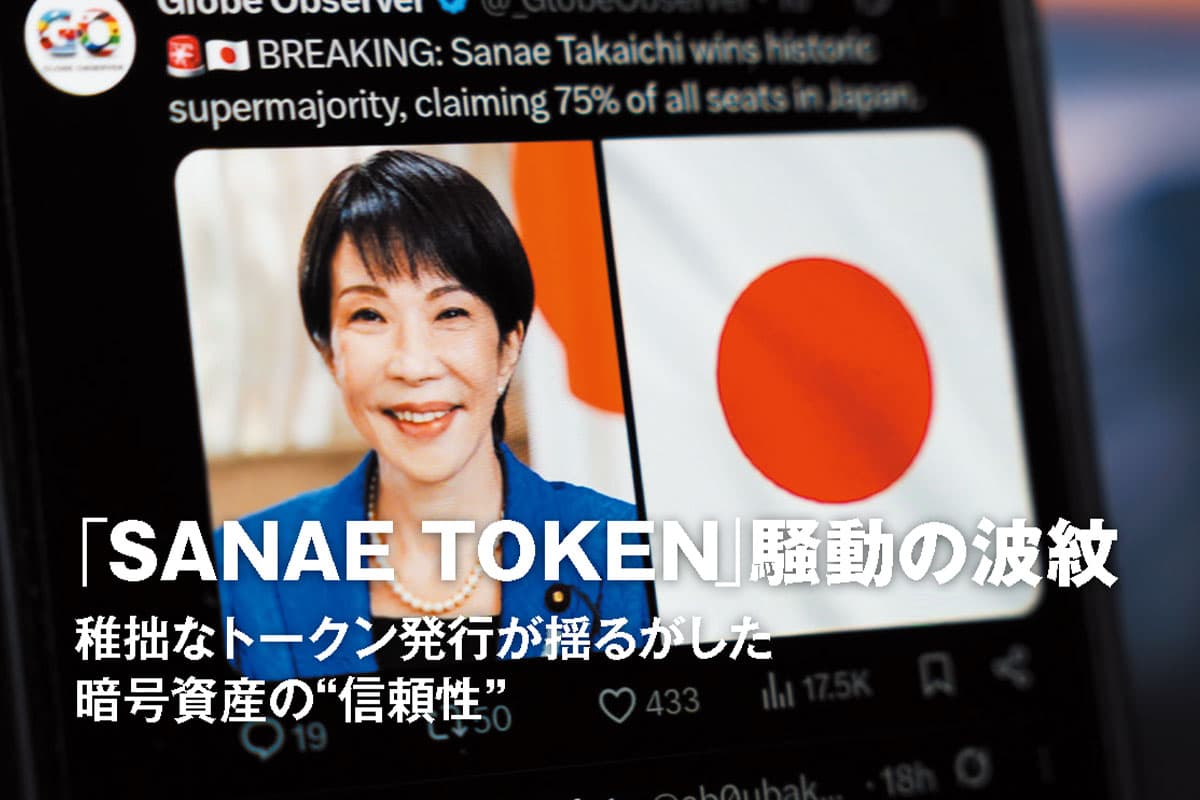
The token, named after the Prime Minister, was issued without her involvement, leading to political misunderstandings and social repercussions.
Despite emphasizing coordination with stakeholders, subsequent denials revealed inconsistencies, exposing the lack of transparency in the management structure.
The series of events undermined the trust built by the industry and could trigger the introduction of new regulations.
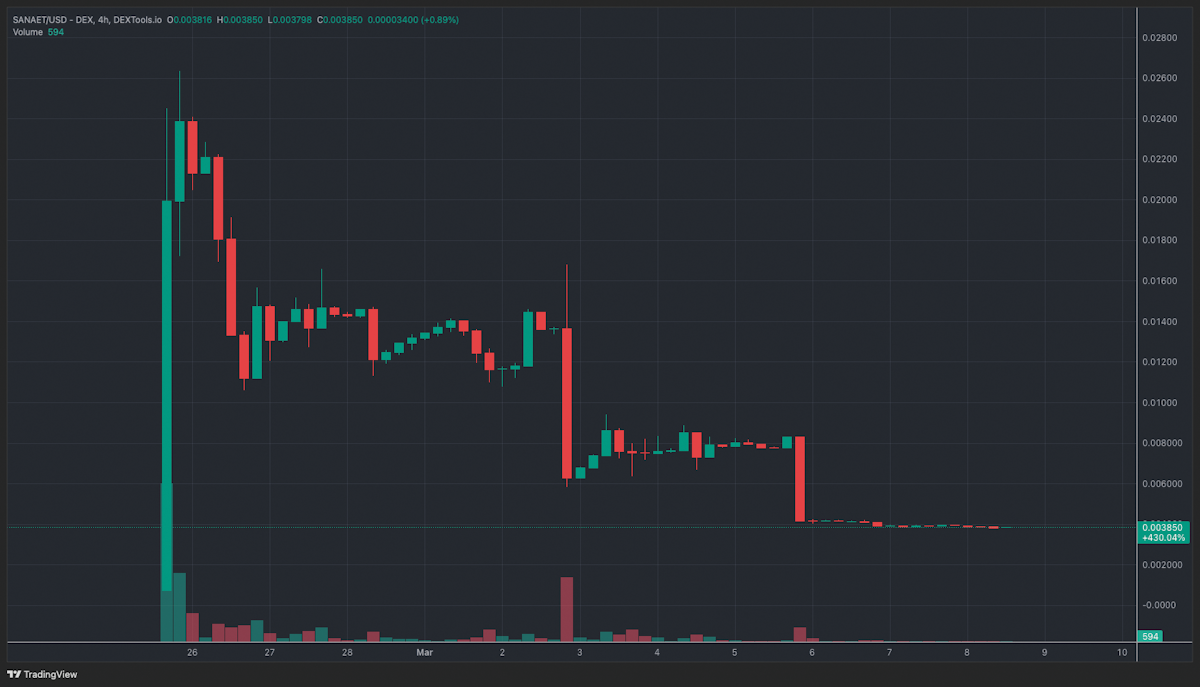
At the end of February, the cryptocurrency 'SANAE TOKEN,' named after Prime Minister Sanae Takaichi, was issued, causing a significant stir, particularly in Japan. Despite having no connection with the Prime Minister or the government, it was issued and disseminated in a way that suggested political ties, leading to a direct denial from Prime Minister Takaichi herself.
The token was issued by NoBorderDAO, which operates the YouTube program 'NoBorder.' It was positioned as an incentive token for a project called 'Japan is Back' and was also introduced on the YouTube program. Initially, the explanation emphasized coordination with supporters of Prime Minister Takaichi, but as the situation escalated, discrepancies in statements from both sides began to emerge. Eventually, even the Financial Services Agency launched an investigation, and the project announced its suspension in less than ten days after the token's issuance.
Nevertheless, the project had set up disclaimers stating, 'This is not affiliated with or endorsed by Mr. Takaichi,' and 'Any resemblance or connection is purely coincidental and intended for humorous purposes,' creating an escape route that raised questions about its consistency, suggesting that its collapse was only a matter of time.