


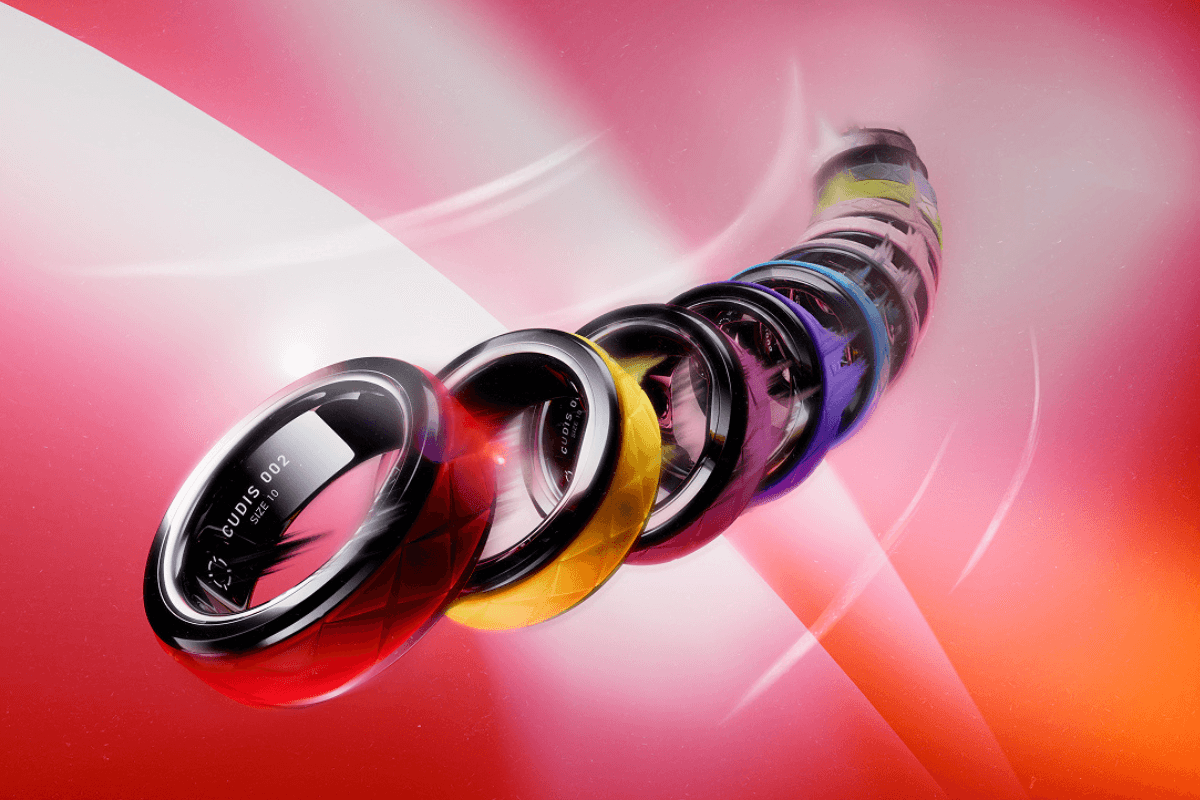
The rise of "smart rings" has been remarkable within the wearable device sector. While major manufacturers and early movers have shaped the market, "CUDIS"—a new-generation AI smart ring that fuses AI technology with token incentives—is garnering significant attention.
This article explores CUDIS—which is launching in earnest in the Japanese market and generating buzz through crowdfunding campaigns and pop-up events—by examining its product capabilities, brand philosophy, and potential within the realms of Web3.0 and DePIN (Decentralized Physical Infrastructure Networks).
Generally, a "smart ring" refers to a ring-shaped device capable of seamlessly tracking health data—such as heart rate, sleep quality, and activity levels—during daily life. In recent years, devices that link with smartphones to enable features like contactless payments and notification alerts have also emerged.
CUDIS is a smart ring designed to facilitate effortless, 24-hour health data management across all aspects of daily life. Since its launch in 2024, it has expanded into 103 countries worldwide, growing into a global wellness brand with over 30,000 ring users and a community of more than 250,000 members.
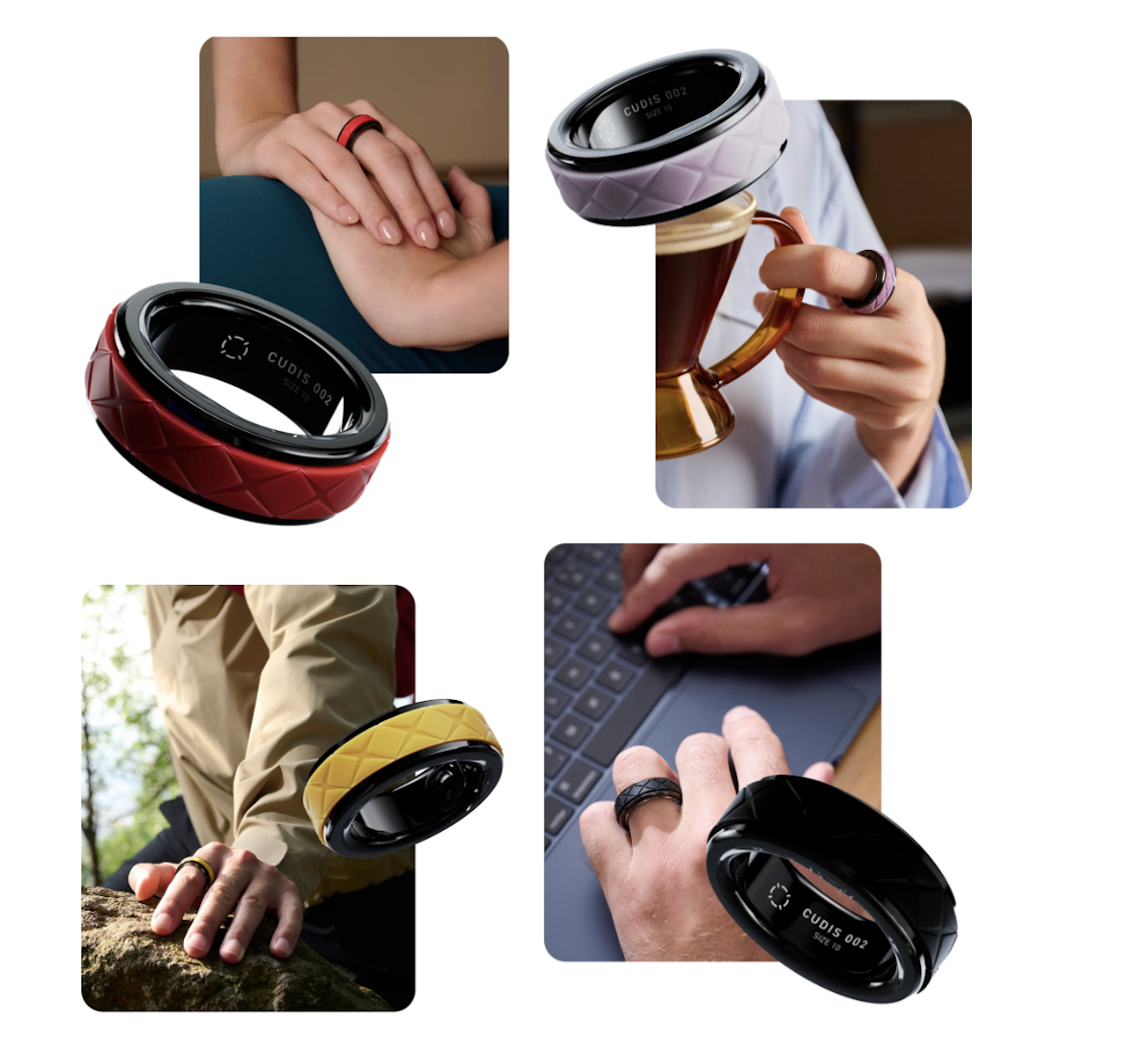
Constructed using materials such as lightweight aerospace-grade titanium, the device achieves an ultra-light weight of approximately 3 grams. Its design ensures it remains unobtrusive and comfortable to wear whether sleeping, exercising, or in professional settings.
The hardware performance is also exceptional; a single full charge allows for up to 10 days of continuous use, and the device utilizes a versatile USB Type-C charging port.
Furthermore, with 5ATM water resistance and dust- and sweat-proof specifications, it is suitable for everyday use around water as well as for tracking data during intense sports activities.
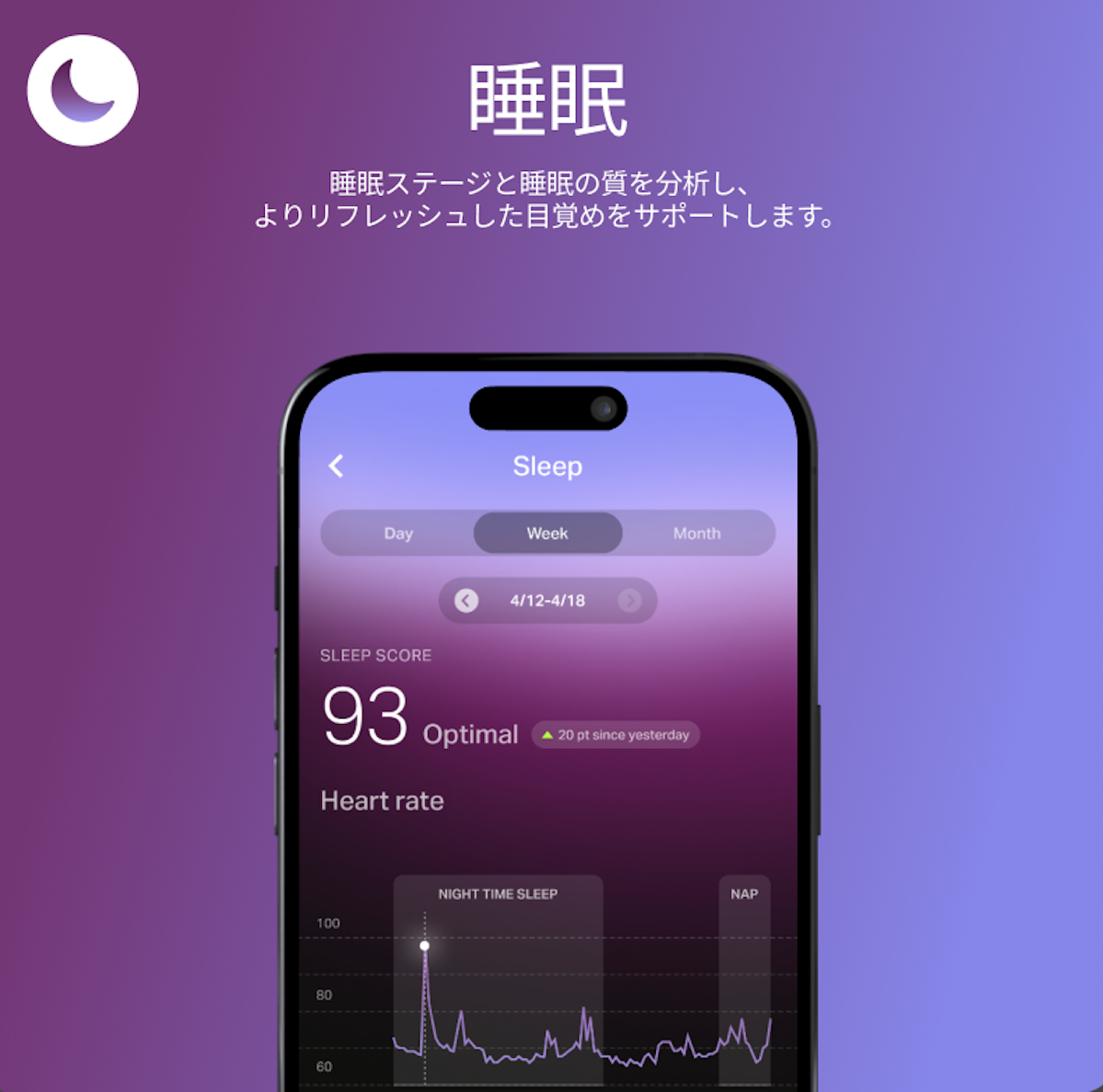
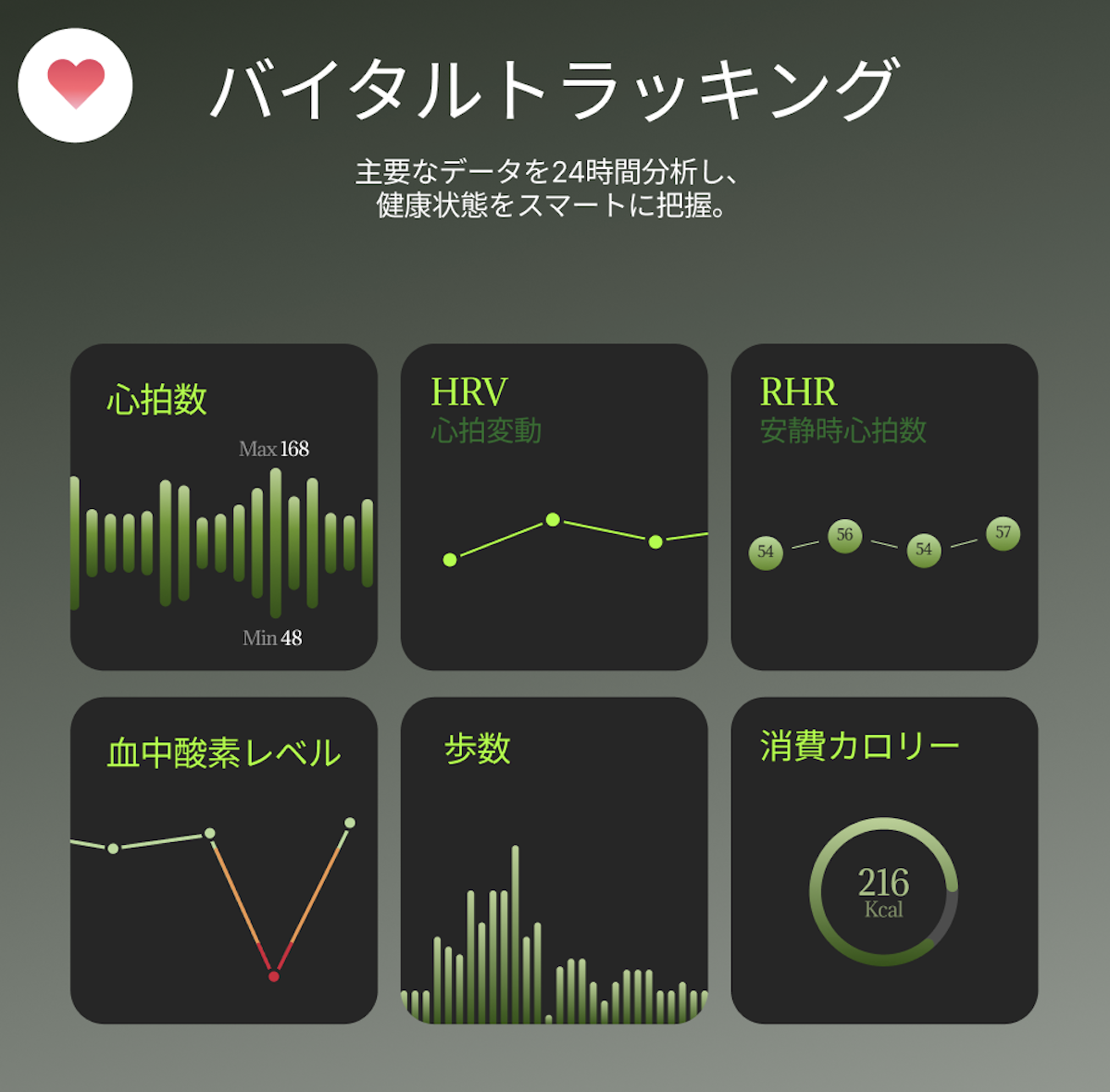
In terms of functionality, it measures and analyzes the following biometric and lifestyle data in real-time, 24 hours a day:
.png?w=1200&h=1796)
Attention has also been paid to style; the "CUDIS Sporty Series," for instance, offers a range of 12 colors, successfully combining high practicality as a wearable device with an attractive design.
The biometric data collected synchronizes seamlessly with a dedicated smartphone app. Beyond merely recording figures, the app offers personalized health support tailored to the user's condition.
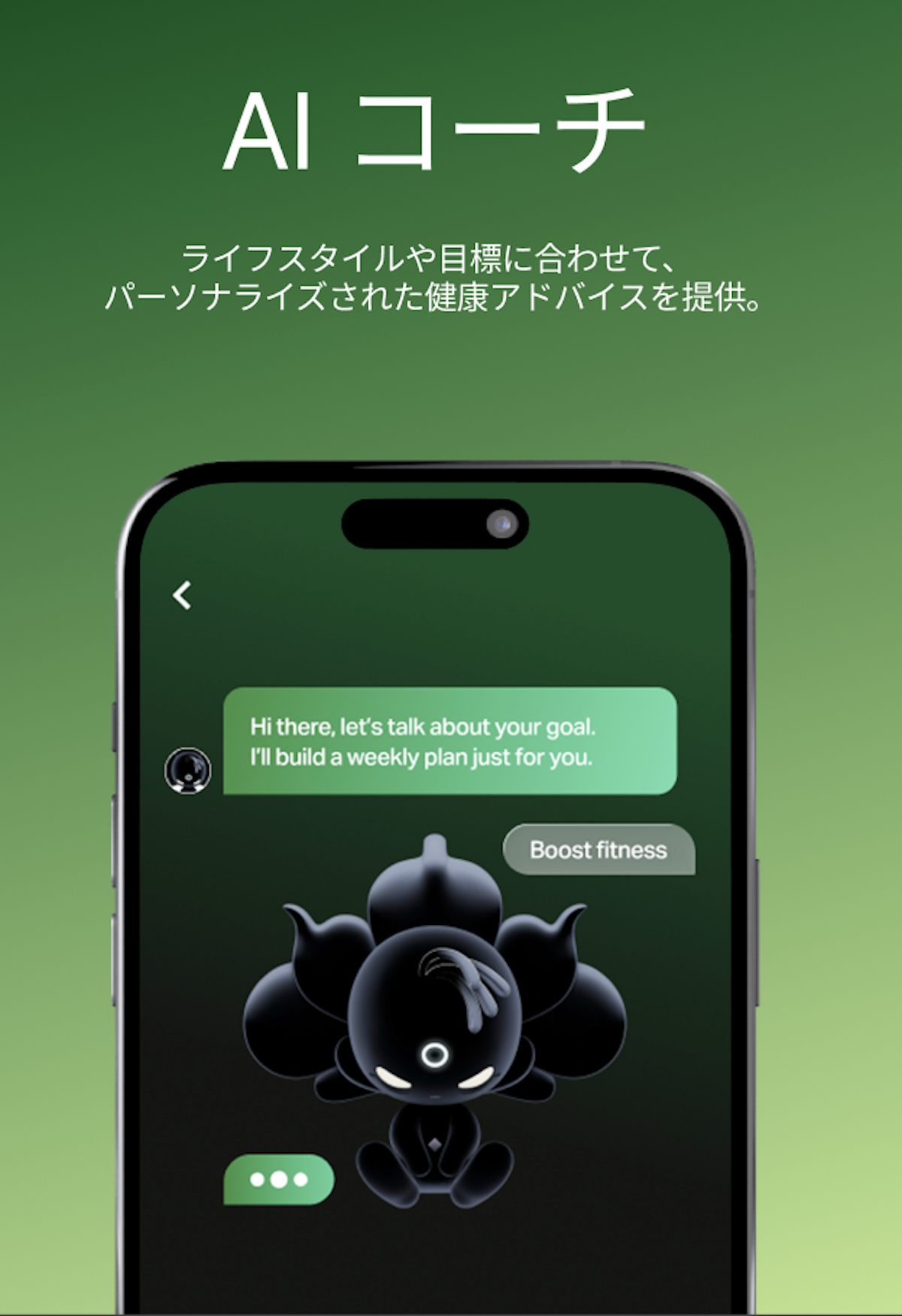
An "AI Coach" feature, powered by generative AI, performs a comprehensive analysis of collected data—such as heart rate variability and sleep quality—to generate real-time advice and practical guidance based on the user's lifestyle and daily fluctuations in physical condition.
A key differentiator for CUDIS is that it requires no additional monthly subscription fees, unlike many existing smart rings that rely on such models. Its design—allowing users to enjoy core health management features and analytical insights continuously after purchase—lowers the cost barrier for users.
CUDIS's greatest innovation lies in its integration of Web3 and DePIN concepts.
With conventional wearable devices, users' biometric and behavioral data were aggregated by centralized platform companies, offering limited opportunities for the value of that data to be returned to the users themselves.
Built on the Solana blockchain, CUDIS realizes the concept of returning data ownership to the user.
Users earn incentivized points by completing daily health quests and providing data with built-in privacy protection. Connecting health actions directly to incentives enables sustainable, long-term motivation for maintaining user health.
For this article, I actually wore the CUDIS ring myself to see what it was like to live with it.
The device was lighter than I had initially imagined, and once I got used to it, I could go about my day without feeling any discomfort.
While using CUDIS requires downloading a dedicated app, the setup process is quick and easy; once you pair the ring with your smartphone, you are ready to go.
CUDIS is primarily designed for wellness management, including tracking activity scores (such as during exercise) and measuring sleep quality and stress levels.
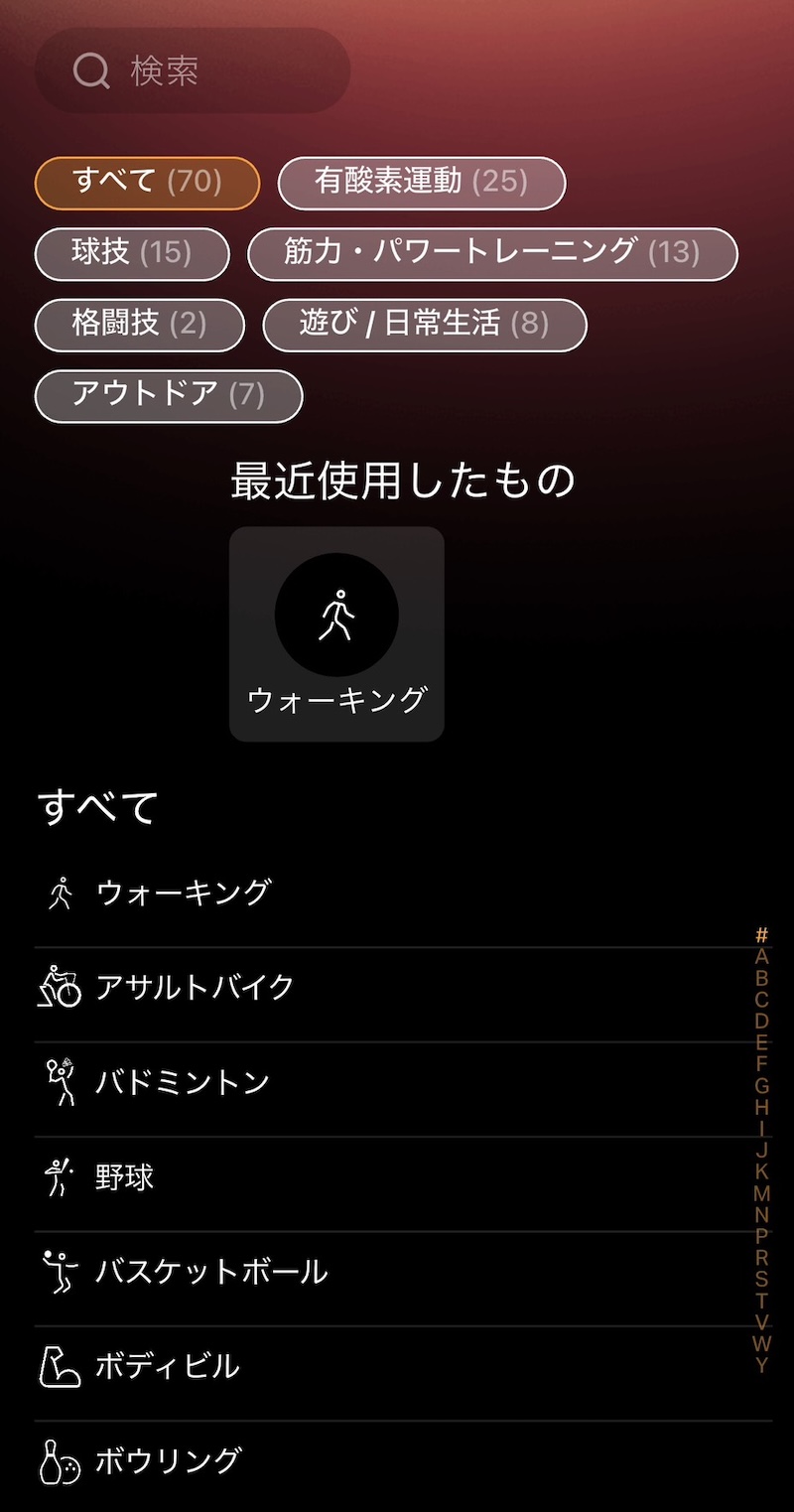
You can track activity scores by selecting specific activities within the app's "Activity" section. Options include categories like walking, gym/fitness, golf, and cycling, with a total of 70 different activities to choose from.
The sleep tracking feature provides a detailed record of sleep quality, scoring your sleep based on metrics such as "light sleep" and "deep sleep." I found it comfortable enough to wear while sleeping without any sense of irritation. The ability to visualize one's sleep patterns is likely to become increasingly important for working professionals in today's society.
I also tested the "AI Coach" feature, a key highlight of CUDIS.
To use this, I simply tapped "AI Coach" in the menu and chatted with the AI to have it customize a fitness plan for me.
The AI suggests daily step counts and activity levels, but the user makes the final decision on the specific goals. This allows you to set realistic, achievable targets that fit your actual lifestyle.
Finally, I explored the Web3.0 aspect by setting up a wallet.
Supported tokens for sending and receiving include Solana (SOL) and USD Coin (USDC). Since the wallet relies on the link between the ring and the app, the risk of a third party stealing your assets due to the loss of just one component is extremely low. Furthermore, if you do lose either the ring or the phone, you can restore your account at any time as long as you have your seed phrase. My experience with CUDIS revealed a level of precision in health data tracking that far exceeded my expectations. Furthermore, battery consumption remained minimal even with near-constant wear over several days; I felt that simply charging the device while bathing—if one felt the need—would be more than sufficient. Above all, I found that it naturally integrated into my daily life as I continued to use it.
As CUDIS accelerates its global expansion, it is also ramping up its efforts in the Japanese market.
The company has provided opportunities for hands-on experiences through initiatives such as a campaign on the Japanese crowdfunding platform "GREEN FUNDING" and a limited-time pop-up event at "au Style SHINJUKU" in Tokyo.
On the global stage, CUDIS has secured funding from investors including Draper Associates and is advancing partnerships with sports organizations while building a user community numbering in the tens of thousands.
By aiming to combine the high quality of a practical healthcare gadget with a new ecosystem design powered by Web3.0, CUDIS is poised to attract increasing attention in the wearable technology market.
Image: Screenshot from the author's smartphone; provided by CUDIS.

