


![[Tech Classroom Vol. 2] Rain Tree's Maki Hashimoto Learns About NFTs and Proof of Authenticity](/_next/image?url=https%3A%2F%2Fimages.microcms-assets.io%2Fassets%2F7819a9cf917e4bcd862bfa2ff5f14d24%2Fb8b93567cc1445f0b68d4866d689d95e%2FCoverHM.jpg&w=3840&q=75)
Last time, Rain Tree's Maki Hashimoto (hereafter Hashimoto) ended with a question about NFTs. Upon learning that an NFT framework would be used for bidding on her original oil painting, Noriaki Yagi, Editor-in-Chief of Iolite (hereafter Yagi), explained that NFTs create a transparent record of who placed a bid and when.
So, what are the actual benefits of keeping such a record?
The theme of Part 2 is "NFT Basics." The conversation began with "proof of authenticity."
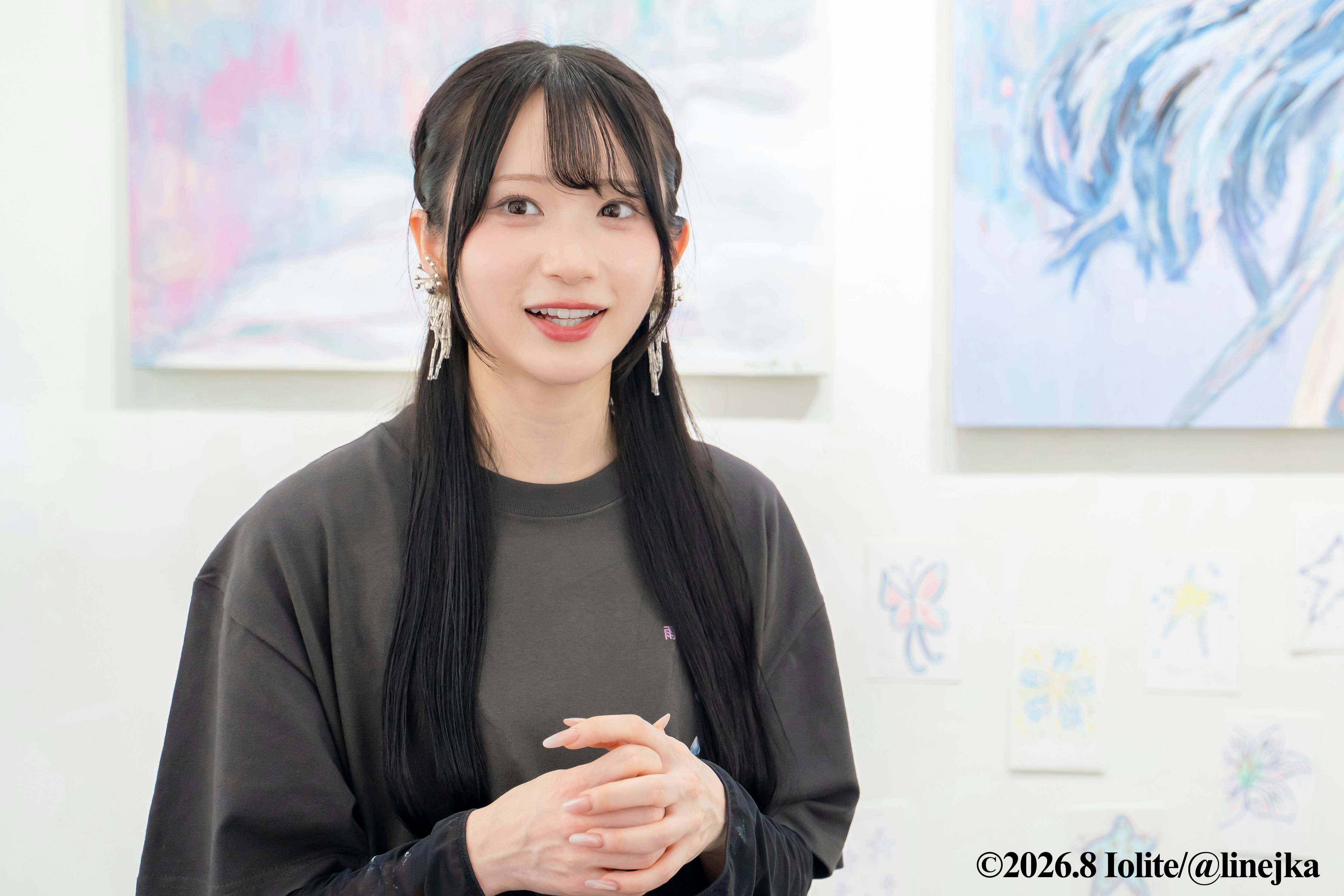
Hashimoto: Last time, you mentioned that NFTs create permanent records. What would you say is the biggest advantage of keeping those records?
Yagi: To answer your question with a question—what do you think makes NFTs so appealing, Hashimoto-san?
Hashimoto: I'd say it's being able to attach real value to digital files. Even if digital content is easily copied, you can prove, "This is the original." It feels like having a certificate of authenticity, similar to high-end luxury goods.
Yagi: That’s a common perspective, but I want to clarify one precise detail. Strictly speaking, what an NFT proves is the record of who issued the data and who holds it right now.
Hashimoto: So it makes it crystal clear who currently holds it. People often call it "proof of ownership," but that’s not quite the same as transferring legal rights, is it?
Yagi: You’ve really done your homework! That’s exactly right. Whether legal ownership or copyright transfers alongside the NFT is a separate issue entirely. The issuer needs to establish those terms in a contract or agreement.
Hashimoto: I see, so legal rights aren't automatically bundled with the NFT.
Yagi: Exactly. In fact, only a tiny fraction of NFTs actually tie in legal rights. However, having a permanent record of who created it, whose hands it passed through, and who holds it now—that alone allows us to verify its authenticity. That’s the real breakthrough.
Hashimoto: That’s why having a tamper-proof record is so essential.
Yagi: Spot on. Because that record exists, we can say the current holder is the genuine owner. That is the entire foundation of NFTs.
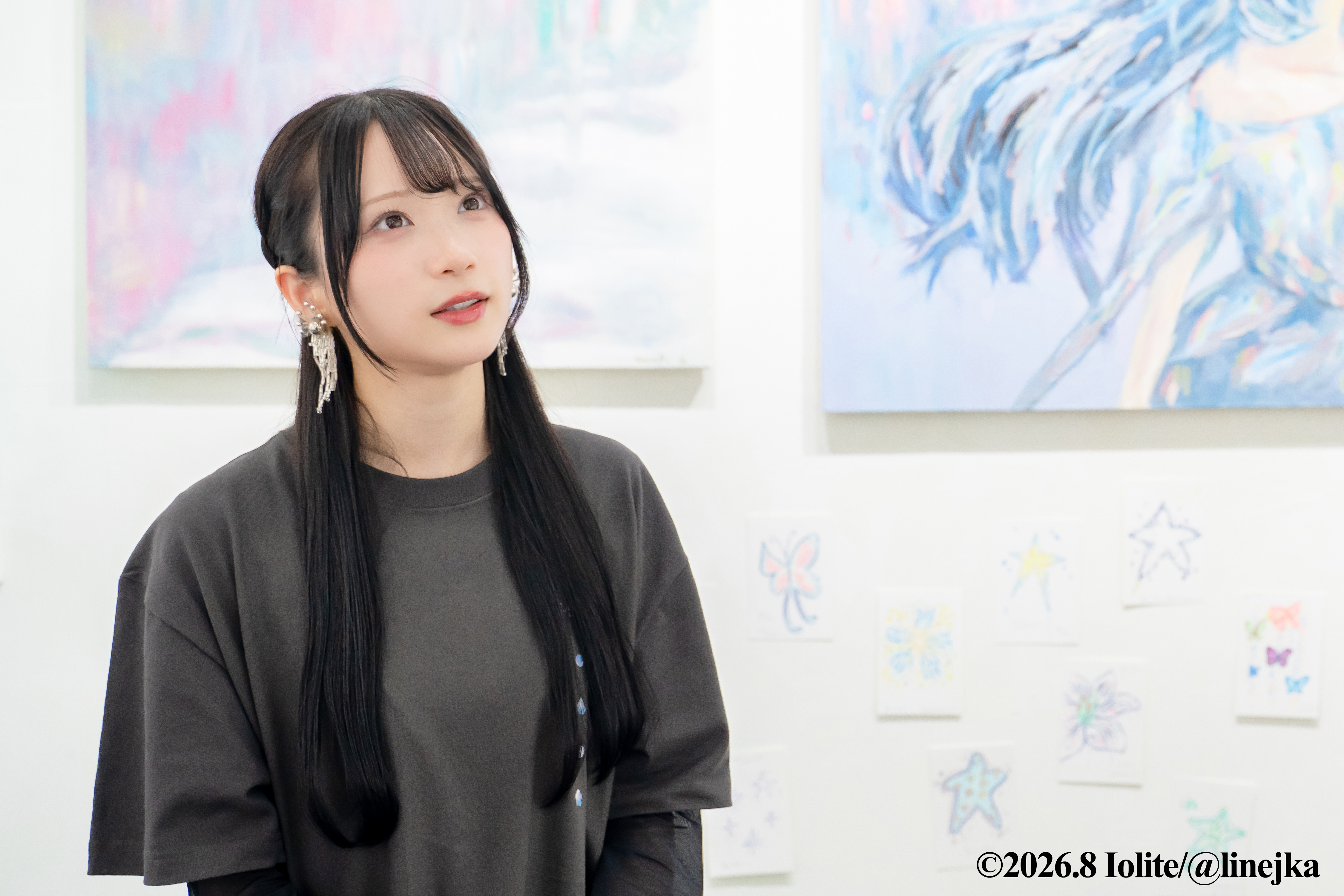
Hashimoto: How long has this technology been around? I feel like I’ve only started hearing the term "NFT" over the last few years.
Yagi: As a technology, it existed a bit before that, but it really gained widespread public attention around 2021. There was a massive boom back then.
Hashimoto: 2021... so it's been around for quite a while. Was there a specific trigger that started it all?
Yagi: That was when an NFT artwork was sold at auction for 7.5 billion yen (approx. $69 million).
Hashimoto: 7.5 billion yen!? Just for the NFT itself? ...That’s an insane amount of money. But why did it start with art? It feels like something that could be used in many other fields too.
Yagi: That brings us right back to the copy problem you mentioned earlier. Because digital data can be copied endlessly, it was hard to put a price tag on it as a work of art.
Hashimoto: Ah, so that really was the key. Since digital files are so easily copied, it was difficult for artists to protect the value of their own work.
Yagi: Exactly. Then NFTs came along and made it possible to prove, "This specific file is the genuine original." A tool that offered the perfect solution arrived right where the need was greatest. That's why it took off in the art world first.
Yagi: By the way, Hashimoto-san, what do you think is the primary use case for NFTs today?
Hashimoto: Hmm, let me think... When I first learned about NFTs, I was told they were used to preserve the value of someone's work, even in digital form. Is it still mostly art today? Or have brand-new use cases taken over?
Yagi: You got it right. According to market research, roughly 40 to 50 percent of NFTs are used in the context of art. Your impression—shaped by your initial introduction through art—aligns perfectly with current market reality.
Hashimoto: That makes me happy! That gives me a little boost of confidence (laughs). I'm excited to see how NFTs get applied across even more fields in the future.
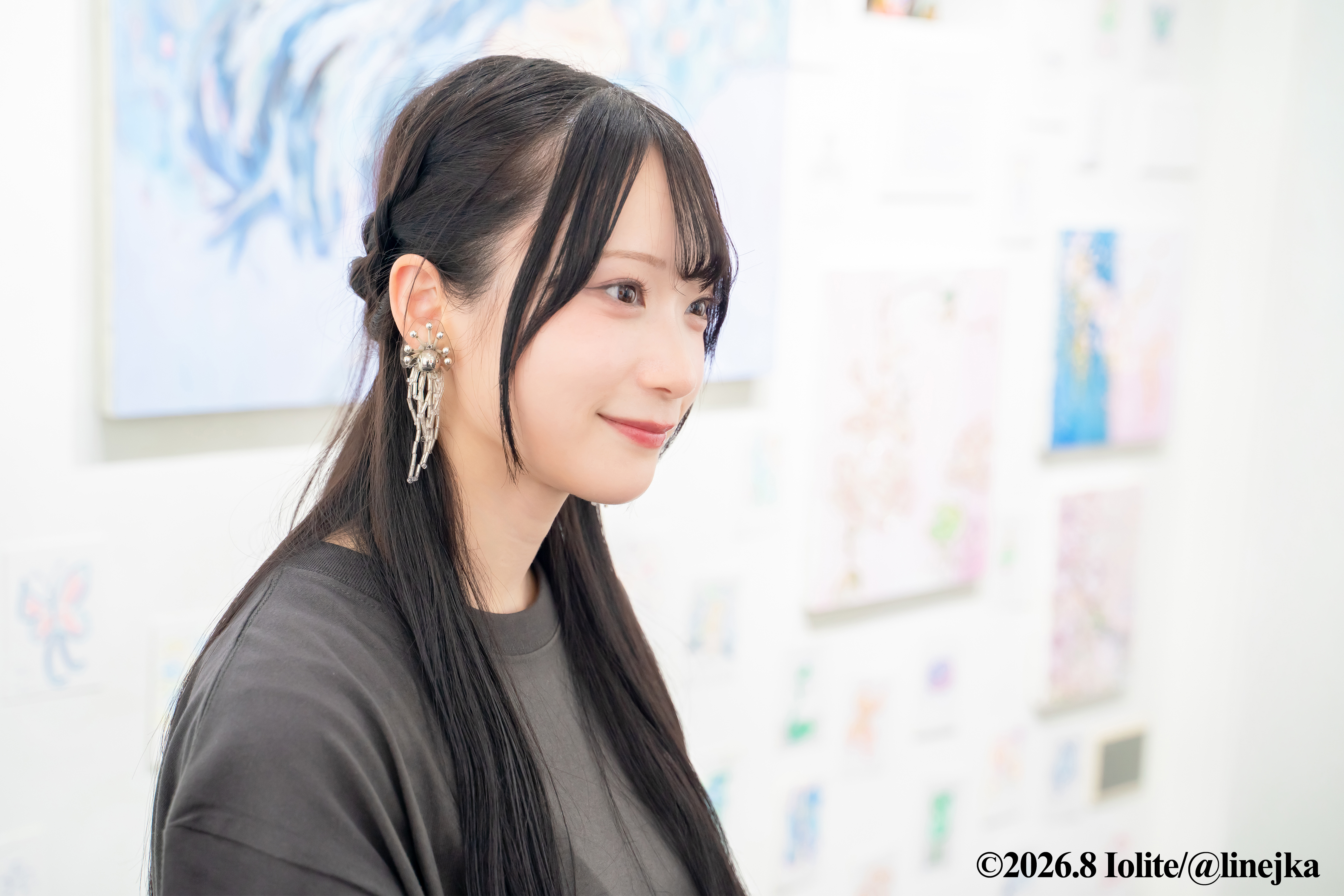
Hashimoto: Once you can prove authenticity, what else becomes possible?
Yagi: One fascinating concept is "fractionalization"—where multiple people can split and share ownership of a single artwork.
Hashimoto: Oh, wow. Is that really possible?
Yagi: It only works because of those reliable records. Since you can accurately track who owns how much of a share, there's no confusion, even when it's divided up.
Hashimoto: Ah, that makes sense.
Yagi: To use a somewhat blunt example—say you become wildly successful as an artist, Hashimoto-san, and one of your paintings becomes worth 100 million yen.
Hashimoto: (laughs)
Yagi: At that point, almost nobody can afford it individually. But if you want to share it with the fans who support you, fractionalizing it lets them co-own it together, even if they couldn't buy it on their own.
Hashimoto: So the ownership is divided among several people?
Yagi: You can set up systems like that, yes. Of course, as I mentioned earlier, how legal rights are handled still needs to be clearly defined. To take an even bigger example—imagine someone asking if you’d like to invest in an entire major theme park resort. Normally, that’s impossible, right?
Hashimoto: Impossible! (laughs)
Yagi: But what if someone says, "I don't have that kind of money, but I love this place so much that I'd love to own even a 1/1,000th share of the site"? Blockchain makes that once-impossible dream achievable in a way that differs from traditional stock ownership.
Hashimoto: That’s incredible. It lets a group of people achieve or acquire things through smaller shares that would be impossible for an individual. I had no idea.
Yagi: Dividing things that were originally indivisible lowers the barrier to entry. I believe we’ll see more of this trend moving forward.
Hashimoto: It really expands our options for so many different things, all thanks to NFTs.
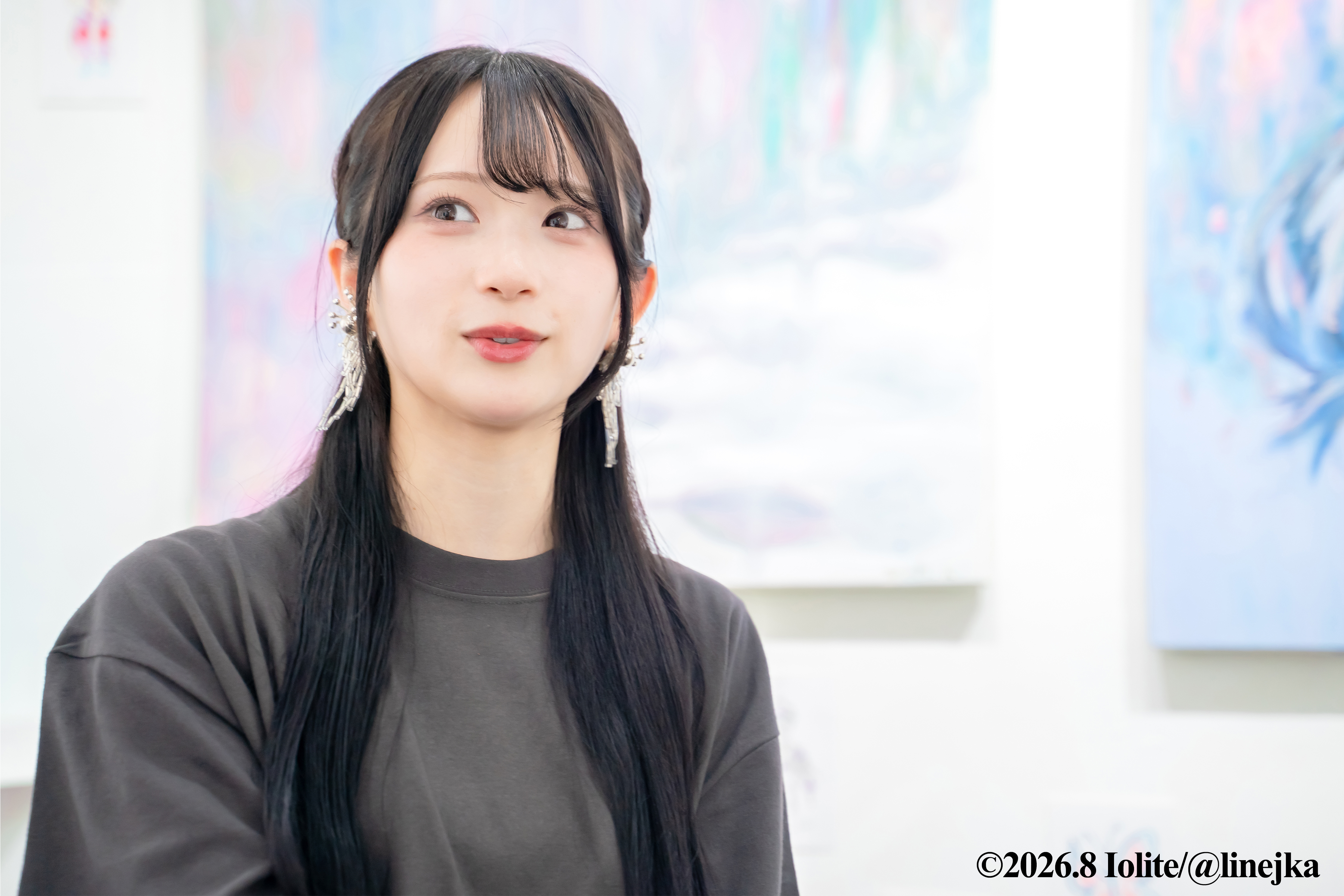
Hashimoto: There’s actually another reason why I was curious about NFTs in the first place. Crypto has so many intimidating terms like "wallets" and "blockchains," but when I thought about what feels most accessible to ordinary people, NFTs came to mind.
Yagi: How so?
Hashimoto: For instance, they're already being used at idol handshake events and shows. Sometimes when you buy a ticket, you get a bonus NFT after the event. Out of all crypto-related tech, NFTs feel like the one concept that has actually reached the general public.
Yagi: That’s precisely the point. Most people attending a handshake event probably don't understand the complex mechanics behind the NFT they receive afterward.
Hashimoto: That's true. A lot of fans probably just think, "I'm not really sure what this is, but hey, I got an exclusive digital photo!"
Yagi: But that, too, is a form of proof of authenticity. It creates a permanent record verifying that you were genuinely there on that day, at that venue.
Hashimoto: Ah... I see. So it’s not just a digital freebie—it’s proof that your memory is authentic.
Yagi: Exactly. That’s why its value comes through even if you don't understand the tech behind it. This is what I meant last time when I said, "You don't need to memorize every technical detail."
Hashimoto: It all connects now! Fans are already receiving NFTs and benefiting from them without even realizing it. Being able to use something naturally without having to think about the underlying system is pretty amazing.
Yagi: When you think about it that way, this upcoming auction ties everything together perfectly.
Hashimoto: Like you explained earlier, it leaves a tamper-proof record of who placed a bid and when, right?
Yagi: Exactly. And once it's sold, it serves as proof that "you are definitely the person who won this piece." Bidding transparency and proof of purchase—NFTs handle both.
Hashimoto: I see. So instead of turning my physical painting itself into an NFT, it’s being used like a certificate proving the original piece you bought is undoubtedly authentic. That gives buyers real peace of mind.
Yagi: Precisely.
Hashimoto: ...Thinking about it that way, it would be fun to turn actual digital artwork I create into NFTs someday. Right now, I've only ever painted with traditional media, but I'm pretty interested in digital art too.
Yagi: I would love to see you try that.
Hashimoto: With digital, you don't need to carry a canvas around—you can draw anywhere as long as you have a tablet. Plus, there are so many brush types, and working with layers sounds like fun. I feel like trying it might unlock a completely new style of painting for me.
Yagi: Digital has its own unique forms of expression, like easily adding effects that are impossible with traditional media. Turning artwork created that way into an NFT would be a very natural progression.
Hashimoto: For this exhibition, all the pieces are one-of-a-kind traditional works on canvas, but I'd love to try a digital approach someday. It really expands my creative range, and I'm getting excited!
Yagi: I look forward to seeing it.
Wallets, blockchains, gas fees. A lesson that began with three unfamiliar terms had now reached the concept of "proof of authenticity." And now, her own artwork steps onto that very stage.
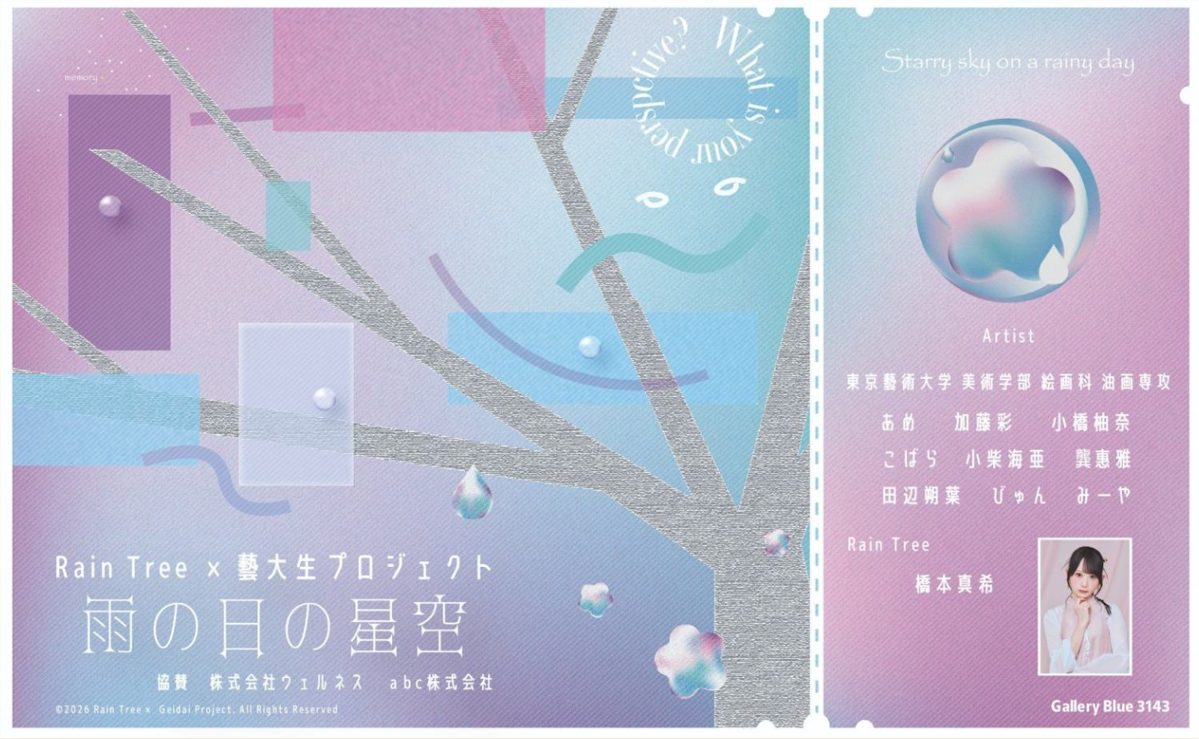
"Starry Sky on a Rainy Day" A Joint Exhibition by Maki Hashimoto (Rain Tree) × 9 Tokyo University of the Arts Students
Special Charity Auction An auction will be held during the event for an original F30 oil painting (910 × 727 mm) created specifically for this exhibition by Maki Hashimoto. Bidding takes place via the NFT marketplace "HEXA," and the winning bidder will receive the physical artwork.
Links: Official Website Auction Page

Born April 30, 1998, in Saitama Prefecture. After graduating from beauty school, she worked as a beauty advisor (BA) in cosmetics retail while sharing makeup techniques on social media. As the oldest member of Rain Tree, she helps lead the group with strong professionalism backed by real-world work experience and a warm, supportive presence.
Photo: Iolite Editorial Department(@linejka)
Image courtesy of: Overs Co., Ltd.
「Rain Tree」Official site:https://rt-official.jp/
"Rain Tree" Official X:https://x.com/RainTree_RT
"CROSS FM" Show Official X:https://x.com/rt_crossfm
Technology Classroom Vol. 1: Maki Hashimoto of Rain Tree Takes On the Basics of Web 3.0

