


1.On-chain finance
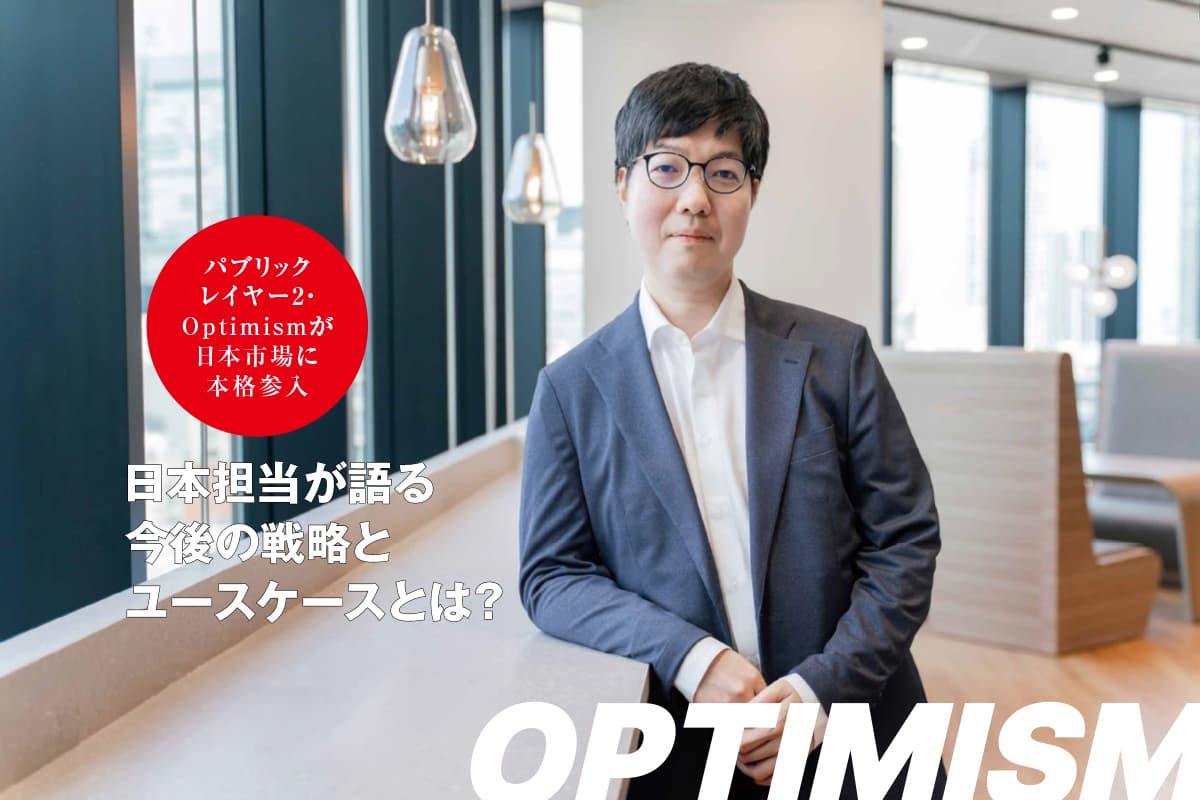
With regulatory frameworks advancing in Japan, moving financial assets and payments onto blockchain — "on-chain-ification" — has entered its implementation phase. In response, the public Layer 2 network Optimism is strengthening its presence in the country, building on rollouts already underway with Soneium, Jipangcoin, and others.
2.High flexibility and OP Stack
Optimism's biggest strength is the flexibility to choose between using an existing chain or building a dedicated one on its OP Stack development framework. It preserves EVM compatibility and connectivity to Ethereum, helping companies build financial infrastructure that balances manageability with scalability.
3.Problem-solving-focused implementation support
Compared with the US and Europe, Japan remains largely in a verification phase, so the emphasis is placed less on the technology adoption itself and more on clearly defining the problem that needs solving. Optimism works with companies from the earliest conceptual stages through regulatory compliance and operational design, aiming to expand the number of use cases that actually go live in production in Japan.
As regulatory frameworks around digital assets advance, Japan's market is transitioning to the implementation phase of financial 'on-chainification.' We spoke with Juntaro Iwase, Japan representative of the much-discussed public Layer 2 'Optimism,' about their future domestic strategies and the strengths of their network.
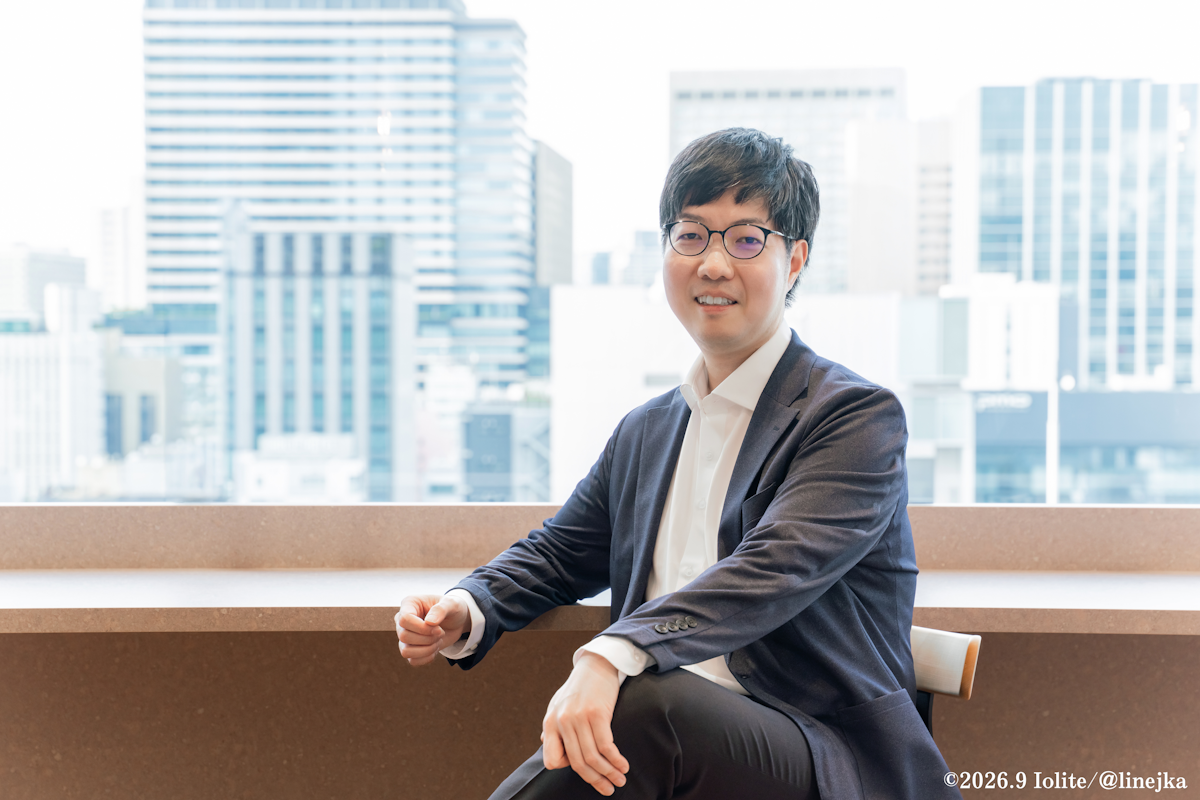
──We understand that Optimism is strengthening its focus on the Japanese market with you as the point of contact. Why did you decide to expand into Japan at this time?
Juntaro Iwase (hereafter, Iwase): The backdrop to this decision is the global progress in regulatory frameworks surrounding digital assets, shifting the theme of financial on-chainification from concept to implementation. While progress varies by country and region, Japan is also advancing its regulatory framework for stablecoins and discussions under the Financial Instruments and Exchange Act regarding cryptocurrencies. These discussions are becoming more concrete among the Financial Services Agency, financial institutions, and business corporations.
The focus of consultations has shifted from PoC and information gathering to how to actually integrate custody and wallets, which business models to choose, and which blockchain to support them. The optimal configuration varies depending on the use case. Some cases prioritize compatibility with existing workflows of financial institutions and opt for private or consortium chains, while others consider future asset distribution and retail expansion, exploring EVM (Ethereum Virtual Machine) strategies that connect to Ethereum's liquidity and developer ecosystem. Against this backdrop, our global team has been visiting Japan continuously since the end of last year, engaging in discussions.
In fact, in Japan, Sony Block Solutions Labs' 'Soneium' has adopted the OP Stack, and Mitsui & Co. Digital Commodities' 'Zipang Coin (ZPG)' is being deployed on the OP Mainnet, indicating that real-world applications have already begun. To continuously support these initiatives in Japanese and connect corporate requirements to our global product and technology teams, we needed a dedicated contact point. Therefore, we have strengthened our presence in the Japanese market, and I have taken on this role.
──What specific consultations do you receive?
Iwase: Consultations range widely from the stage where business cases are not yet solidified to the design phase just before implementation. For example, whether to use the existing Layer 2 OP Mainnet or build a dedicated chain, and what criteria should be used to compare chains. In cases where a permissionless environment is adopted, there are consultations on how to design privacy, KYC/AML, transaction monitoring, and operational responsibilities.
Many Japanese businesses have experience in building products related to private or consortium chains and understand the value of their manageability. However, when considering future connections to external liquidity, wallets, developers, and other on-chain assets, a closed environment has its limitations in terms of scalability. Layer 2 and the OP Stack offer options to maintain control according to use while leaving room for connection to the EVM ecosystem.
The implementation of on-chain finance involves many stakeholders, including financial institutions, business corporations, system integrators, custodians, and wallet providers. My role is to connect discussions on technology, regulation, business models, and operations into one, creating a common understanding among stakeholders and accompanying them through to implementation.
──Could you tell us why you joined OP Labs and became the Japan representative?
Iwase: I originally worked at Facebook (now Meta) and spent 12 years in Singapore before returning to Tokyo in April 2026. I had been involved with cryptocurrencies since around 2017, but in 2021, I noticed a shift of talent and capital towards Web3.0, which I felt was driven by a structural change beyond mere speculation. Having witnessed the transformation of mobile and social into social infrastructure, I believed that on-chain technology could be the next turning point for finance and the internet, leading me to fully enter this field in 2022. Since then, I have been involved in developing consumer use cases and growing the ecosystem.
As the market shifts towards financial institutions and corporations, I, too, have been active in the Web3.0 ecosystem and strongly believe in the future of permissionless networks. However, I also felt a strong sense of challenge in that ideals and technology alone do not advance social implementation.
It was during this time that I had the opportunity to speak with OP Labs. They possess an open technological philosophy while realistically addressing corporate requirements and operational deployment. I was drawn to their balance of philosophy and implementation, the depth of use cases operating in real-world environments, and the excellence of their team, which led me to join.
Currently, I focus mainly on Japan while also covering Southeast Asia. My role involves bridging the needs of each market to the global team, supporting corporate implementation considerations and partnerships.
──What demand do you see for Optimism in the Japanese market? Also, could you provide examples of use cases suitable for the Japanese market?
Iwase: Representative examples operating in Japan include Sony Block Solutions Labs' 'Soneium' and Mitsui & Co. Digital Commodities' 'Zipang Coin (ZPG)'.
Soneium is a public Layer 2 adopting the OP Stack, operating as a foundation for a wide range of use cases, including entertainment and creator domains. ZPG, a digital asset backed by physical assets like gold, has been deployed on a private chain but adopted OP Mainnet as the first step in its public chain deployment. This is considered a good example of utilizing existing Layer 2 from an asset distribution perspective.
There are two particular potentials in the Japanese market. One is circulating stablecoins and tokenized deposits, securities, and commodities in a permissionless environment. The other is building dedicated environments that leverage public chain connectivity while controlling participants, transactions, and privacy according to corporate requirements. It's not a binary choice between private or public; rather, the design of what to control and what to open is crucial.
On the OP Mainnet, tokenized funds like BlackRock's 'BUIDL' are already being deployed, with a system in place for qualified investors to access after KYC. The connectivity of public chains and participant management and asset design in compliance with regulations can coexist. This aspect is considered an important reference for Japanese financial institutions when considering future configurations.
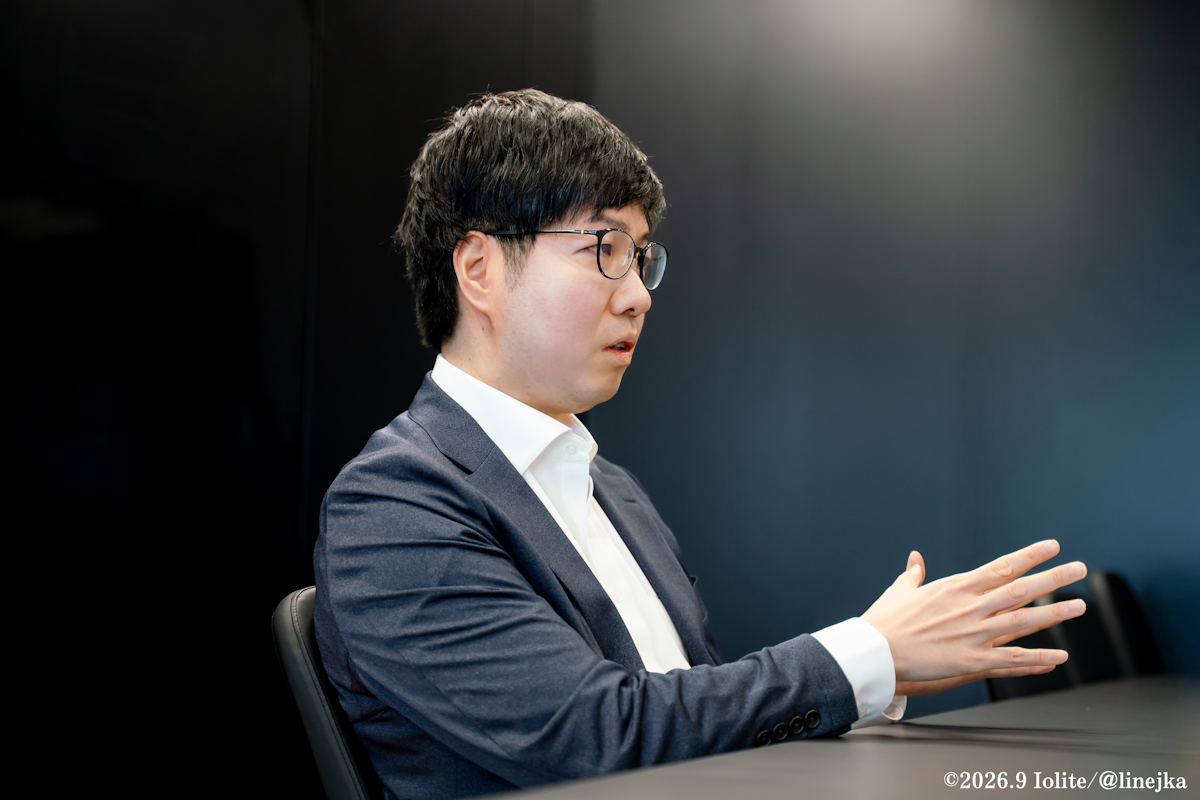
── Could you please explain the features of Optimism and its strengths compared to other networks?
Iwase: The greatest strength lies in its flexibility. Users can choose between utilizing the existing public Layer 2, OP Mainnet, or building a Layer 2 tailored to their needs using the open-source OP Stack, all on the same technological foundation.
Companies have different starting points. Some may want to directly connect to the Ethereum ecosystem on an existing public network, while others may wish to design a more specialized environment to meet privacy, compliance, and operational requirements.
Compared to building a unique Layer 1 from scratch, the OP Stack offers EVM compatibility, connectivity to Ethereum, and ease of leveraging the existing developer ecosystem. Additionally, since it is already in production use across a wide ecosystem, it provides advantages in terms of security, upgrades, integration with wallets and peripheral services, and developer usability. Furthermore, through OP Enterprise, we can support companies from the design phase to post-production operations, which is a significant differentiator.
── What areas and initiatives is Optimism currently focusing on?
Iwase: We are particularly focusing on areas where the value of programmable financial infrastructure can be leveraged, such as financial institutions, payment providers, fintech, and cryptocurrency exchanges. Globally, there is a movement among traditional finance and Web3.0 players to offer a unified digital experience for payments, trading, and asset management available 24/7. This is akin to the neo-bank model.
In this trend, more companies are adopting dedicated Layer 2 solutions to connect their customer base with on-chain services. For example, South Korea's Upbit with 'Giwa' and Europe's Bitpanda with 'Vision Chain' have announced the adoption of the OP Stack.
There are two main objectives. One is to use the chain as an entry point to connect traditional finance customers and products to the on-chain world. The other is for cryptocurrency exchanges to extend their customer experience into the public chain domain. While the latter is more advanced globally, in Japan, we see demand primarily as a foundation for financial institutions and large enterprises to safely connect to public chains.
In Japan, private chains and consortium chains have shown a certain degree of market fit. We aim to support the connection to public chains, external liquidity, and expansion into a broader ecosystem beyond that. We are already in discussions with domestic financial institutions. However, it is also true that many companies are still struggling to formulate business cases. Simultaneously, themes such as permissioned DeFi and AI agents are expected to become more active in the future.
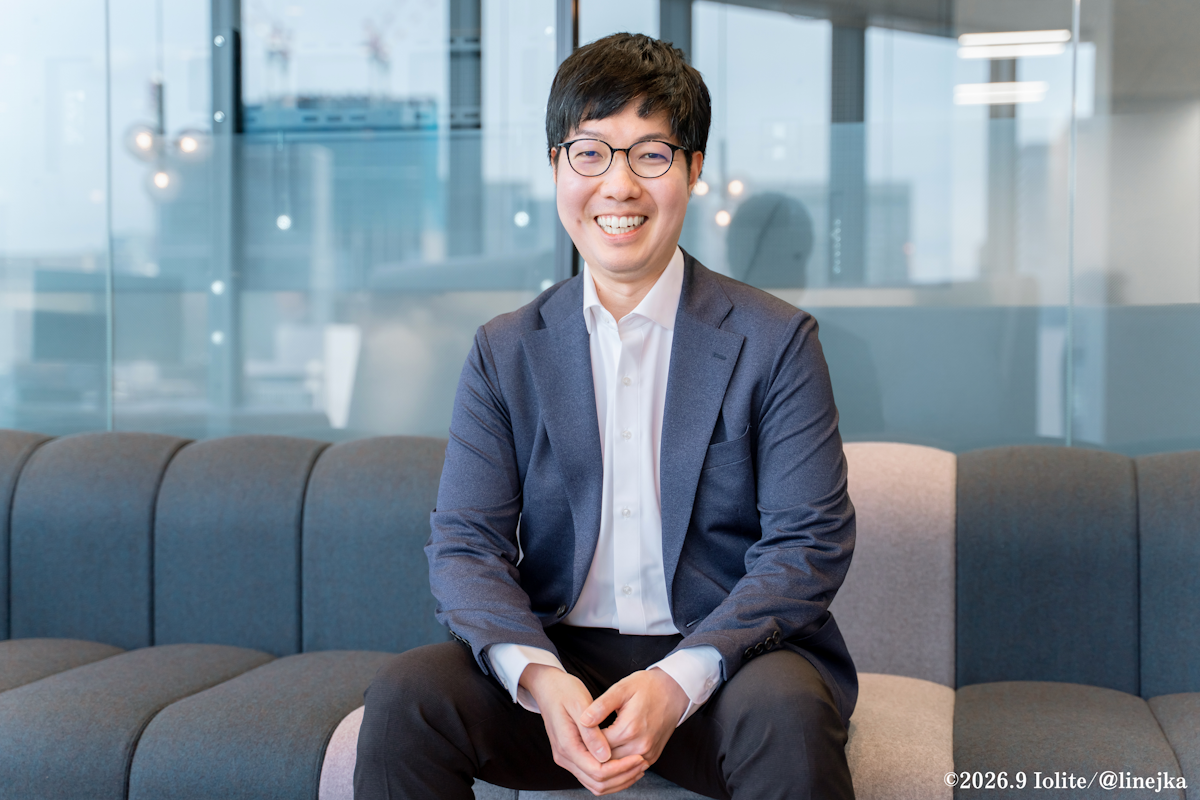
──What are your thoughts on the barriers and differences in on-chain adoption between the West and Japan?
Iwase: Rather than simply comparing the West and Japan, it's important to recognize that the purpose of 'on-chain adoption' varies by player. For issuers, it's about expanding asset distribution and liquidity; for banks, it's about improving settlement efficiency and maintaining relationships with existing customers; for infrastructure providers, it's about creating new revenue opportunities.
In the West, there are more cases where products and customers are defined first, and then the necessary infrastructure is worked out backwards. In Japan, however, there is a greater accumulation of technical verification and PoC, and the next step is to define the revenue model, regulatory compliance, and operational responsibilities as a whole.
The key is not to make using a specific chain the goal itself. The starting point should be, 'What problem do we want to solve through on-chain adoption?' For example, do we want to expand asset distribution, enable 24/7 settlements, improve customer experience, or connect to a broader ecosystem? Once the purpose is clear, an appropriate technology stack can be designed to match it. Therefore, we aim to support the integration of business, regulation, and technology from the early stages of planning, not after the architecture is finalized, and translate these into implementation plans that look towards full-scale operation.
──It's a question without a clear answer, but who do you think on-chain adoption is for?
Iwase: It's a challenging question, but I believe it's for both the financial institutions and companies that support existing financial infrastructure and the next generation of users beyond them. For financial institutions, payment service providers, fintech, and enterprises, the goal of on-chain adoption is not to introduce new technology for its own sake. It's a means to update payments, asset issuance, distribution, and user experience to a more programmable, easily interconnected, and 24/7 operational platform. This is crucial not only for startups but also for established financial institutions that have built trust over the years to connect their businesses to a more digital and open financial system.
On the other hand, future users may not even be aware of blockchain. They will naturally expect to hold and transfer assets, access services instantly, and have finance seamlessly integrated into their everyday digital experiences. The growth of Robinhood and Revolut is an example of finance being integrated into daily digital experiences.
While the themes that attract attention may change over time, such as permissioned networks, tokenization of real assets, and AI agent transactions, the essence is to create a financial infrastructure that institutions and companies can trust and users can access naturally.
──Could you tell us about your future plans and focus points considering the Japanese market expansion?
Iwase: We aim to increase dialogue with a wide range of ecosystem participants, including financial institutions, payment service providers, cryptocurrency exchanges, system integrators, and developers.
The focus is to work with financial institutions and enterprises to clarify 'what to put on-chain,' and then consider whether to utilize existing Layer 2 solutions, build new chains, and how to design custody, wallets, privacy, compliance, and operations.
Even if the business case is not yet solidified or it's unclear whether a private or public approach is appropriate, feel free to reach out from the conceptual stage of on-chain adoption. My role is to increase use cases that operate in Japan.
https://optimism.io/ja/learn-more

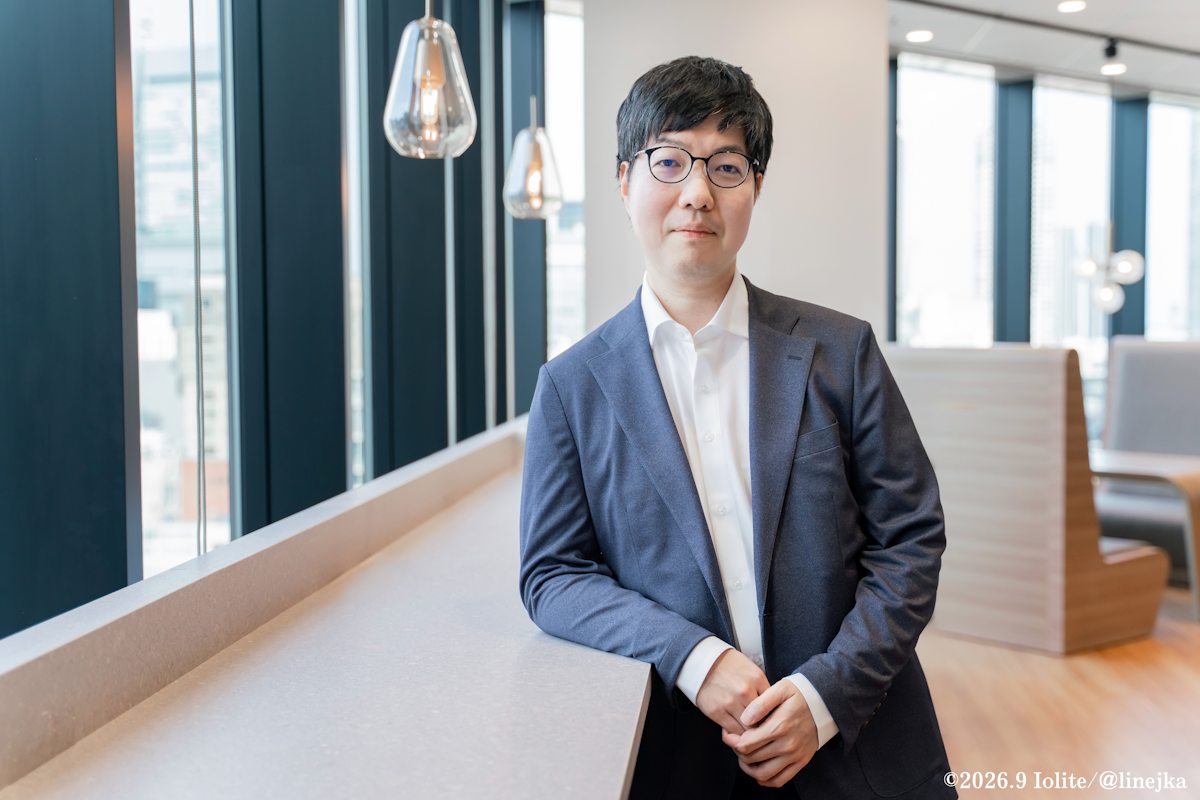
◉ Juntaro Iwase
Managing Director for Japan and Southeast Asia, OP Labs
After working at Meta (formerly Facebook) and other companies, he spent 12 years in Singapore. Since 2022, he has been involved in consumer use cases and ecosystem growth in the Web3.0 domain, joining OP Labs in 2026 to support on-chain implementation for financial institutions and enterprises.
Sony unveils Soneium mainnet and also releases cryptocurrency trading service

