
From July 1st to 3rd, Japan's largest startup conference, 'IVS2026,' was held once again in Kyoto.
Since shifting towards openness in 2023, the event has broadened the scope for startups. This year, it was themed 'JAPAN IS BACK.'
To demonstrate the evolution of Japanese startups to the world, the venue underwent significant transformation. Centered around the Miyako Messe, the 'IVS Area' provided a platform for entrepreneurs, students, and supporters to freely interact, fostering investments, partnerships, and serendipitous encounters on a scale of 10,000 participants. Meanwhile, the newly established 'IVS CORE' at Hotel Okura Kyoto functioned as an invitation-only, curated area where decision-makers from industry and government gathered to discuss the future of Japanese startups.
As a media partner at IVS, Iolite's editorial team reports on the sessions that caught their attention during the event.
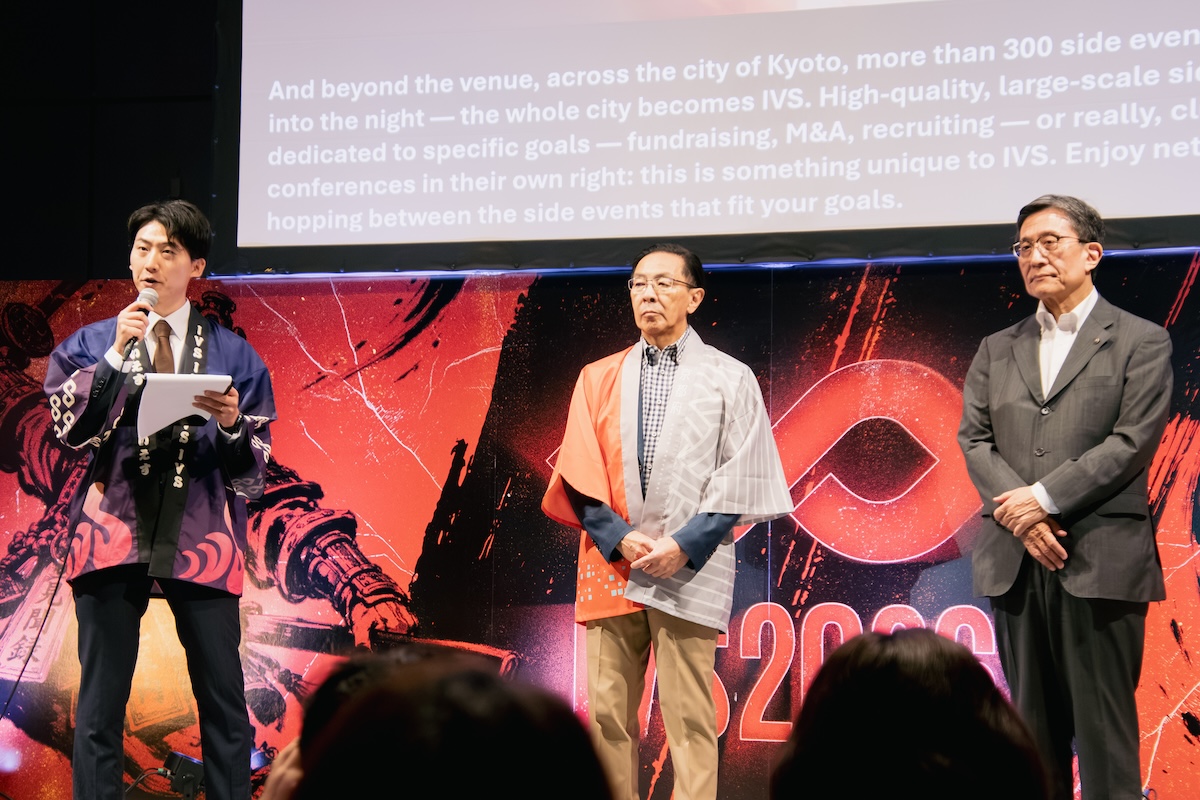
During the opening ceremony, leaders from local governments that form the IVS Kyoto Executive Committee took the stage.
Takatoshi Nishiwaki, Governor of Kyoto Prefecture, welcomed numerous participants from both domestic and international backgrounds, stating, "Encounters with people are crucial for the growth of startups. We have been working to establish an ecosystem with the hope that Kyoto will become a meeting place for startup stakeholders worldwide, contributing to their growth. As we enter the fourth year, I feel that the city has firmly established itself as a vibrant hub of interaction."
He further mentioned the research of Professor Susumu Kitagawa, who won the Nobel Prize in Chemistry the previous year, saying, "This demonstrates that technology originating from Kyoto is leading the world. As a turning point from establishment to evolution, I am eager to showcase the resilience of Japanese startups together with all of you."
Following this, Koji Matsui, Mayor of Kyoto City, touched on Kyoto's 1,000-year history, commenting, "The energy of people from diverse cultures and backgrounds gathering and interacting has shaped this city." He also referred to the over 300 side events held during the event, expressing, "There is significance in people from various backgrounds interacting. If challengers can gain new energy and insights, and acquire the strength to open new horizons for startups in Japan and the world, nothing would make me happier."
Additionally, former Prime Minister Fumio Kishida appeared as a special guest at the opening of IVS CORE, discussing his initiatives on "New Capitalism" and the "Five-Year Startup Development Plan." Kishida emphasized, "As a national strategy, we have mobilized policies to expand the startup base. However, we must now move to a stage where we continuously produce globally high-growth companies." He strongly advocated for the need to aim for greater "height" through public-private efforts, including expanding growth capital from domestic and international sources, diversifying exit strategies through M&A, and strengthening support for deep tech through government procurement, starting with defense procurement.
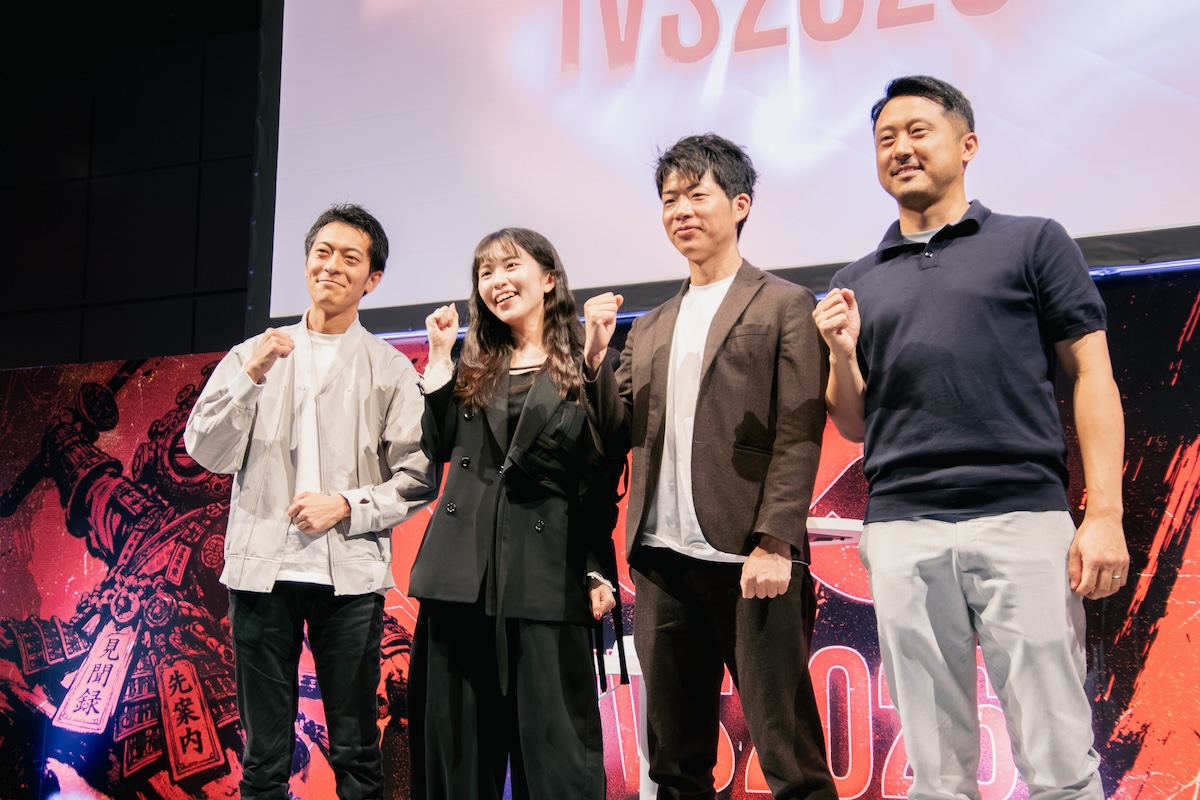
On the first day, the main stage session titled 'The New Standard for Startup Entrepreneurs: Redefining the Diverse Entrepreneurial Image and Mindset' featured discussions on the evolving definition of startups and the role of entrepreneurs.
Keisuke Tachioka from ALPHA Corporation moderated the session, where entrepreneurs who defy the traditional 'J-curve rapid growth' and 'IPO after fundraising' models took the stage.
Fumiyoshi Takahashi from concon Corporation, after selling his influencer business in India, is now redefining the traditional craft of 'Takasaki Daruma' from Gunma. Without raising funds, he leverages traditional techniques and strong IP collaborations to maximize long-term value (LTV) akin to the Mona Lisa or Kinkaku-ji, focusing on a management style that emphasizes 'longevity'.
Meanwhile, Reiji Kobayashi from HAKKI GROUP is engaged in a microfinance business using credit scoring for used cars in the Global South, such as Kenya and India. He demonstrated a structure that utilizes capital leverage as a corporation established in Japan to address unique credit challenges in emerging markets, pursuing both social problem-solving and business viability.
Additionally, Shingo Yuhara from forest Corporation, who aggregates and grows local and individually-run successful e-commerce brands through M&A roll-up strategies, described his role as a 'father of small businesses'. He explained his approach to growing a business group through solid organizational structures and backend standardization.
Common among the speakers was a mindset characterized by 'tenacity' and 'resilience' that cannot be replaced even in the AI era, along with an 'insensitivity' to external opinions. These entrepreneurs, who transcend traditional frameworks, powerfully presented a new standard for the future of startups.
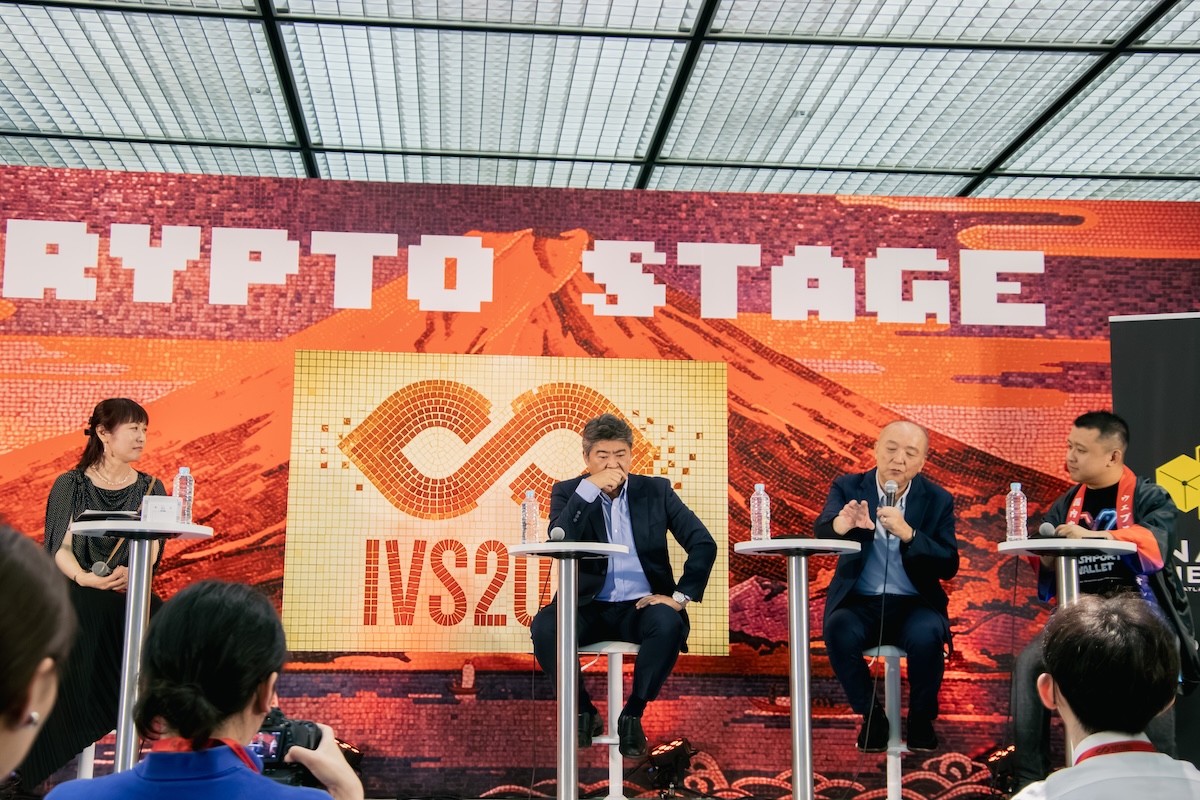
Under the production of Web3.0 media 'NADA NEWS', the 'CRYPTO STAGE', a cryptocurrency-focused stage held for the first time since 2024, featured a panel discussion titled 'Back to the Land of the Rising Sun with AI and On-Chain Finance'.
Chiharu Kuroda from KDDI Corporation served as the moderator, with key figures from the political, financial, and Web3.0 sectors taking the stage. They discussed the significant structural changes facing Japan's financial market and future prospects.
The panelists included Seiji Kihara, a member of the House of Representatives and chair of the Liberal Democratic Party's 'Next-Generation AI and On-Chain Finance PT', Akio Isokawa from Sumitomo Mitsui Financial Group, and Yoshihiro Yoshida, CEO of HashPort, which has the largest wallet user base in Japan.
At the beginning of the session, Kihara explained the objectives of the 'Next-Generation AI and On-Chain Finance PT Recommendations' issued by the LDP PT on May 15, 2026. He emphasized the necessity of integrating blockchain infrastructure to maintain Japan's sovereignty and compete globally in a future where AI enables autonomous economic activities.
The core of the recommendations is to initiate on-chain transformation in the financial sector, starting with payments and remittances, and to extend this to both the currency side, including cryptocurrencies and stablecoins, and the asset side, represented by RWAs (Real World Assets).
Kihara argued that the integration of both currency and assets is crucial for accelerating the on-chain transformation and AI implementation across the Japanese economy, indicating a clear positioning of this policy within the government's growth strategy. He also expressed a commitment to redefining the role of financial institutions as platforms and promoting the on-chain transformation of government bonds, aiming for resolution within the year.
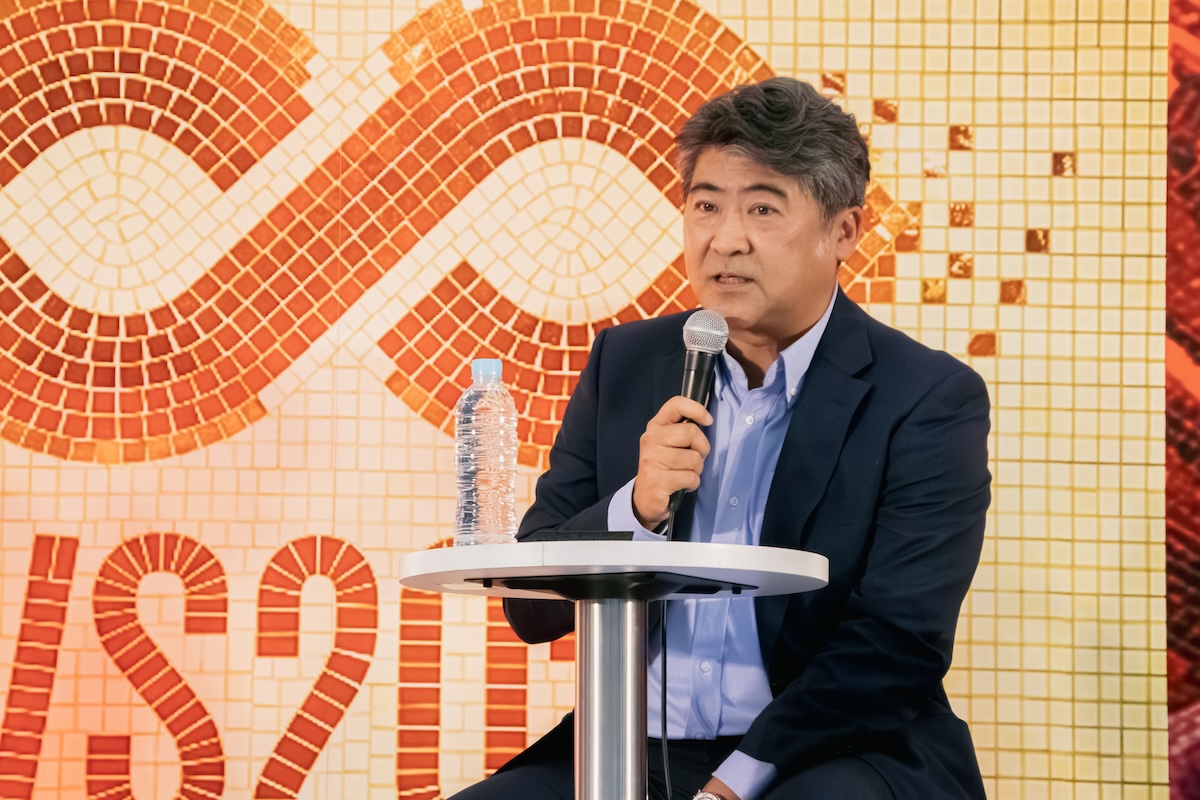
From the perspective of financial institutions, Isokawa explained the current state of practical operations. He touched on the ripple effects of the recommendations, pointing out that the essence lies not in pursuing a single killer use case but in structural changes that make financial activities more convenient for society as a whole. He introduced experiments by major banks to improve fund management efficiency and mentioned delays in tokenizing RWAs, the operational target. "It's important to provide both payments and assets together," he stated.
Yoshida praised the alignment of Japan's consensus with global trends in the digital asset market. He reported on the deployment of wallet infrastructure promoted by HashPort, the interconnection of Ponta points and stablecoins in collaboration with KDDI, and examples of payments in the healthcare sector and physical stores, illustrating how infrastructure is permeating everyday life.
In the latter half, discussions extended to the initiatives of the newly established 'Wallet and AI Committee' within the JCBA (Japan Crypto Asset Business Association) and rule-making in autonomous economies where AI agents conduct transactions.
As transactions by AI agents increase, many challenges remain, such as clarifying boundaries of responsibility, establishing a regulatory environment for non-custodial wallets, and potential future tax reforms. Kihara stated, "It is difficult to respond to rapidly changing technologies with hard laws alone, and a combination with soft laws, including self-regulation, is essential," expressing hope for agile rule-making led by the private sector.
On the second day of IVS2026, a session titled 'Reconstructing Finance Starting with Tokenized MMFs: Can 'Wall Street 2.0' Be Realized in Japan?' was held at the CRYPTO STAGE.
Moderated by Shigeru Sato of Solana Superteam Japan, the session featured three leading asset management firms from the forefront of traditional finance (TradFi). Yuki Tanaka from BlackRock Japan, Mr. Nomoto from Nomura Asset Management, and Mr. Yuasa from Franklin Templeton engaged in a lively discussion on the proliferation of cryptocurrency ETFs, the forefront of on-chain finance with 'tokenized MMFs (Money Market Funds),' and the future transformation of Japan's financial structure.
The session began by focusing on market changes following the approval of the first cryptocurrency spot ETF in the United States in 2024. Yuki Tanaka from BlackRock Japan highlighted the greatest achievement of cryptocurrency ETFs as 'connecting the previously divided worlds of DeFi and traditional finance.' He emphasized the significance of enabling access to cryptocurrencies through regular securities accounts.
Regarding the timeline for the introduction of cryptocurrency ETFs in the Japanese market, Mr. Nomoto from Nomura Asset Management expressed the view that 'considering discussions with the Financial Services Agency, ETFs are expected to appear around 2028, with the possibility of investment trusts appearing sooner.' He also indicated a stance of exploring product design utilizing futures and spot markets, along with appropriate information disclosure, as tools for diversified investment.
The discussion expanded to on-chain assets traded on the blockchain, particularly tokenized MMFs.
Mr. Yuasa from Franklin Templeton, which operates the on-chain MMF 'BENJI,' cited 'the transformation of financial products into software' as the greatest achievement of building MMFs on the blockchain. Through programming, it has become possible to record holdings and calculate and distribute interest on a per-second basis on a public chain, revealing new use cases such as P2P instant transfers and collateral management among investors.
Yuki Tanaka from BlackRock, which operates the USD-denominated on-chain MMF 'BUILD,' also stated, 'We envision a future where all assets, including stocks, bonds, and ETFs, are on-chain,' emphasizing that providing high-quality management methods is the mission of asset management companies.
Regarding the realization of a financial infrastructure in Japan akin to 'Wall Street 2.0,' the three companies unanimously predicted that the role of 'banks' will be extremely important in leading the market over the next 3 to 5 years. They agreed that it is essential for banks, which dominate the areas of payments, remittances, and deposits, to take the lead in popularizing payment infrastructures such as stablecoins and tokenized deposits.
Furthermore, it was suggested that advancing the tokenization of stocks and bonds requires a collaborative effort between the public and private sectors to enhance the consistency with existing legal frameworks such as the Investment Trust Law and the Corporate Bond Law, as well as to increase the predictability of regulations.
The speakers concluded that creating a user experience where users can benefit from blockchain without being aware of its existence, combined with Japan's robust compliance foundation, will lead to the establishment of a new financial system.
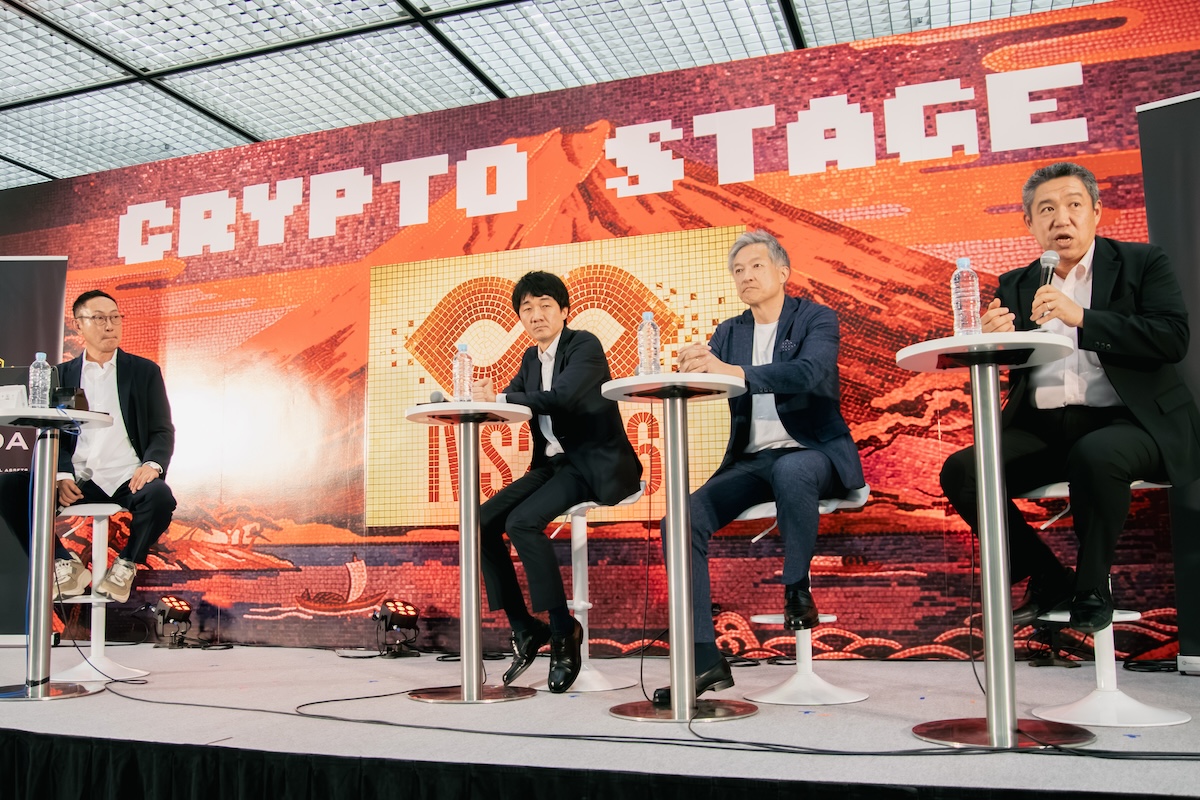
On the second day, a session titled 'AI Agent × Stablecoin: The Shock of Global Digital Payments and Implementation in Japan' was held, focusing on the integration of rapidly expanding stablecoin usage and the emergence of AI agents.
Key figures in payment and financial infrastructure, including Kenta Sakakibara from Circle, Daniel Heffernan from Stripe, Noritaka Okabe from JPYC, Tatsuya Saito from Progmat, Inc, and Shinichi Sakane from Tradum Co., Ltd., participated in the session.
As the financial structure transitions from human-centric to a new economy led by autonomous 'AI agents,' discussions centered on the critical role of stablecoins and practical implementation approaches in the Japanese market.
At the session's outset, Daniel from Stripe explained the background of the company's recent focus on stablecoin payments and the concept of 'Agentic Commerce,' which involves AI agents. Traditional e-commerce required humans to open browsers, create accounts, and input address and credit card information. However, with the advent of protocols co-developed with OpenAI, a future where AI autonomously accesses tools and resources to process micropayments in milliseconds is becoming a reality.
In response, Sakakibara from Circle pointed out that 'existing financial systems and payment networks are designed for manual human operation.' In a world where AI agents rapidly and autonomously transact and settle payments, stablecoins on public chains, capable of instant settlement in milliseconds and extremely low fees, are the only viable option.
In fact, Okabe from JPYC reported that the Japan Yen-pegged stablecoin JPYC has already begun operating in AI model payments and AI-mediated purchase tests. He expressed the view that the predicted explosive growth in global stablecoin payment volumes by 2035 cannot be explained by human-to-human transactions alone, but will largely involve transactions between AI agents or between AI and humans.
In addition to the future of AI agents, the session delved into the rapidly increasing demand for stablecoins in the real economy.
Particularly in trade settlements with emerging markets and international logistics, the 'slow settlement speed' and 'high intermediary costs' of traditional bank transfers via SWIFT (Society for Worldwide Interbank Financial Telecommunication) pose significant challenges. Instantaneous fund transfers in cross-border transactions between Japan and other countries can significantly enhance the cash flow for small businesses.
From the perspective of financial markets and institutional investors, there is growing anticipation for an 'on-chain complete' account model that maximizes capital efficiency by managing funds as stablecoins on-chain, rather than constantly converting back to fiat currency.
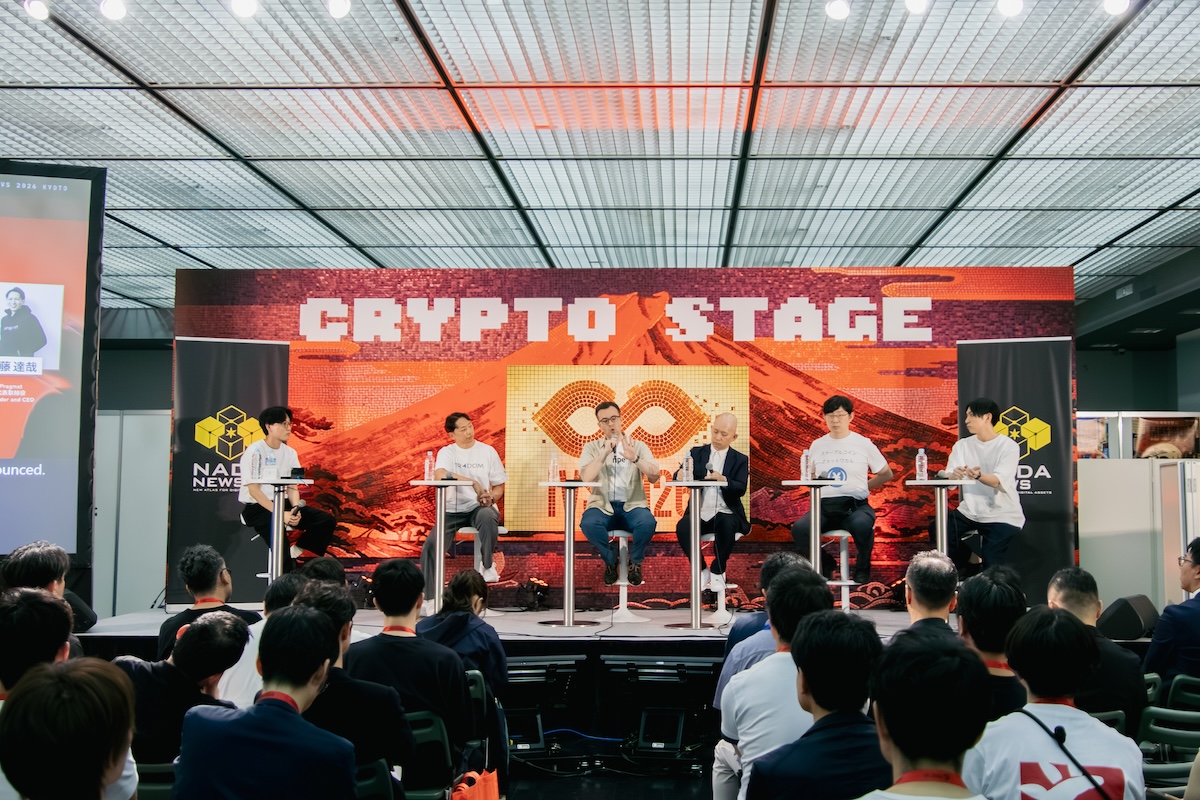
Despite the future potential, there was candid discussion about the hurdles to widespread adoption of stablecoin and AI agent payments in Japan.
The first challenge is the current licensing system and accounting and auditing constraints. Okabe from JPYC highlighted the face value limits on issuance and transfer under the Payment Services Act and the cautious stance of major auditing firms regarding on-chain asset holdings. However, he mentioned efforts to resolve these issues through the development of data auditing systems and phased demonstration and operation.
The second challenge is the connection with existing financial institutions and the 'convenience for recipients.' As pointed out by Sakane from Tradum and Daniel from Stripe, if businesses and consumers cannot immediately convert received stablecoins into Japanese yen in their bank accounts (off-ramp environment), the barrier to adoption remains high.
The panelists unanimously agreed that 'stablecoins do not oppose existing banking finance but complement it.' By bridging the strong compliance and settlement infrastructure of traditional finance with the liquidity and immediacy of blockchain, a phased and secure implementation approach was proposed.
In response to the audience's question about which industry will first adopt agentic commerce, potential initial use cases included 'inbound international tourism reservations,' where AI overcomes language barriers, and 'instant procurement of micro-development resources' in cloud environments.
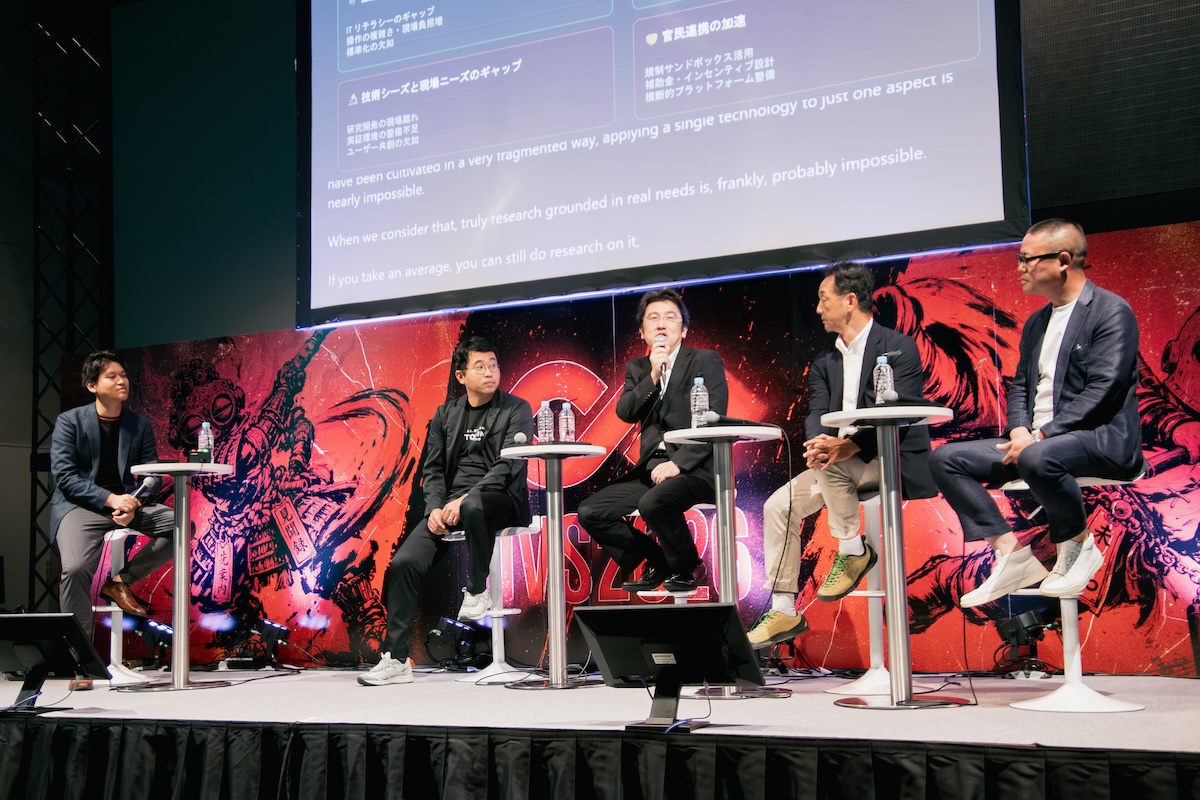
Amid escalating global geopolitical risks and climate change, a session titled 'Redefining Food Security: The Technological Bulwark for Sustainable Food' was held on the main stage, focusing on the future of Japan's primary industries and food security.
Japan's food self-sufficiency rate currently stands at a low 38%, with the aging agricultural workforce and population decline rapidly weakening the production base. In response to these severe risks, key figures from government, academia, agricultural organizations, and agritech startups gathered to tackle these challenges head-on. They engaged in heated discussions on solving on-site issues through technology and the nature of sustainable innovation.
In the first half of the session, the current distortions and structural challenges surrounding Japan's food were presented. Kohei Nishida from TOWING Co., Ltd., which develops high-performance soil using biochar, pointed out, 'Given our heavy reliance on imported chemical fertilizers, the actual self-sufficiency rate is even lower.' He viewed this crisis as a significant opportunity for structural transformation to revolutionize traditional agricultural methods, emphasizing market opportunities from the perspective of startups tackling the shift to organic fertilizers and solving overseas production challenges.
Naoto Abe from the Ministry of Agriculture, Forestry and Fisheries explained that food security is not just about improving self-sufficiency rates but also requires diversifying import routes, stabilizing material procurement, and ensuring the sustainability of domestic production. He stressed that addressing the rapid population decline in production areas amid climate change, rising global demand, and geopolitical risks is a national priority.
Additionally, Tsukasa Ozato from the AgVenture Lab touched on the traditional price formation and distribution structures that have supported urban consumers, expressing a strong sense of crisis: 'Without understanding and forming fair prices that reflect production costs, the trend of farmers leaving the industry will not stop, and food supply itself will become unsustainable.' Hideaki Tsuruta from Kyoto University's Growth Strategy Office advocated for a societal shift in accepting the appropriate value and cost of food production, comparing it to examples from other countries and industries like the automotive sector.
In the second half of the session, discussions shifted to practical themes on how to integrate and implement 'Agritech'—a combination of 'Agriculture' and 'Technology'—into production sites.
Despite the emergence of many technological and bio-based products, the gap in understanding between developers and production sites remains a significant barrier to widespread adoption. Nishida from TOWING stated, 'Agriculture varies greatly in challenges and environments depending on the region and crop, and simply presenting superior technology is not enough for widespread adoption.' He emphasized the importance of attentive communication tailored to on-site needs and the gradual step-up through open innovation.
Ozato from AgVenture Lab also stressed the importance of startups deeply understanding the business practices and real challenges of the field. He indicated an approach to strengthen the role of platforms that connect startups with the field, supported by experts from organizations like the National Federation of Agricultural Cooperative Associations (JA Zen-Noh) and the Norinchukin Bank.
Furthermore, Abe from the Ministry of Agriculture, Forestry and Fisheries stated, 'While it is difficult to apply uniform technology to diverse sites, packaged technologies and accurate information provision that allow new entrants to easily engage in farming will be key in the future.' He summarized the need for a vision and environmental development involving government, private sector, and academia.
The session pointed to the future of an 'Agri-Food Ecosystem' that can truly build a bulwark for Japan's food security, not only through technological productivity improvements but also through gritty, hands-on efforts and multifaceted collaboration that respects cultural and on-site business practices.
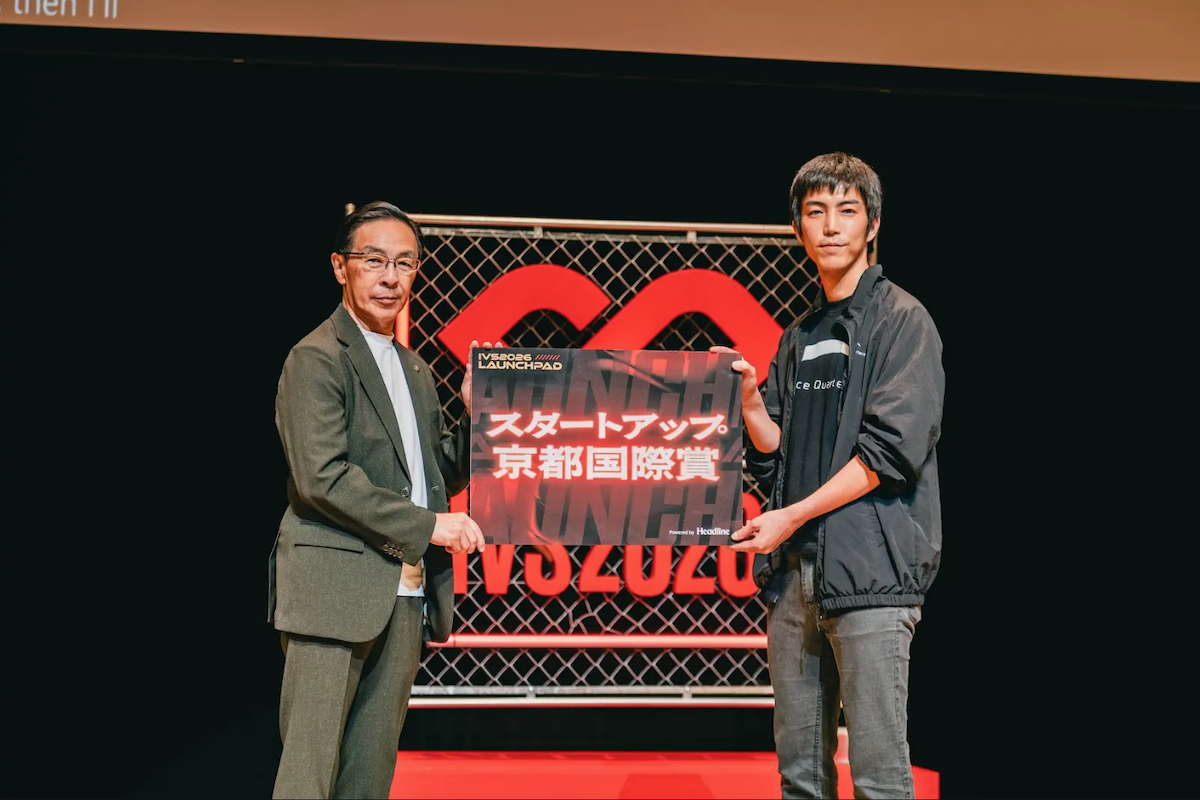
The main event, 'IVS2026 LAUNCHPAD,' was hailed by judges as the 'highest level ever.' Out of over 500 applicants, 15 finalists delivered intense presentations. The winner received the 'Kyoto International Startup Award' along with a prize of 10 million yen.
Amid fierce competition among various startups, Munenori Takahashi of Space Quarters emerged at the top in 2026.
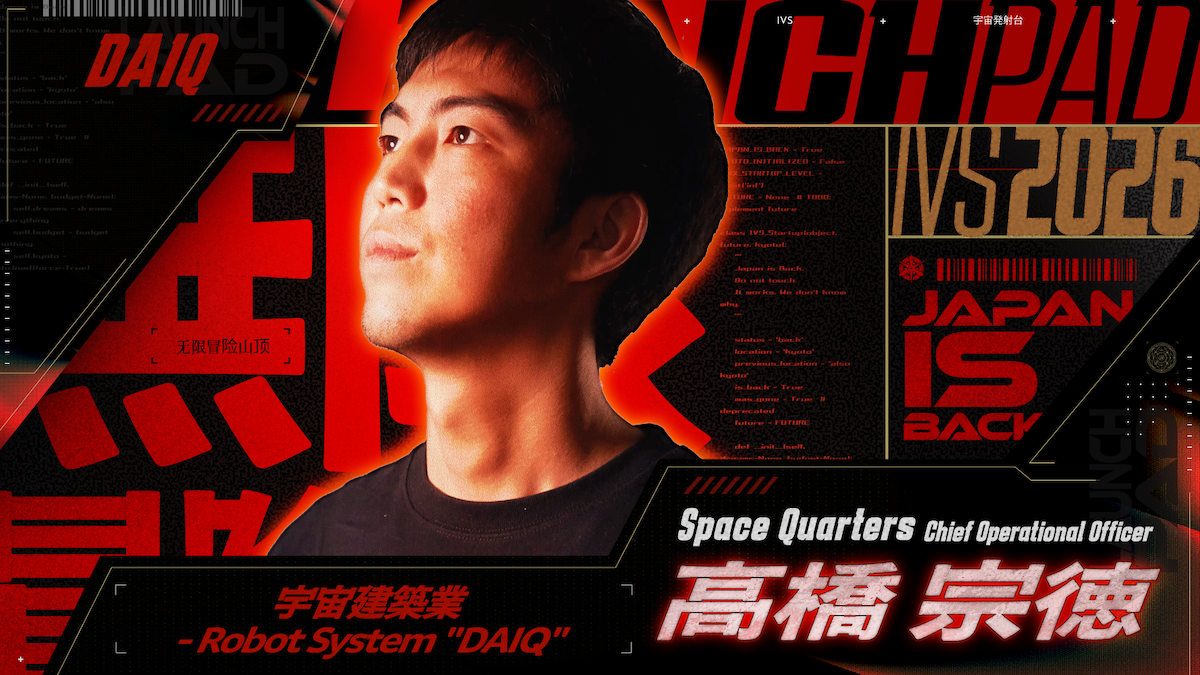
Led by Takahashi, Space Quarters focuses on overcoming the physical constraint of launching only fully assembled structures that fit within the rocket's nose cone. They are developing construction technology that transports panel-like building materials and a proprietary high-precision general-purpose robotic system to space, enabling on-site assembly and welding in orbit or on the lunar surface.
This approach reduces transportation and construction costs by up to one-tenth, allowing for the creation of high-revenue infrastructure like large antennas and modules with over ten times the scale, thereby increasing the return on investment (ROI) in space utilization by 100 times.
At the award ceremony, Takahashi stated:
"Since our founding in 2022, we have focused solely on 'building large structures in space.' We have faced numerous doubts about whether our concept, though intriguing, could truly be realized. However, we have persevered with our team, believing in our goal, and have continued development and experimentation. Today, I am thrilled to share the excitement of our vision with so many people. With respect for Japan's advanced precision robotics, construction technology, and factory automation history, we aim to pioneer a future where humanity can genuinely utilize space, starting from Japan."
This event strongly showcased the 'height' and 'potential' of Japan's startup ecosystem to the world, from solving social infrastructure challenges to exploring the space frontier.
IVS2026, held over three days this year, concluded successfully. The entire city of Kyoto was engulfed in the fervor of startups, radiating an energy that promised new innovations.


Various booths and sessions were held across different categories, but this year, many conveyed the impression of being in a 'transitional phase of maturity'.
For instance, most of the products showcased by companies at the booths were related to AI. However, rather than just offering 'services using AI', many focused on 'solving problems identified beyond AI utilization', assuming AI usage as a given.
Additionally, sessions at the CRYPTO STAGE were geared towards the transition of cryptocurrencies into financial instruments, presenting forward-thinking and positive discussions rather than lamenting stricter regulations.
We look forward to seeing how the ideas and enthusiasm expressed at IVS2026 will blossom. We anticipate the participants of this event will excel in various fields.
Image: Iolite, IVS2026
Japan’s Largest Startup Conference, IVS2025: Full Event Report


