


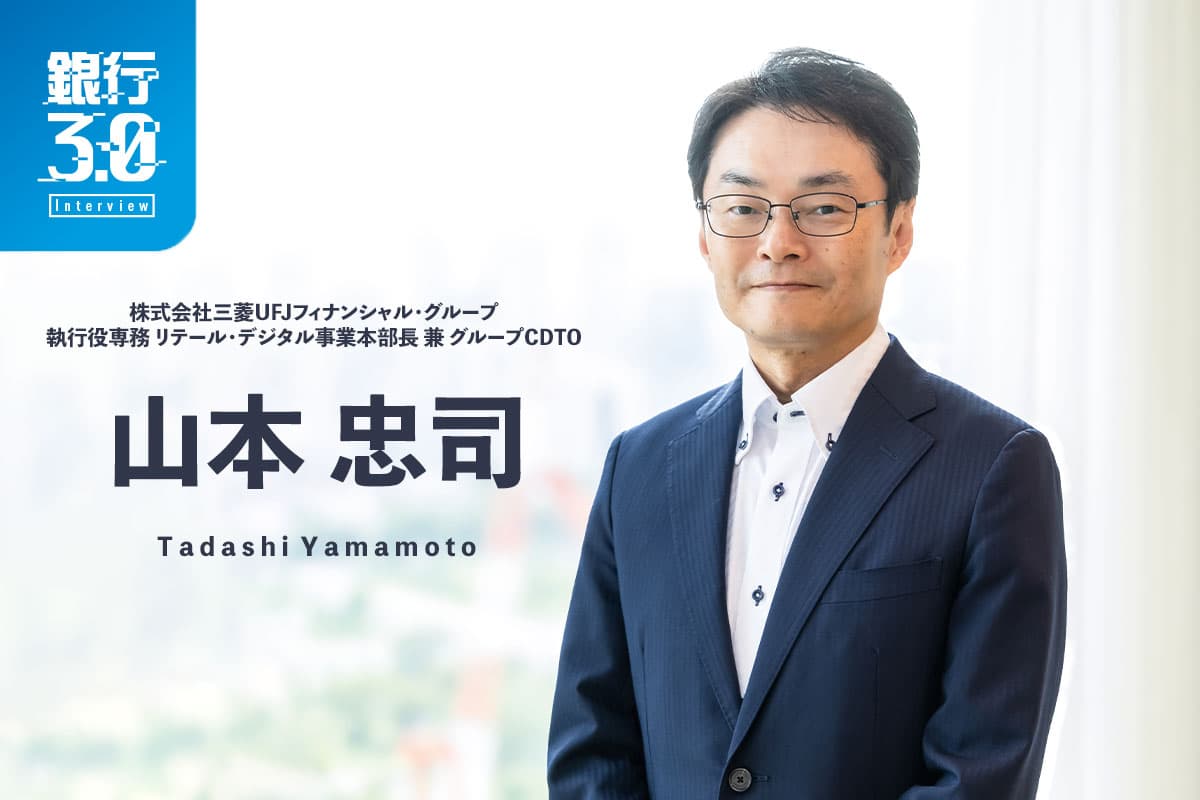
1. Transition to Next-Generation Infrastructure through On-Chain Transformation
On-chain finance presents both a risk to existing businesses and a prime opportunity to transition banking trust and settlement functions to next-generation infrastructure. MUFG is focusing on creating new value by addressing customer challenges rather than leading with technology.
2. Dual Approach with Stablecoins and Tokenized Deposits
In addition to collaborating with the three megabanks to build a stablecoin platform, there is also a parallel consideration of tokenized deposits, which are highly compatible with banking functions. The focus is on prioritizing real demand areas such as cross-border payments and government bond repo transactions, aiming for early societal implementation through collaboration with diverse players.
3. Expansion of Banking Roles in an AI-Driven Economy
In a future where AI becomes the main driver of economic activity, there will be a demand for programmable financial infrastructure to support autonomous transactions. The role of banks in ensuring safety and security will remain unchanged, and is expected to expand further in society.
──Currently, discussions and implementations of on-chain finance are accelerating both domestically and internationally. How do you view the current status and progress of on-chain transformation in Japan?
Tadashi Yamamoto (hereafter, Yamamoto): On-chain finance is a medium- to long-term critical theme that can provide value such as immediacy and programmability, which were previously difficult to achieve.
While overseas markets, led by the United States, are ahead, I understand that domestic companies are also progressing with considerations towards actual service implementations.
For banks, failing to adapt to on-chain finance could pose a 'threat' as existing revenue areas like deposits, settlements, foreign exchange, and CMS could be captured by external networks. Conversely, it also presents an 'opportunity' to transition the bank's trust, regulatory compliance, customer base, KYC, credit, and settlement functions to next-generation infrastructure.
As MUFG, we aim to address this from the perspective of designing next-generation financial infrastructure, focusing on customer challenges rather than starting with technology.
──Interest in the joint issuance of stablecoins by the three megabanks is very high. What do you think is the significance and social impact of the emergence of jointly issued stablecoins?
Yamamoto: By jointly issuing stablecoins, the three megabanks could potentially create the most widely used stablecoin platform in Japan.
In addition to jointly addressing common challenges such as regulatory compliance and user protection measures in service design, the fact that the three megabanks are driving the consideration of stablecoins through a proof-of-concept is also seen as a significant aspect of their collaboration.
As use cases, we expect utility in achieving rapid cross-border payments and immediate securities DVP realization.
──MUFG previously conducted research and development on the 'MUFG Coin.' Is there a plan to reissue it in the form of stablecoins or other formats?
Yamamoto: The MUFG Coin was a proprietary digital currency concept we explored around 2016. At that time, we found that similar services could be provided without issuing our own digital currency. Additionally, there were challenges in establishing a framework to conduct business flexibly while ensuring bank-level compliance with AML/CFT (Anti-Money Laundering and Counter-Terrorism Financing) measures and information security.
Currently, there are no plans to reissue MUFG Coin in the form of stablecoins or other formats. Regarding stablecoins, we aim to advance initiatives such as the pilot projects by the three mega banks in Japan.
──Mitsubishi UFJ Bank announced the establishment of a new company in late 2026, alongside major financial institutions like Goldman Sachs, to support the issuance of stablecoins. Could you explain the background and reasons for participating in this initiative?
Yamamoto: The new company will initially focus on USD-denominated stablecoins, with plans to expand into euro-denominated stablecoins and other G7 currency-denominated stablecoins in the future.
Our goal, along with other participating financial institutions, is to provide highly reliable digital money that complies with the laws and regulations of each country and region, featuring bank-level compliance, robust governance, a global distribution platform, and institutional-grade risk management.
──Currently, there are pilot projects for 'tokenized deposits' as well. While their applications may differ, which do you think will gain traction first in Japan: stablecoins or tokenized deposits?
Yamamoto: At this point, it is difficult to predict which will gain traction first, stablecoins or tokenized deposits.
Indeed, tokenized deposits, which can accrue interest and contribute to credit creation, have a higher affinity with banking functions. However, both could coexist depending on usage scenarios and customer needs.
Therefore, we will not make any premature decisions and will continue to work on both tokenized deposits and stablecoins.
──MUFG recently announced the launch of a proof-of-concept for on-chaining JGB (Japanese Government Bonds) repo transactions in collaboration with Progmat and others. Could you share the background leading to this initiative and the target timeline for full-scale deployment?
Yamamoto: JGBs are widely used as collateral in repo transactions due to their high creditworthiness and liquidity. We recognize the growing momentum and expectations for on-chaining these transactions.
MUFG has been engaged in various on-chain financial ventures. As the largest financial group handling JGBs in Japan, we have provided liquidity and settlement services for JGBs. We believe that continuously offering similar functions and services on-chain is crucial for market development and enhancing investor convenience. Therefore, we announced that our group companies would collaborate on a proof-of-concept for on-chaining JGB repo transactions.
We are currently deepening our examination of the proof-of-concept scheme. For subsequent social implementation, we aim to collaborate not only with MUFG but also with various market participants, including domestic and international financial institutions.
──How do you foresee the acceleration of on-chain finance, stablecoin, and AI adoption affecting banking operations in the future? What impact might this have on banks' monetization points and management costs?
Yamamoto: Even as on-chaining progresses, we anticipate that existing payment, remittance, and asset transactions will not be immediately replaced. Instead, the current off-chain and on-chain domains will coexist for the foreseeable future.
For instance, there might be downward pressure on simple remittance fees. Conversely, the main battleground for banks could shift towards higher value-added areas, such as connecting with group-based assets, providing forex and custody functions, and offering more efficient and effective identity verification, AML, and internal control measures.
Moreover, the integration with AI could lead to new services and transactions by seamlessly connecting AI-driven analysis and decision-making with on-chain value transfers, making 'judgment' and 'execution' seamless.
──What challenges do you foresee for financial institutions when AI and finance become closely intertwined, such as in agentic commerce? How does MUFG plan to leverage AI, and what are the goals and objectives of these initiatives?
Yamamoto: We believe a world where AI becomes the main driver of economic activities, handling information gathering, decision-making, negotiation, contracting, and payments, is becoming increasingly realistic. Particularly in the corporate sector, AI could manage purchasing, finance, and operations, even deciding on fund transfers and management. Since AI operates 24/7, there are high expectations for on-chain money and programmable financial infrastructure that can be accessed directly from programs, also available 24/7.
On the other hand, addressing issues such as information management, copyright infringement, hallucinations, accountability, and model risk management is also crucial. It's important to establish rules that enable safe utilization of AI rather than rules that restrict it. MUFG is preparing to provide new value to our customers while keeping these future possibilities in mind.
──Could you tell us about MUFG's strengths and specific goals in on-chain finance that you believe set you apart from other banks?
Yamamoto: MUFG boasts a diverse group of companies capable of offering digital assets, in addition to a global network for payments. By leveraging this foundation, we aim to enhance our competitiveness in providing services to customers through both payments and asset management in on-chain finance.
Furthermore, we intend to continue demonstrating the functions related to trust, regulatory compliance, customer base, and KYC that banks, including MUFG, have traditionally fulfilled in ensuring safety and security within the next-generation financial infrastructure.
Currently, we prioritize areas such as cross-border transaction banking and market businesses like securities DVP related to government bond repos.
We are actively working to reflect the needs of corporate clients and institutional investors, aiming to provide services as soon as possible.
──Finally, in a future where on-chain finance is widely recognized and utilized, what do you envision as the 'significance and role of banks' in society and the economy?
Yamamoto: I believe on-chain finance has the potential to expand, rather than diminish, the role of banks.
The role that banking has played as a public infrastructure supporting economic activities should remain unchanged even in the era of AI and blockchain.
In fact, I think the impact of banks in spreading new technologies throughout society is significant, and the importance of banks in ensuring safety and security will only increase.
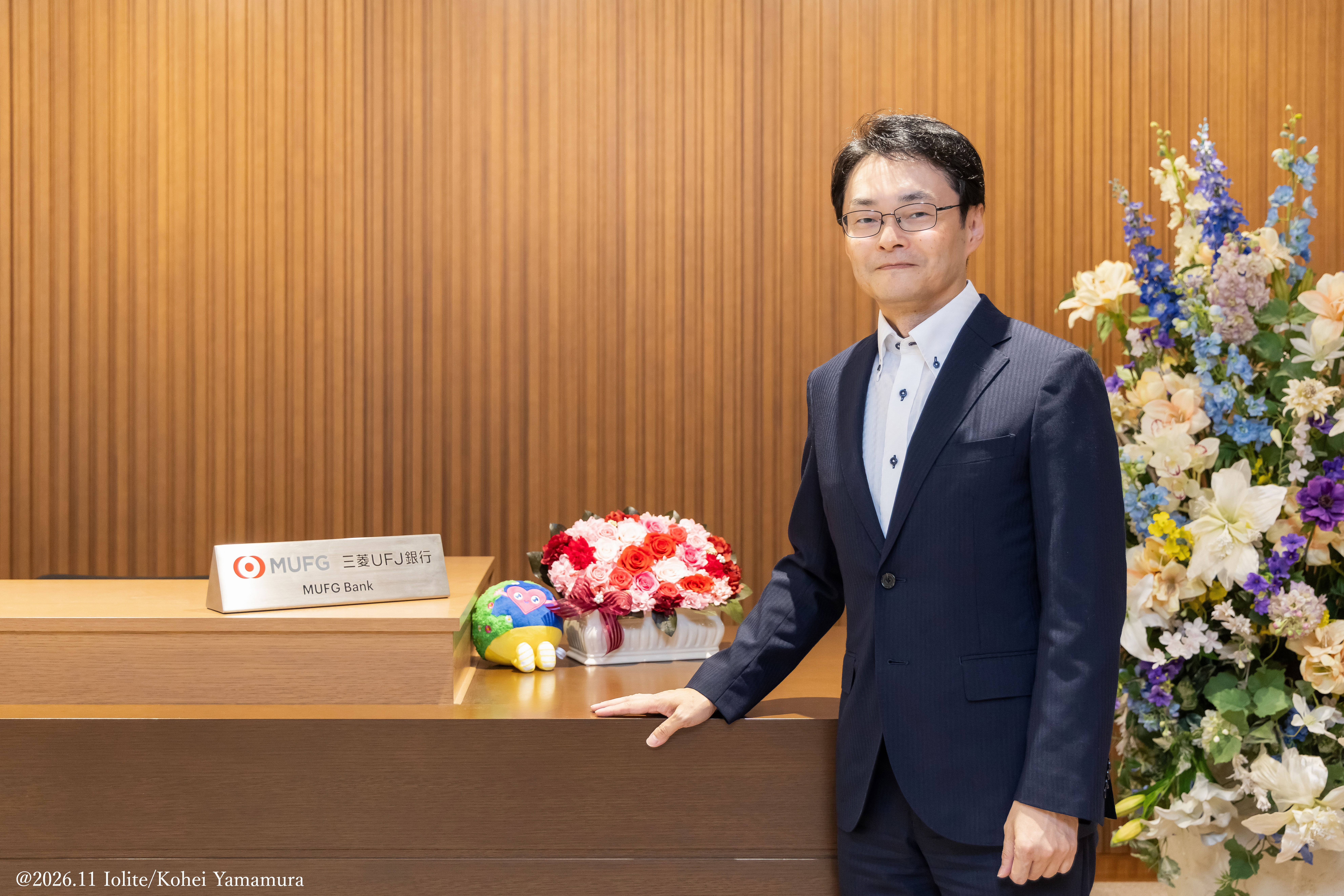
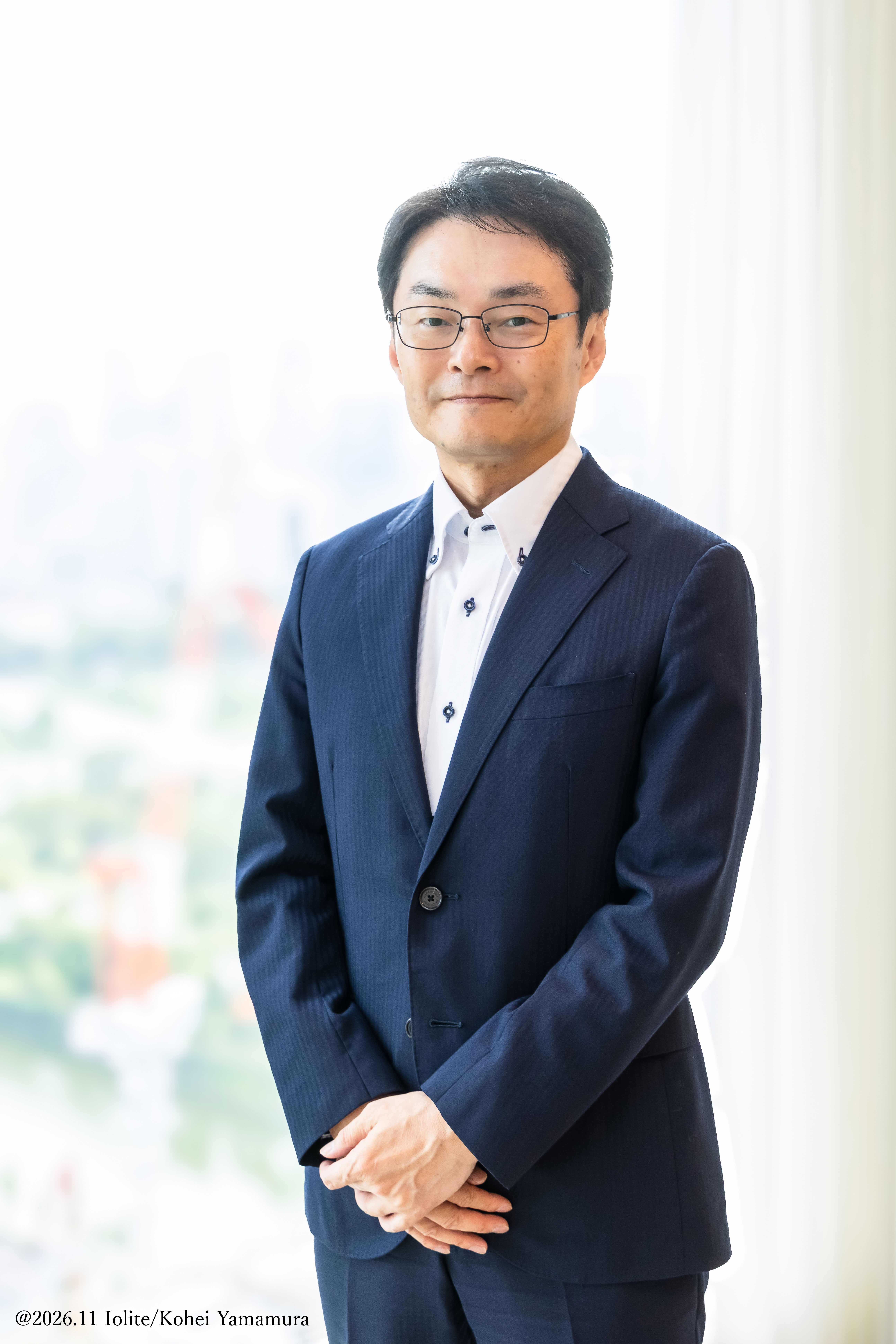
◉Tadashi Yamamoto
Executive Vice President, Head of Retail & Digital Business Division, and Group CDTO, Mitsubishi UFJ Financial Group, Inc.
Joined in 1992. Engaged in economic and financial research as an economist during his secondment to the Bank of Japan and in the Economic Research Office. Held positions as Executive Officer, Head of Loan Planning Department in 2018, Executive Officer, Head of Corporate Planning Department in 2021, and Managing Executive Officer, Chief Strategy Officer of the bank in 2022. Currently driving transformation and next-generation financial initiatives across a wide range of areas including retail, AI, digital, stablecoins, and on-chain finance.
〈Staff〉

