1. Synergy between On-Chain Transformation and AI
The on-chain transformation of finance has entered the practical stage, creating explosive synergy when combined with autonomously operating agent AI. With all transactions automated and settled instantly, the overall convenience for society is expected to improve dramatically.
2. Market Expansion through Dual Engines of Payment and Asset Management
The SMBC Group plans to offer proprietary stablecoins as payment methods and crypto asset ETFs as investment assets with equal speed. By integrating both into the market, they aim to significantly scale the entire ecosystem.
3. The Most Reliable On-Chain Gateway
In the next generation where financial democratization progresses, banks will be forced to undergo significant transformations in their business models. However, banks are expected to continue to play a central role in social infrastructure as the most reliable on-chain gateway for safe access to digital assets for everyone.
──Currently, discussions and implementations regarding on-chain transformation in finance are accelerating both domestically and internationally. How do you view the current status and progress of on-chain transformation in Japan?
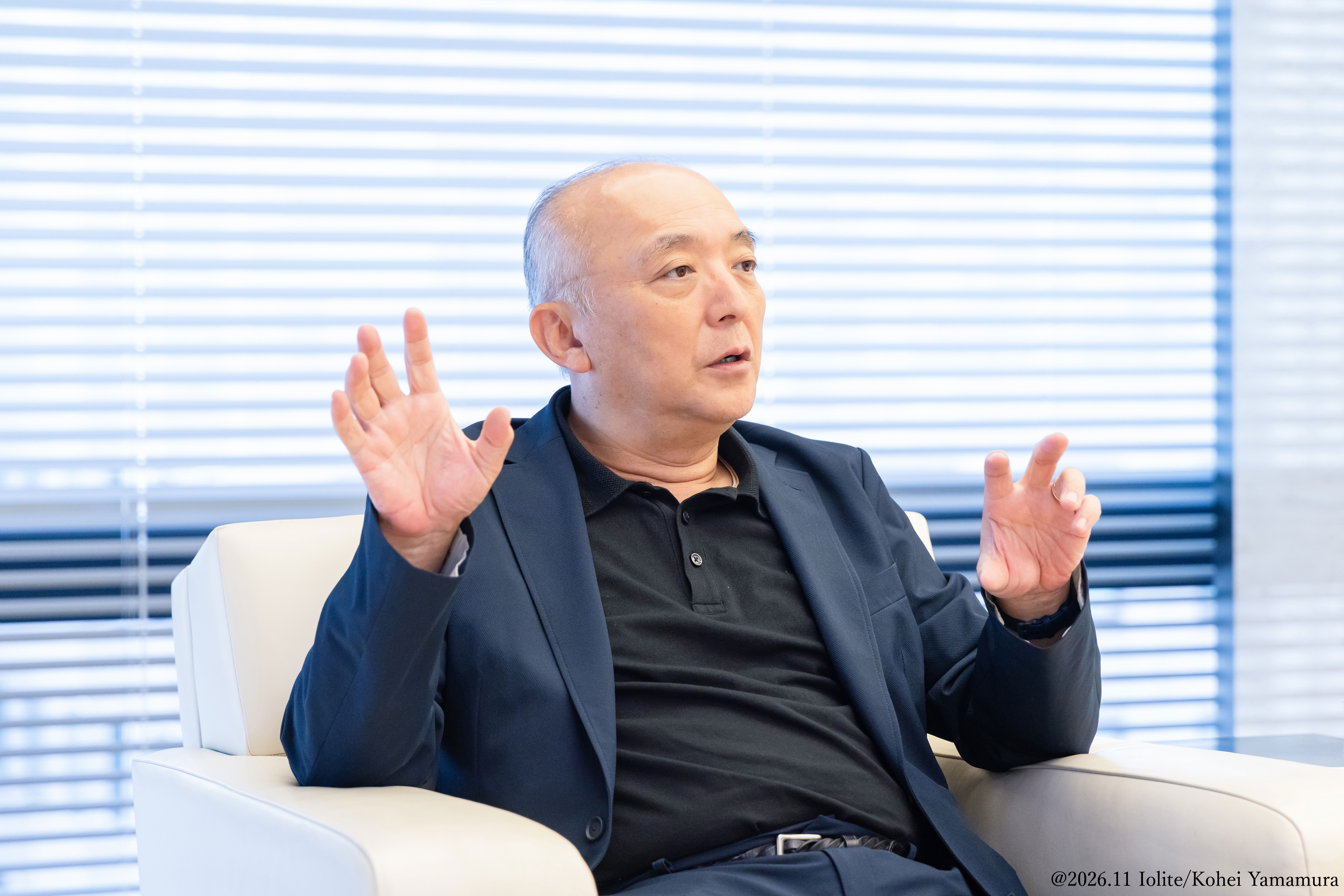
Akio Isowa (hereafter, Isowa): The efforts towards on-chain transformation have been discussed for quite some time, but I feel that we are finally transitioning from a phase centered on PoC to a stage of concrete consideration aimed at actual commercialization.
Often, people ask, "What use cases will emerge from on-chain transformation?" However, focusing solely on individual use cases does not reveal the essence. The current situation is very similar to the period 12-13 years ago when cashless payments began to rapidly penetrate Japan.
At that time, there were serious voices from society saying, "Japan is safe with no counterfeit bills, and the ATM network is well-developed, so cashless payments are unnecessary." However, in reality, the payment infrastructure gradually increased in convenience, and before we knew it, cash disappeared from people's wallets. Reflect on the question, "What are the use cases for cashless payments?" There was no specific killer use case; it was the widespread use across society that led to the adoption of cashless payments.
I foresee the exact same phenomenon occurring with blockchain. While there are individual benefits such as the efficiency of international remittances and the digitization of various assets, the essence lies in "improving the overall convenience of society." The primary reason this movement is rapidly becoming a reality now is the presence of autonomously acting agent AI. The core of on-chain finance lies in "DVP (Delivery Versus Payment)" and "programmability." When combined with agent AI, explosive synergy is expected to occur.
──Interest is growing in the joint issuance of stablecoins by the three megabanks. What do you think is the significance and social impact of this jointly issued stablecoin?
Isowa: One of the most important elements in the proliferation of on-chain finance is "standardization." When many players operate on the same standard protocol, the value as social infrastructure skyrockets. Particularly, if AML/CFT (Anti-Money Laundering and Countering the Financing of Terrorism), user protection, and high reliability can be provided on the same platform, it will significantly accelerate market formation.
However, it is not enough for only the stablecoin issued by the three megabanks to exist. As with cashless payments, users differentiate between debit cards, credit cards, transportation IC cards, and QR code payments based on their lifestyle and transaction amounts.
Similarly, it is desirable for a variety of options, such as stablecoins issued by individual banks and tokenized deposits, to be available in the market. Since the optimal means vary depending on user needs and preferences, providing diverse options will broaden the market's overall base.