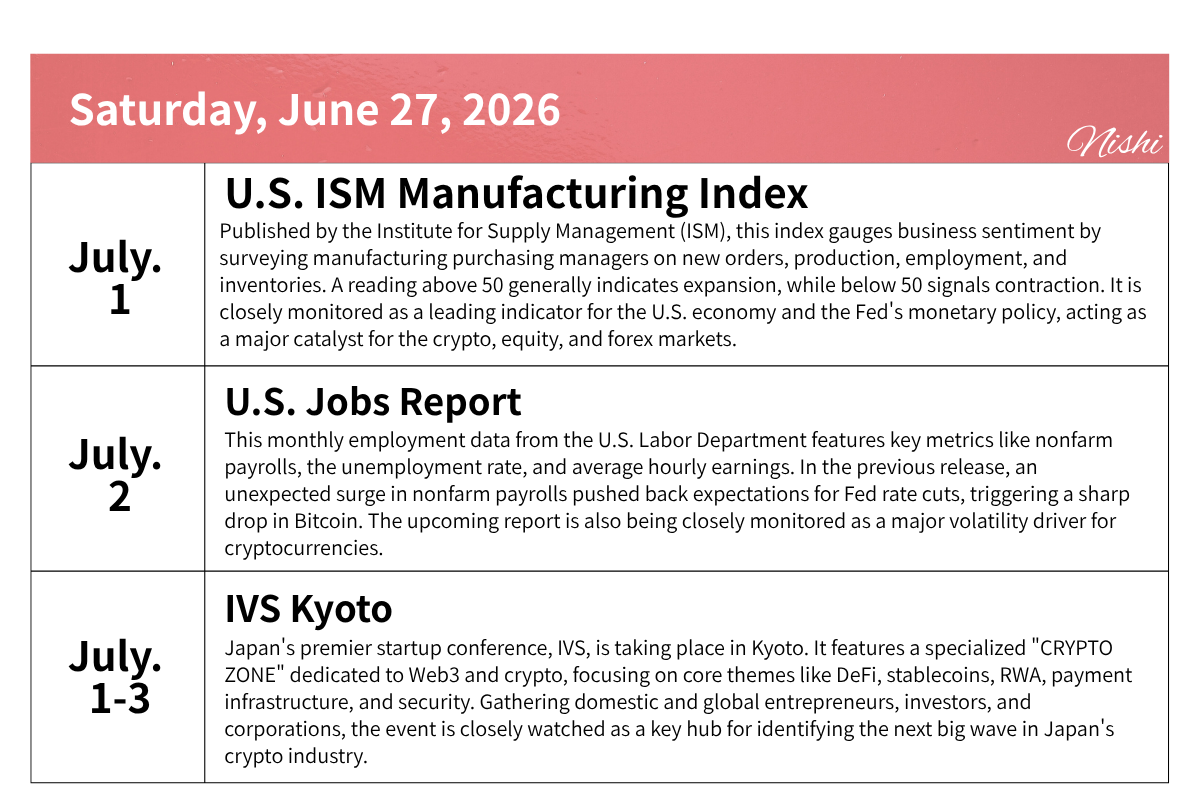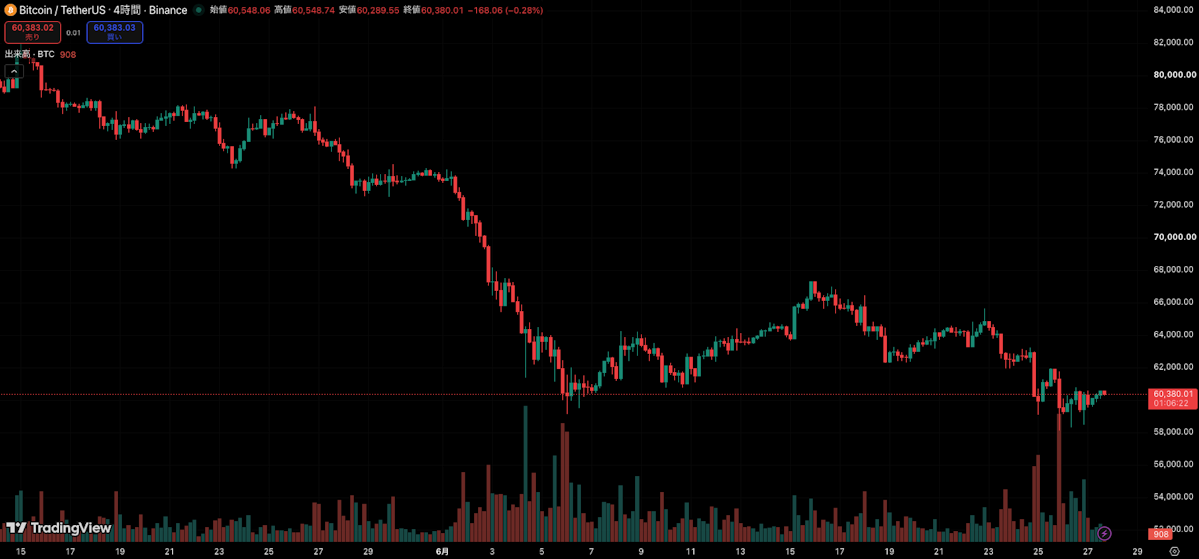
Bitcoin (BTC) plummeted midweek, hitting its lowest level since September 2024 on June 25—a fresh 21-month low. As hype surrounding the global AI boom cooled down, a sell-off in tech stocks spread across risk assets, ultimately spilling over into the crypto market.
Beyond the correction in AI-related equities, several other headwinds fueled the decline. These included a retreat in safe-haven demand due to easing geopolitical risks surrounding the Strait of Hormuz, stalled progress on the U.S. Clarity Act, and a downward trend in the Bitcoin hash rate. This convergence of negative factors likely prompted short-term traders to aggressively unwind their positions, accelerating the drop.
Furthermore, June 26 was heavily eyed as Bitcoin's quarterly derivatives expiry (often referred to as the crypto "major SQ"), marking the simultaneous expiration of quarterly futures and major options contracts. Position adjustments ahead of this event likely amplified the recent price volatility.
However, after tapping the new low, market sentiment saw a modest recovery, led by semiconductor stocks following a strong earnings report from U.S. chip giant Micron. Moving forward, the key focus is on how quickly supply-demand distortions will clear up post-expiry, and whether a tech-driven recovery in risk appetite will take hold.