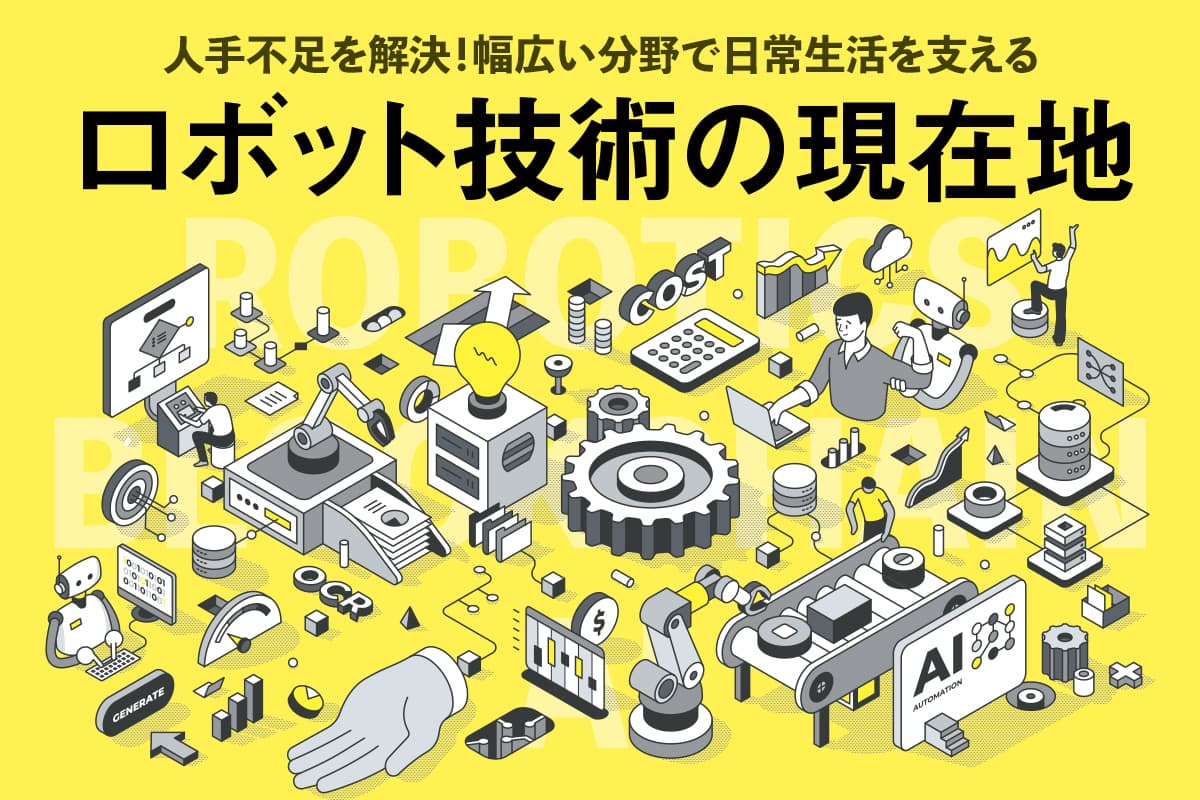
Robots are not only addressing labor shortages but are also capable of flexible task adaptation through integration with AI. Additionally, blockchain enhances data sharing and reliability, evolving into a decentralized and advanced industrial infrastructure.
Concrete implementations such as autonomous delivery robots, smart factories, humanoids for convenience stores, and automation in food factories are progressing across various sectors. These are spreading as practical solutions to on-site challenges like labor shortages and inefficient operations.
The shift from cloud dependency to edge AI enables real-time processing and low latency. With advancements like NVIDIA's Physical AI, robots are nearing a 'singularity-like transformation' where they autonomously make decisions and act in the real world.
Starting with the customer service humanoid robot "Pepper" from SoftBank shops, and the "serving robots" active in family restaurant chains like Skylark Group, opportunities to see robots working in everyday settings are increasing. Industrial robots, which take over tasks in factories, contribute to alleviating the severe domestic labor shortage. They are being utilized in a wide range of fields such as welding, assembly, and painting.
On the other hand, in industries like food, pharmaceuticals, and cosmetics, automation has been delayed due to handling irregular and variable products. In the logistics industry, the spread of online shopping during the COVID-19 pandemic has increased the volume of parcels handled. With the increase in drivers' working hours and workload, labor shortages are a concern, and the use of "autonomous delivery robots" is urgently needed. The introduction of robots is becoming an urgent issue.
In recent years, technologies that go beyond mere labor reduction are beginning to emerge. Robotics has a very high compatibility with AI. By combining AI, which acts as the brain, with the hardware of robots, it is believed that the weaknesses of industrial robots, which are unsuitable for tasks involving changes or troubleshooting, can be compensated for.
Furthermore, the compatibility with blockchain is also extremely high. Robots generate vast amounts of operational logs and sensor data, but traditional industrial systems were controlled by a central system. This always posed the challenge of a "single point of failure," where a server failure could halt the entire factory's operations.
By utilizing blockchain, operations can continue even if part of the system fails, and it is possible to prevent data tampering and ensure secure sharing. Additionally, autonomous program execution by robots, mutual information sharing, and cooperative task execution can also be realized. This time, we introduce cutting-edge use cases that incorporate AI and blockchain into robotics.
Traditional AI inference involved sending information obtained from sensors and cameras to the cloud via the internet for analysis on physical servers.
However, this method cannot avoid the risk of performance degradation due to communication delays or failures. Therefore, the focus is increasing on "edge AI," a system that performs immediate data analysis on devices at the site (edge devices). Since processing can be completed within the device, it offers high real-time performance, reduces communication costs, and enhances privacy protection.
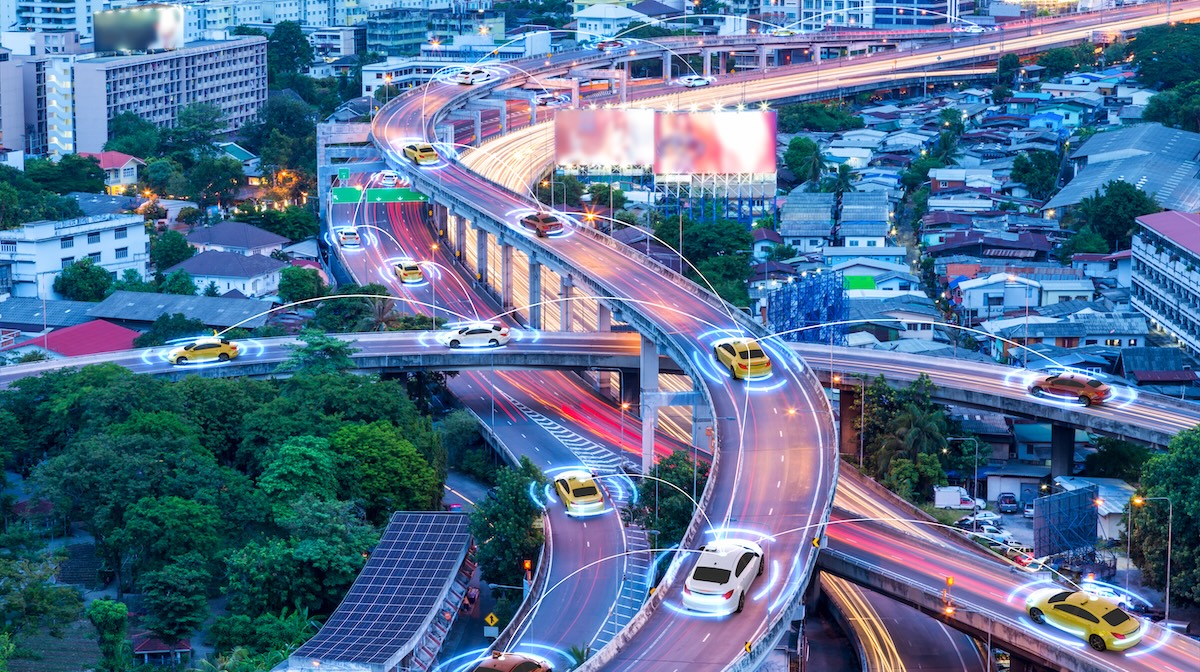
Edge AI is advancing in fields such as "autonomous driving," where it analyzes data from onboard cameras and sensors to detect obstacles and avoid collisions in real-time. Efforts are also underway to analyze bus and train operation data with edge AI to utilize it for congestion prediction and dispatch management.
In the manufacturing industry, it is introduced as a core technology of smart factories. It processes data obtained from cameras and sensors within the factory, utilizing it for anomaly detection and quality control. Additionally, its adoption is expanding in diverse fields such as healthcare, logistics, and more.
Google developed the "TPU (Tensor Processing Unit)," a processor designed for machine learning. It is designed to perform calculations of multi-dimensional arrays at high speed.
Compared to traditional CPUs (Central Processing Units) and GPUs (Graphics Processing Units), it is characterized by its ability to perform matrix and tensor operations required for machine learning more quickly and efficiently. Currently, it is being utilized in the training of large-scale language models like Gemini and in the field of ad targeting.
NVIDIA's market capitalization is leading the world. The driving force behind this is its unique development platform "CUDA." Designed for NVIDIA's GPUs, it allows programs to run on GPUs. The accelerated adoption of CUDA is expanding the company's advantage.