Lessons from Manchukuo's Currency Wars for the Cryptocurrency Era
Key Points of This Article
1. The Proliferation of Cryptocurrencies and Manchukuo's History The current proliferation of over 37 million types of cryptocurrencies mirrors the currency wars in Manchukuo, where 136 types of paper money once vied for supremacy. Excessive currency confusion leads to economic turmoil, and historically, an overabundance of currencies has paralyzed markets.
2. Political Maneuvering and Currency Annihilation In Manchukuo, various forces, including Japan, the Kuomintang, and the Communist Party, engaged in currency manipulation and unification battles. However, due to deteriorating resource procurement and rampant inflation, currencies lacking political and economic trust were annihilated, replaced by a new unified currency.
3. The Essence of Trust Surviving Through Selection In the modern era, a quiet selection process is already underway for some cryptocurrency brands. The competition among cryptocurrencies hinges not only on technological aspects but also on how much social trust they can garner. As history proves, only currencies that gain unwavering trust ultimately survive.
Currently, cryptocurrencies have expanded to 37 million types. What fate awaits currencies that are over-selected? The history of Manchukuo, where a currency war without gunfire unfolded, teaches us that only those who gain 'trust' survive.
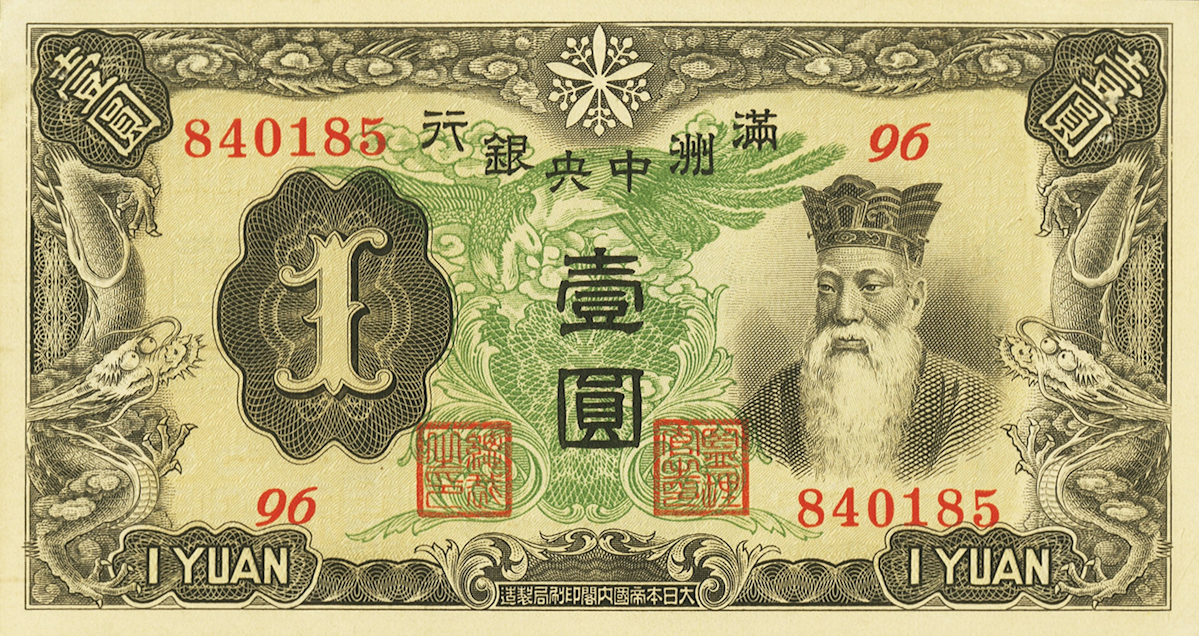
This Issue's Currency: 'Manchukuo Central Bank 1 Yen Note (Type B 1 Yen Note)'
The Manchukuo Central Bank notes were initially modified notes of the Eastern Three Provinces Official Bank due to the urgent need for operation. This note was a new style issued from 1935, aligning with the styles of the Bank of Japan and the Bank of Korea. Size: 67mm x 128mm, Issuing Country: Manchukuo, Issuing Period: 1935–1945
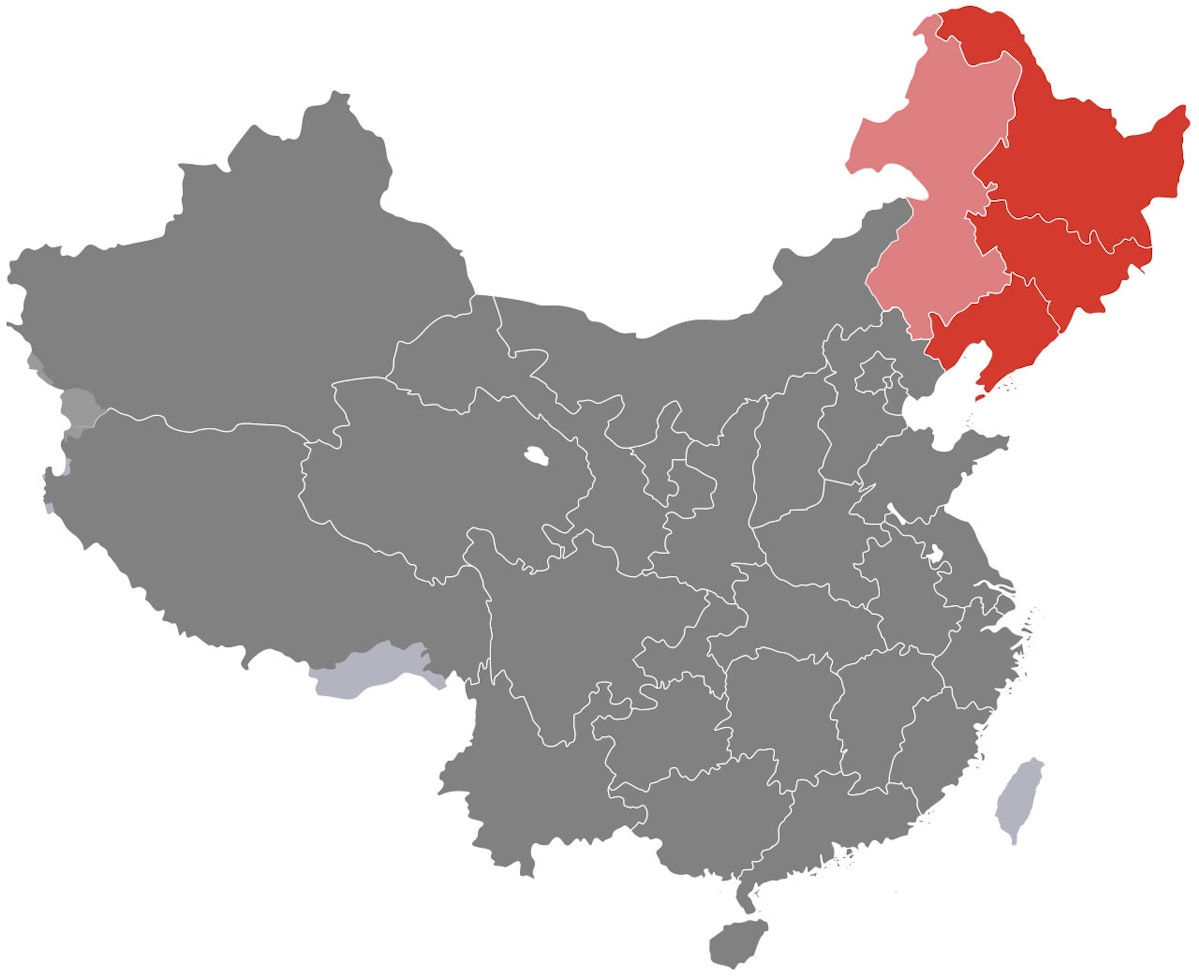
Few people are aware of how many cryptocurrency brands exist worldwide. According to the price tracking site CoinMarketCap, there are over 37 million cryptocurrencies globally. Of these, 17,000 to 18,000 have actual trading activity, with around 200 being actively traded. An excessive range of choices can lead to unnecessary confusion, especially in currency. This time, we introduce an example of conflicts caused by the variety of currencies. The stage is set in Northeast China in 1932, in the now-defunct Japanese puppet state of Manchukuo.
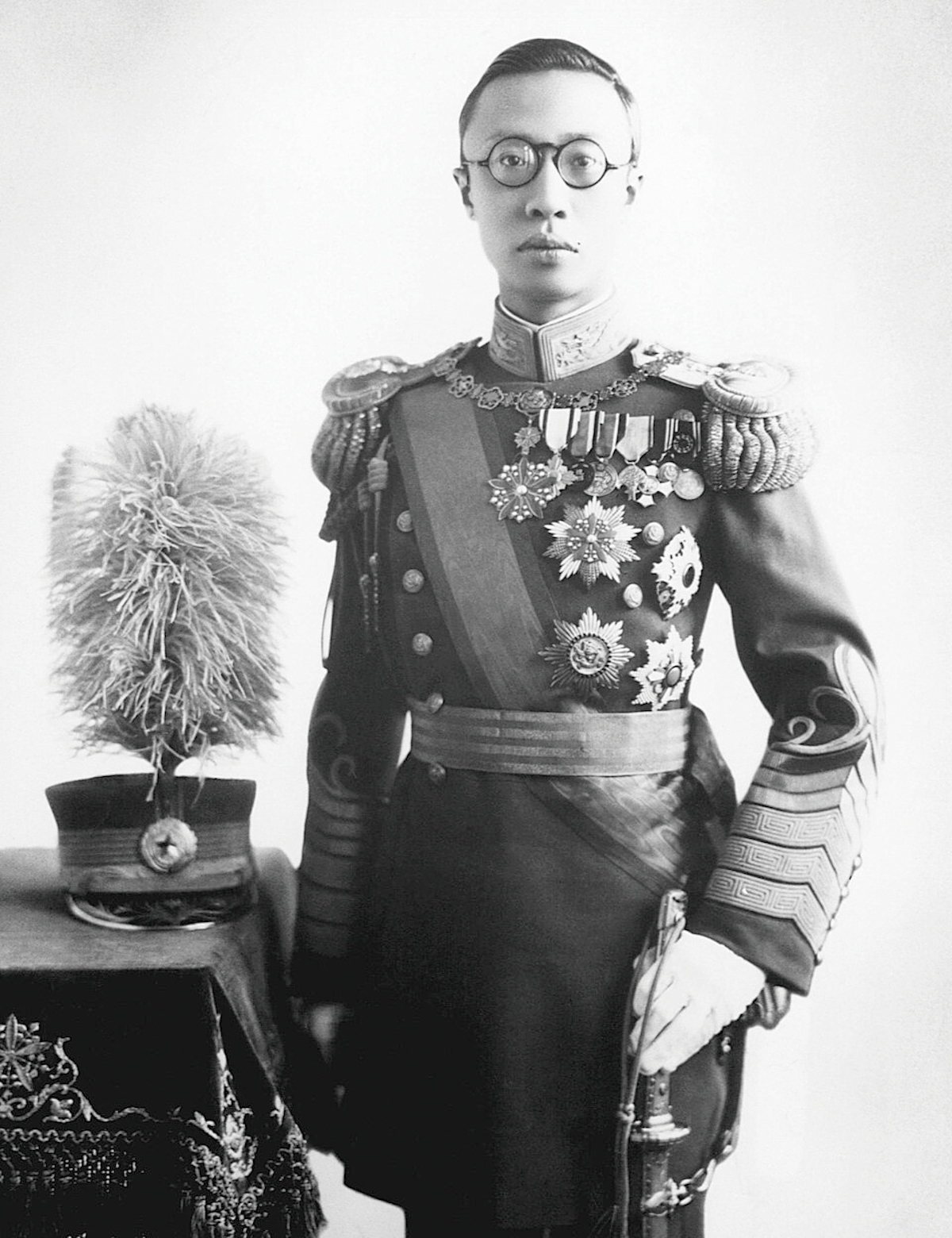
In 1932, Japan established a puppet state in Northeast China. Although the last Qing emperor, Puyi, was installed as the head of state, real power was held by the Kwantung Army.Emperor of Manchukuo 'Aisin Gioro Puyi', the last emperor of the Qing dynasty, abdicated as a child due to the Xinhai Revolution. In 1934, he was installed as the emperor of Manchukuo by Japan, but political power remained with the Kwantung Army, leaving him as a nominal head of state.
Originally, Manchuria was not part of Chinese civilization, but it came to be regarded as part of China after the Jurchen people of this region established the Qing dynasty and unified China. In 1860, with the signing of the Treaty of Beijing, Inner Manchuria was ceded from the Qing to the Russian Empire, and Outer Manchuria became a leased territory of the same empire.
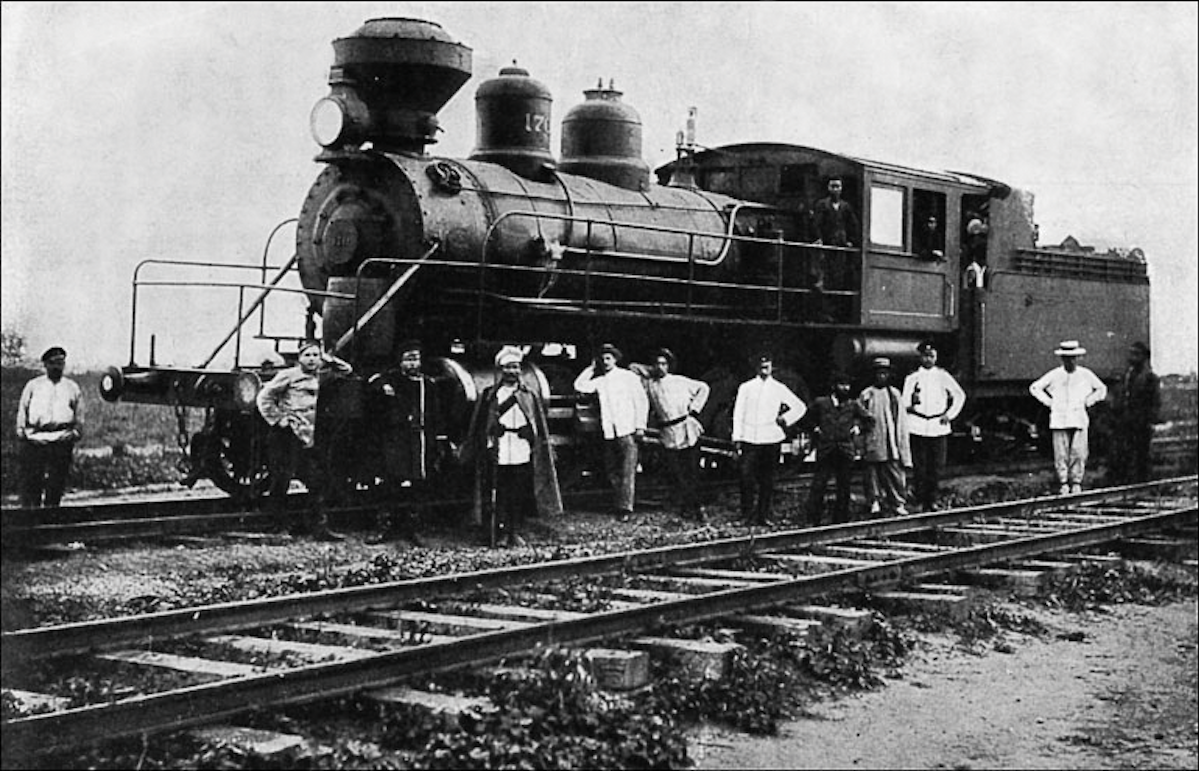
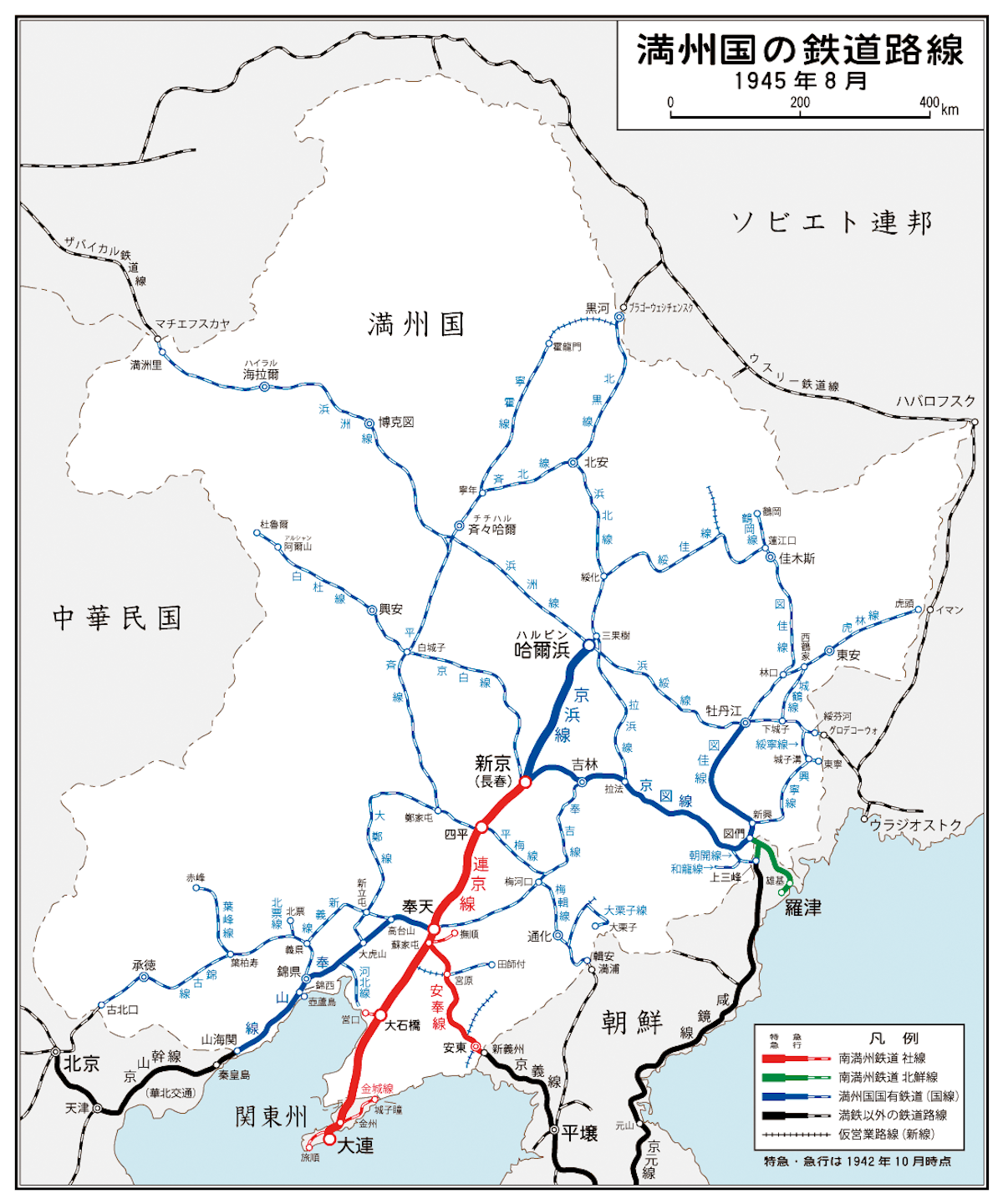
In February 1891, Russia officially decided to construct the Trans-Siberian Railway, and by 1903, a railway was laid in the Eastern Three Provinces, which would later become Manchuria. The Russian Empire directly operated this railway. The railway, capable of transporting large quantities of goods and troops from Moscow to the Far East, was seen as a threat by Japan, which wanted to use the Korean Peninsula as a military buffer zone at the time.
In 1904, the Russo-Japanese War broke out, and Japan emerged victorious. Japan demanded the transfer of the railway line south of Changchun in addition to reparations, aiming to ease military pressure. This later became the South Manchuria Railway (Mantetsu), a major conglomerate that not only managed railways but also developed coal mines around stations, supporting the economy of the Eastern Three Provinces area.
The world's longest railway laid by the Russian Empire to connect Siberia to the Far East. Construction began in 1891 and was completed in 1916. The line extended into the Eastern Three Provinces, which would later become Manchuria, and its capacity for mass transportation heightened Japan's vigilance.
The article is for members only. Please sign up to continue reading.
MAGAZINE
Iolite Vol.21
September 2026 issueReleased on 2026/07/30
Interview Richard Teng, Co-CEO, Binance
Taisuke Isono, Head of Nikko Open Innovation Lab & DeFi Technology Department, SMBC Nikko Securities Inc.
Hiroshi Kamiwaki, Director & Head of Crypto Asset Finance Business, Fintertech Co., Ltd.
PHOTO & INTERVIEW Yusaku Nakano
Feature Story: "Survival Strategies for Crypto Exchanges — The New Order Post-FIEA Transition"
Interview
Tomoyuki Isaka, President & Representative Director, CEO, Coincheck, Inc.
Takaaki Fujiwara, Executive Vice President & Director, Mercury Inc.
[Dialogue Series] The NISHI Talk: Crypto Conversations
"Social Implementation Beyond Merely Holding Bitcoin"
Kasou NISHI × Rintaro Kawai, President & Representative Director, ANAP HOLDINGS Co., Ltd.
Series: Tech and Future Toshinao Sasaki ...and more
MAGAZINE
Iolite Vol.21
September 2026 issueReleased on 2026/07/30
Interview Richard Teng, Co-CEO, Binance
Taisuke Isono, Head of Nikko Open Innovation Lab & DeFi Technology Department, SMBC Nikko Securities Inc.
Hiroshi Kamiwaki, Director & Head of Crypto Asset Finance Business, Fintertech Co., Ltd.
PHOTO & INTERVIEW Yusaku Nakano
Feature Story: "Survival Strategies for Crypto Exchanges — The New Order Post-FIEA Transition"
Interview
Tomoyuki Isaka, President & Representative Director, CEO, Coincheck, Inc.
Takaaki Fujiwara, Executive Vice President & Director, Mercury Inc.
[Dialogue Series] The NISHI Talk: Crypto Conversations
"Social Implementation Beyond Merely Holding Bitcoin"
Kasou NISHI × Rintaro Kawai, President & Representative Director, ANAP HOLDINGS Co., Ltd.
Series: Tech and Future Toshinao Sasaki ...and more