
1. The Fusion of AI Agents and Cryptocurrencies
The proliferation of AI agents that autonomously conduct transactions has heightened the need for blockchain as infrastructure to manage vast amounts of transactions. In a machine-to-machine economy independent of human intervention, payments through cryptocurrencies offer the optimal solution.
2. Clear Regulations Attract Institutional Investors
Japan has established a legal framework for Web3.0 ahead of the world, clarifying the rules. This regulatory clarity is a major strength in attracting global investments domestically by encouraging major banks and institutional investors to move assets on-chain.
3. The Future of Decentralized Infrastructure and Real-World Assets
From an investment perspective, the trends for the next 5 to 10 years include DePIN (Decentralized Physical Infrastructure Networks) that share dormant computing resources and the tokenization of real-world assets (RWA). Cryptocurrencies are transitioning from mere experimentation to a phase of full-scale industrialization.
── First, could you tell us about your career as a researcher and your role at CGV?
Mao Shunqi (Mao): I earned my bachelor's degree from New York University and my master's from Cornell University, both in computer science. Therefore, my foundation is in computer science. After graduation, I became a senior engineer at an investment management company. There, I learned the basic concepts of financial analysis and how to integrate financial concepts with computer science.
It was around this time that AI began to evolve rapidly. The integration of AI and Web3.0 started to be discussed, bringing blockchain technology into my focus. This prompted me to start learning these concepts, eventually leading me to join CGV as a researcher.
My daily work at CGV primarily involves engineering data pipelines for both on-chain and off-chain data. Now, I use AI agents to write code, which gives me more time to read papers and learn new technologies. I am positioned as both a coder and a researcher leveraging AI.
── What do you think is the biggest change in crypto brought about by the advent of AI?
Mao: The biggest change is undoubtedly AI agents. When LLMs were merely a natural language processing technology, they only predicted tokens with a high probability of price increase. But now, with the right prompts, agents can autonomously proceed with tasks. As numerous AI agents begin to work in the financial sector, they will need to interact with tools, other agents, humans, and entities to conduct transactions.
These transactions are so vast that they cannot be managed like the current banking system. Therefore, I believe the emergence of agents has significantly increased the necessity for crypto and blockchain.
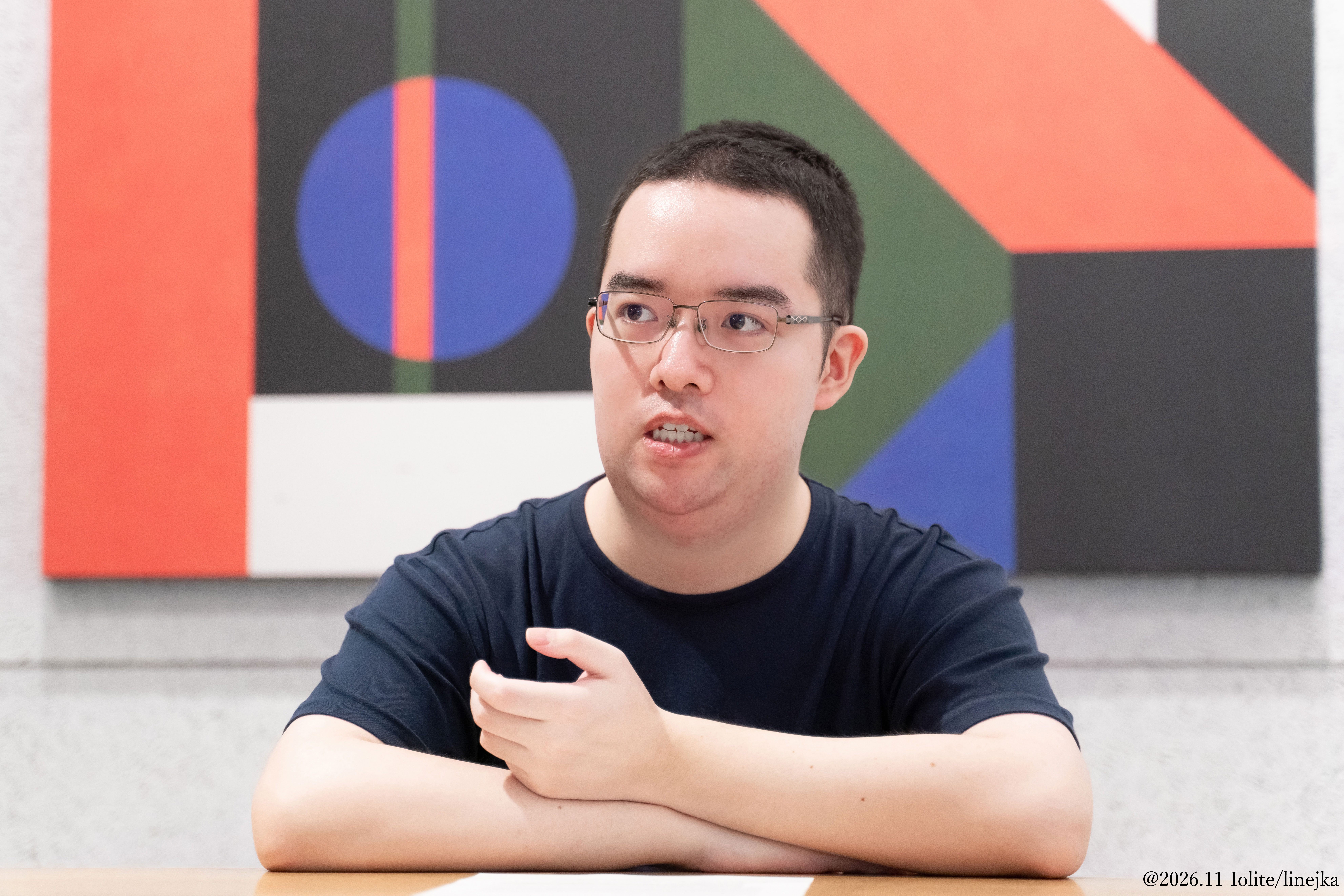
── What strengths do you perceive in Japan while researching Web3.0, and what are the challenges and interesting aspects of your research?
Mao: The greatest strength is regulatory clarity. Japan is a pioneer in establishing a legal framework. When rules are ambiguous, especially large companies cannot decide whether to place assets on-chain. In fact, major companies like SoftBank are forming investment teams and moving assets on-chain.
This reflects the commitment of institutional investors and attracts global investment to Japan itself. While some say the regulations are too strict, I see them as a factor that attracts large companies to a maturing industry.
The challenge is the constant need for interdisciplinary learning. It involves not only computer science and mathematics but also cryptography, with papers filled with unfamiliar terms. Moreover, distinguishing between genuine innovations and short-term profit motives is crucial. However, the satisfaction of seeing my analysis become a reality within 2-3 years is immense. That's where the excitement of the work lies.
──How should companies and investors utilize specialized data like the reports distributed by CGV?
Mao: The reports should be used as 'navigators' or 'technical blueprints.' They are tools to distinguish truly valuable technologies from those with low entry barriers, rather than simple buy-sell guides. I focus not just on superficial indicators like TVL (Total Value Locked), but on whether there is actual demand for users to utilize the crypto and whether there is product-market fit. The stance is for each individual to make their own judgments.
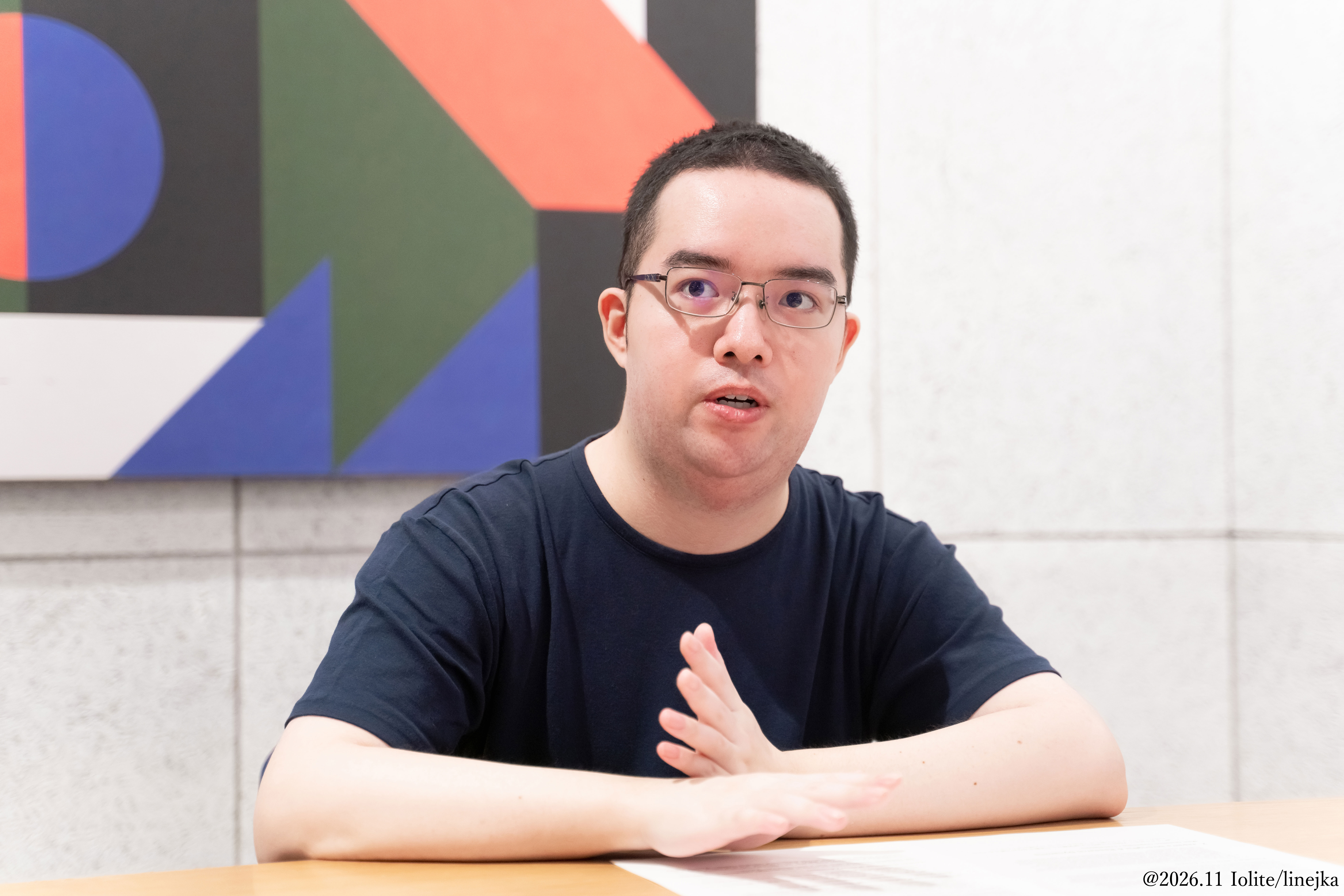
──Traditional finance (TradFi) players are increasingly entering the Web3.0 industry. How do you view the current trend?
Mao: At least in Japan, crypto is transitioning from the experimental phase to the industrialization phase. Major banks and corporations are seriously engaging in on-chain asset management and tokenization of government bonds. When the internet first emerged, people saw it as a tool for chat and games, but its true value was understood when banks moved transactions online. I believe crypto and blockchain are at a similar juncture now.
However, I don't think all finance will be replaced. What I see as most important is the 'machine-to-machine economy.' AI agents do not have identities like humans, which makes using crypto for their transactions logical.
──Which sectors should be particularly noted from an investment perspective? Also, what do you wish to achieve as a researcher?
Mao: I am most focused on DePIN (Decentralized Physical Infrastructure Network). It's like an 'Airbnb for computing power.' While there is a high demand for AI chips, there is a vast amount of unused computing resources in households.
Lending these resources to those in need and earning rewards in return aligns very well with the original crypto ethos of 'participation and reward.' Next, I am interested in the tokenization of real-world assets (RWA) and the autonomous agent economy. These will expand over the next 5 to 10 years.
My personal goal is to shift my focus from a backend coder to a 'strategist.' I want to direct agents, verify results, discern trends, and learn new technologies—this is the part of research I want to focus on moving forward.
Finally, one thing to note: our reports are resources for learning, not to be blindly trusted. Both AI and I can make mistakes. The data indicates whether there is genuine market demand for the technology. I encourage you to interpret this with your own mind.
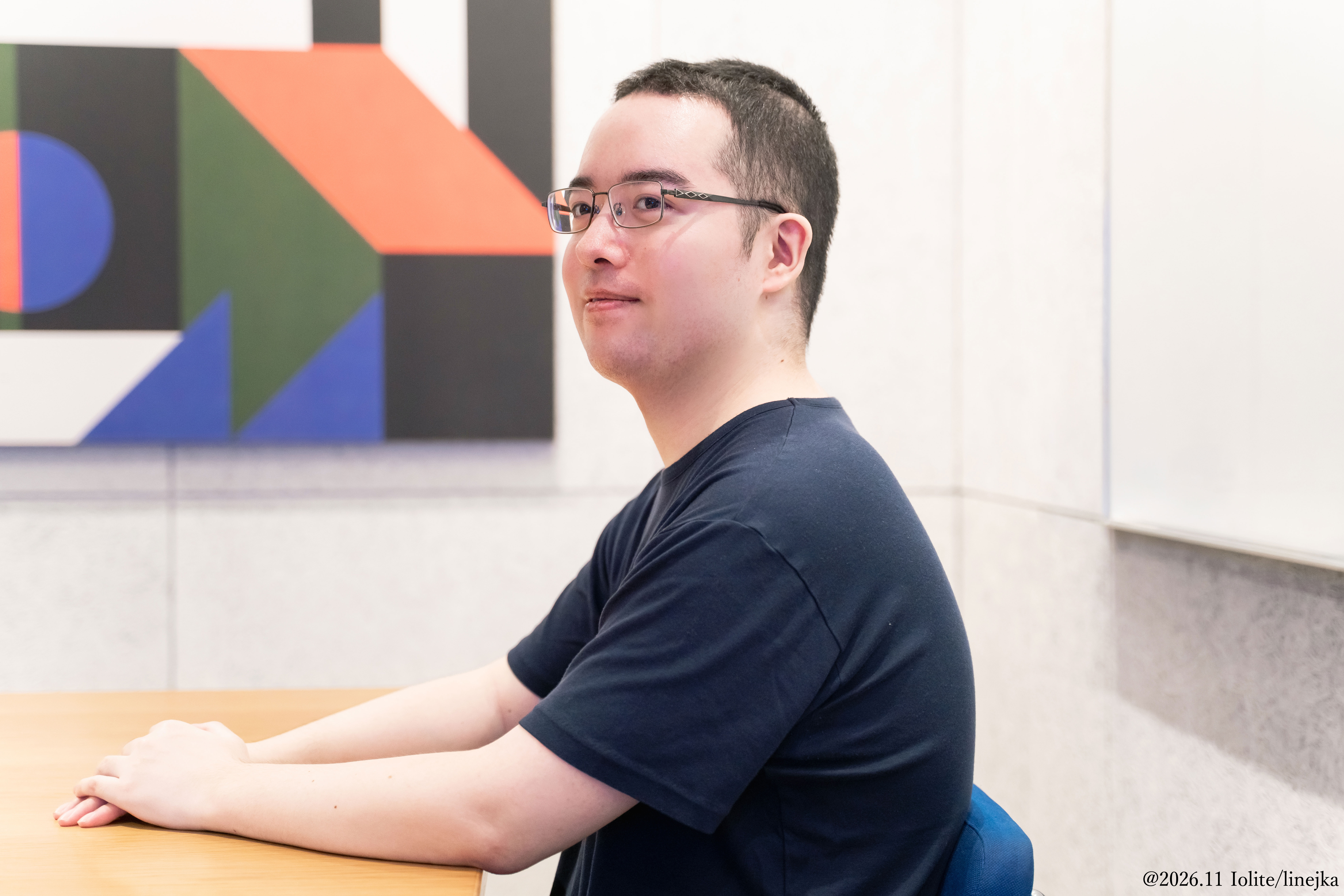
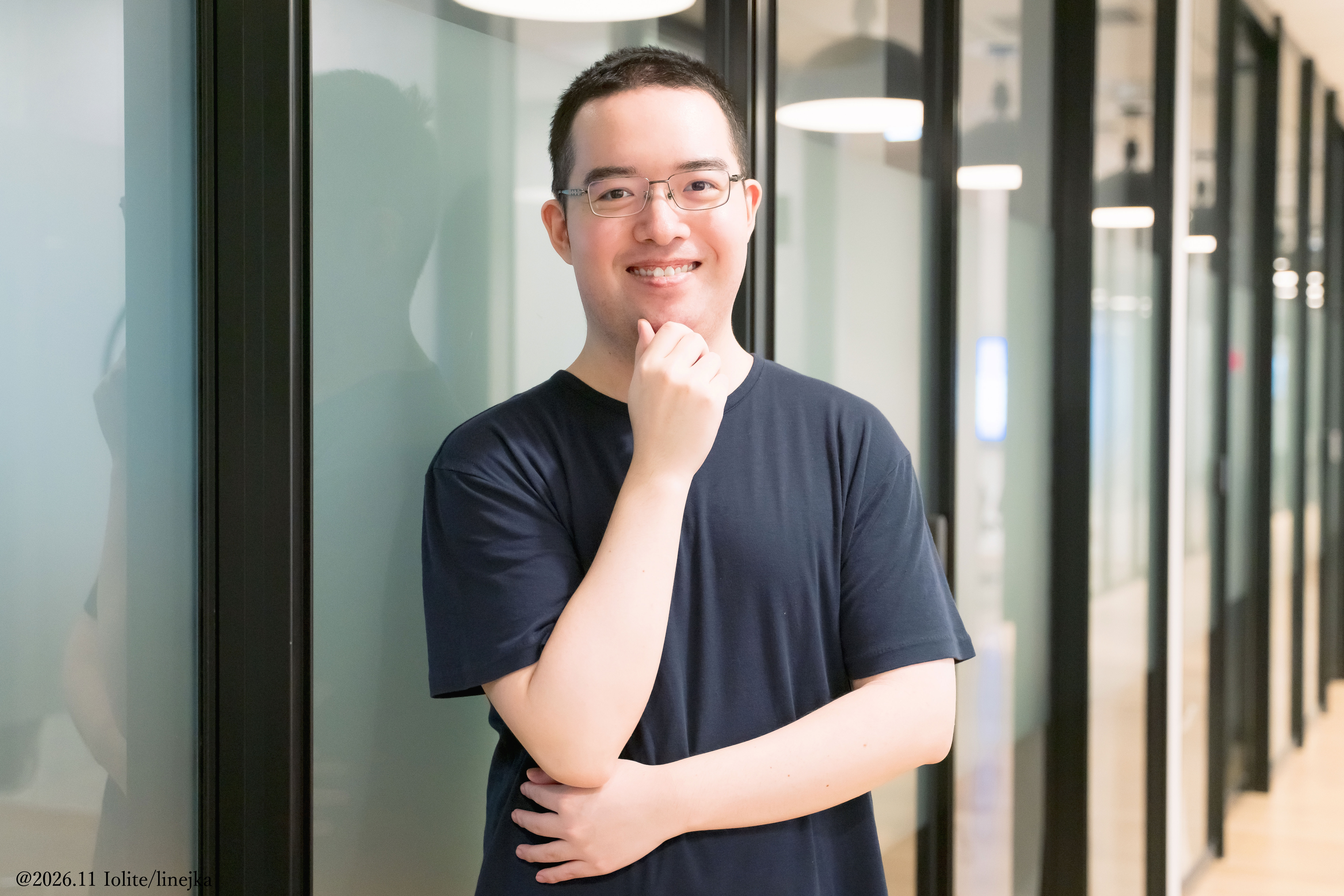
◉ Mao Shunqi
CGV FoF Researcher
Holds a bachelor's degree from New York University and a master's degree from Cornell University, both in computer science. After serving as a senior engineer at an investment management company, he assumed his current position. He researches the intersection of AI and Web3.0, focusing on on-chain and off-chain data analysis.
Photography cooperation: WeWork Hibiya FORT TOWER
The Inevitable Fusion of AI Agents and Web3.0 Infrastructure: 'OKJ Academy' 3rd Event Report


