A Circle shareholder filed a shareholder derivative lawsuit on Oct. 22 in federal court in Washington, D.C., against President Donald Trump, World Liberty Financial (WLF), and others. Circle is the issuer of USDC, a stablecoin pegged to the U.S. dollar. The suit alleges that Trump received foreign emoluments prohibited by the Constitution through a crypto deal involving the UAE.
The plaintiff is J. Benjamin Greenberg, a former Circle software engineer who holds 10,000 shares of the company’s Class A stock. In addition to Trump, the defendants include WLF, four of its affiliates, and Steve Witkoff, the special envoy to the Middle East and a co-founder of WLF. Because the plaintiff is suing on Circle’s behalf, Circle is named as a “nominal defendant.”
A Circle spokesperson said, “This lawsuit was filed by an individual shareholder, not by Circle. The company did not initiate, direct, authorize, or participate in the filing.” WLF spokesperson David Wachsman said, “These claims are baseless, and we look forward to resolving them in court.”
White House Principal Deputy Press Secretary Anna Kelly called it “yet another frivolous lawsuit that rehashes the same tired playbook Democrats have used against the President, his family, and his administration for a decade,” and maintained there is no conflict of interest. Spokesperson Lauren Bis added that Trump’s assets are held in a trust.
The plaintiff is seeking a declaration that Trump’s conduct is unconstitutional, an injunction against the violations, disclosure of any other payments he has received from foreign sources, disgorgement of ill-gotten gains, and damages. The amount of damages sought was not specified.
According to the complaint, the first deal was an investment by Aryam Investment 1, a firm backed by Sheikh Tahnoun bin Zayed Al Nahyan, the UAE’s national security adviser. On Jan. 16, 2025, four days before Trump took office, Aryam agreed to acquire a 49% stake in WLF for $500 million, the complaint says. Citing Trump’s financial disclosure, the complaint states that the stake sale brought $262.5 million to Trump family-affiliated entities in 2025, and the plaintiff alleges that about $75.5 million of that amount flowed to them after Trump’s inauguration.
The second deal was a $2 billion investment in Binance announced in March 2025 by MGX, an Abu Dhabi investment firm chaired by Tahnoun. In May of that year, it was disclosed that the investment would be settled in USD1, WLF’s stablecoin. The plaintiff alleges that this caused USD1’s circulating supply to surge and generated interest income for Trump.
The plaintiff argues that these deals gave USD1 a competitive advantage Circle could not match, allowing it to take business away from Circle. To explain why he did not first ask Circle’s board to bring the lawsuit, the plaintiff points to factors including Binance’s $100 million investment in Circle in September 2026.
The bulk of Circle’s revenue comes from income on the reserves backing USDC. In the April–June quarter of 2026, reserve income was $668 million, accounting for about 95% of total revenue of $701 million. Had MGX’s $2 billion been issued as USDC, it would have generated about $69.6 million a year in reserve income at that quarter’s reserve yield of 3.48%. This is a rough estimate before distribution costs and other expenses, not the amount of damages the plaintiff is claiming.
As of Oct. 19, USD1 had a market capitalization of about $4.02 billion, roughly 5.5% of USDC’s circulating supply of about $73 billion as of Oct. 8. MGX’s $2 billion is equivalent to about half of USD1’s current supply.
Several lawsuits over the Foreign Emoluments Clause were also filed during Trump’s first term. However, none succeeded in recovering money from Trump. In January 2021, for example, the Supreme Court sent some of the cases back to the lower courts with instructions to dismiss them as moot.
On the same day, Sen. Richard Blumenthal, the ranking Democrat on the Senate Permanent Subcommittee on Investigations, sent letters to Tether and Nxum Group, a consulting firm co-founded by Bo Hines, who previously handled crypto policy at the White House. Blumenthal asked Tether to respond by Tuesday, Nov. 3, 2026, regarding its payments to Nxum. Hines now heads Tether’s U.S. business. Tether has said that an investigation by outside counsel found no evidence of wrongdoing.
Circle’s shares closed at $86.62 on Oct. 22, down 3.44% from the previous day. The broader crypto market also fell that day, so it is unclear whether the drop was related to the lawsuit. Circle is scheduled to report its July–September quarter results on Wednesday, Nov. 4, 2026.
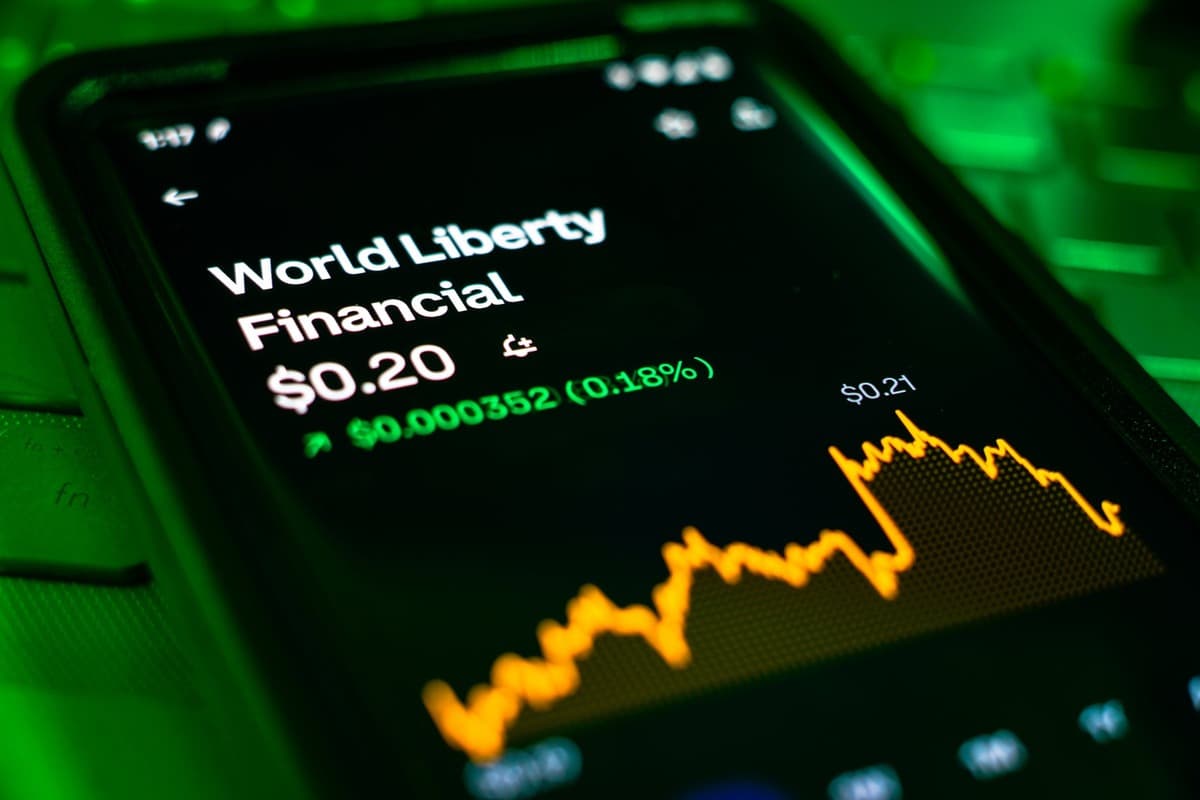
Image:Shutterstock
SBI and US Circle to establish joint venture; USDC transactions to begin on the 26th