


The Financial Services Agency’s working group (WG) signaled a phased transition that will bring crypto-asset exchanges under regulations closer to those of the Financial Instruments and Exchange Act. The direction includes stricter market surveillance, more robust listing examinations, enhanced investor protection, mandatory reserve requirements, and multi-layered security standards—effectively redesigning the framework to match capital market norms.
This is not mere tightening of rules; it represents a major structural upgrade aimed at transforming Japan’s crypto market into sustainable financial infrastructure.
JVCEA, JBA, and JCBA jointly announced comprehensive enhancements to self-regulation, including establishing an external expert review committee, overhauling market surveillance functions, and reinforcing security standards.
With over 13 million domestic accounts, governance reforms are now underway to close the gap between regulatory intentions and on-the-ground practices—addressing inconsistencies across operators, misinformation issues, and inadequate risk disclosures.
The message is clear: the industry must begin preparing proactively rather than waiting for formal legal amendments.
Stricter suitability assessments (including limits based on user attributes), standardized listing criteria, JPX-level surveillance of unfair trading, and a three-layer security architecture will significantly improve user safety and transparency.
Intermediary services and yield-bearing products such as lending and staking are also being formalized, reducing ambiguity and operational risk.
As regulatory, operational, and technological standards are upgraded simultaneously, Japan is now entering a new decade of development—positioning itself as one of the most competitive and trusted crypto markets globally.

In November 2025, the Financial Services Agency's 'Cryptocurrency System Working Group (WG)' presented a draft report that envisions a fundamental redesign of the domestic market.
The direction indicated suggests a potential phased transition of cryptocurrency exchange operators from the current framework centered around the Payment Services Act to a capital market-level discipline, i.e., a supervisory system based on the Financial Instruments and Exchange Act, representing a significant leap beyond the existing discussions on cryptocurrency regulations.

In response, three industry associations, JVCEA (Japan Virtual and Crypto assets Exchange Association), JBA (Japan Blockchain Association), and JCBA (Japan Cryptocurrency Business Association), jointly issued a statement. They committed to enhancing governance, third-party auditing of review processes, and raising the bar on unfair trade monitoring and security standards, based on the WG's draft.
Currently, the number of cryptocurrency accounts in Japan has surpassed 13 million, maintaining a substantial trading population. However, the market faces accumulating challenges on both regulatory and operational fronts, including increased price volatility risks, the spread of misinformation primarily via social media, a surge in cyber-attacks, and inconsistencies in risk disclosure and customer suitability standards among operators.
The FSA's draft report outlines a roadmap for regulatory reform focused on 'enhancing consumer protection' and 'improving market integrity,' while maintaining the scope to not stifle innovation. This reform is not merely about tightening regulations but about repositioning the cryptocurrency market as a future financial infrastructure and developing it into a sustainable ecosystem.
The industry groups' statement also clearly shifts the focus from 'past responses' to 'future required standards,' indicating that Japan's cryptocurrency market is entering a phase where it must simultaneously upgrade its systems, operations, and technology.

The discussion on cryptocurrency regulation in Japan has significantly evolved in recent years against the backdrop of international trends and the maturation of the domestic market. Especially since 2021, as market growth and regulatory strengthening have progressed globally, Japan has established a unique position praised worldwide for its early establishment of user-centric regulatory frameworks.
However, as the market size expands and diversifies, the existing frameworks are increasingly unable to address emerging challenges.
The cryptocurrency market has experienced rapid global growth, and between 2024-2025, integration with adjacent sectors such as AI, gaming, and financial infrastructure has advanced, broadening the social implementation of tokens.
Alongside this, the sophistication of cyber-attacks, insider trading, market manipulation, and the spread of high-yield scams on social media have internationally increased incidents of unfair trading and misinformation. These 'changes in the external market environment' prompted the Financial Services Agency's Working Group (WG) to re-examine the entire system.

In Japan, the situation surrounding cryptocurrency exchange operators has drastically changed. When the Funds Settlement Act was amended in 2017, introducing a registration system for cryptocurrency exchange operators, Japan was ironically deemed to have the strictest regulations in the world.
However, subsequent multiple leakage incidents, an increase in new entrants, and a broadening investor base have caused the market reality to outpace the system's expectations at a rapid rate. Currently, as mentioned earlier, the number of domestic accounts has exceeded 13 million, creating an environment where a wide range of users, from beginners to experienced investors, engage in trading.
This market expansion has increased the issues that the system must address. These include inadequate risk explanations to inexperienced users, an increase in speculative trading beyond surplus funds, lack of uniformity in listing criteria leading to opaque listing processes, and discrepancies in user protection levels due to operational differences among operators.
The Financial Services Agency WG discussed the need for a more sophisticated governance system, including the transition to the Financial Instruments and Exchange Act, to address the 'gap between the system and the field.'
Meanwhile, the industry also felt a sense of crisis. Misunderstandings such as 'Japanese operators will withdraw with the transition to the Financial Instruments and Exchange Act' and 'excessive burden of liability reserves' spread on social media, partially overheating the system discussions.
In response, Genki Oda, representative director of JVCEA, stated, 'Liability reserves are a common mechanism required even for securities companies, and their institutionalization will actually increase industry trust.' Misinformation itself is an issue that hinders proper understanding of the system.
The Financial Services Agency's draft report aims to dispel such misunderstandings while expanding the framework for sustaining the cryptocurrency market long-term. The scope of discussions includes user protection, unfair trading surveillance, stringent review processes, and layered security standards, positioning this not merely as a legal amendment but as a comprehensive redesign aimed at strengthening overall market governance.
Given this background, the WG's draft report not only marks a milestone in system discussions but also serves as a crucial foundation for advancing Japan's cryptocurrency market into its next phase.
The joint statement from industry associations also shows a step forward from traditional responses, indicating a commitment to adopt governance standards at the level of the Financial Instruments and Exchange Act. As the market matures, competes internationally, and expands its user base, Japan is poised to construct a new cryptocurrency regulatory model.
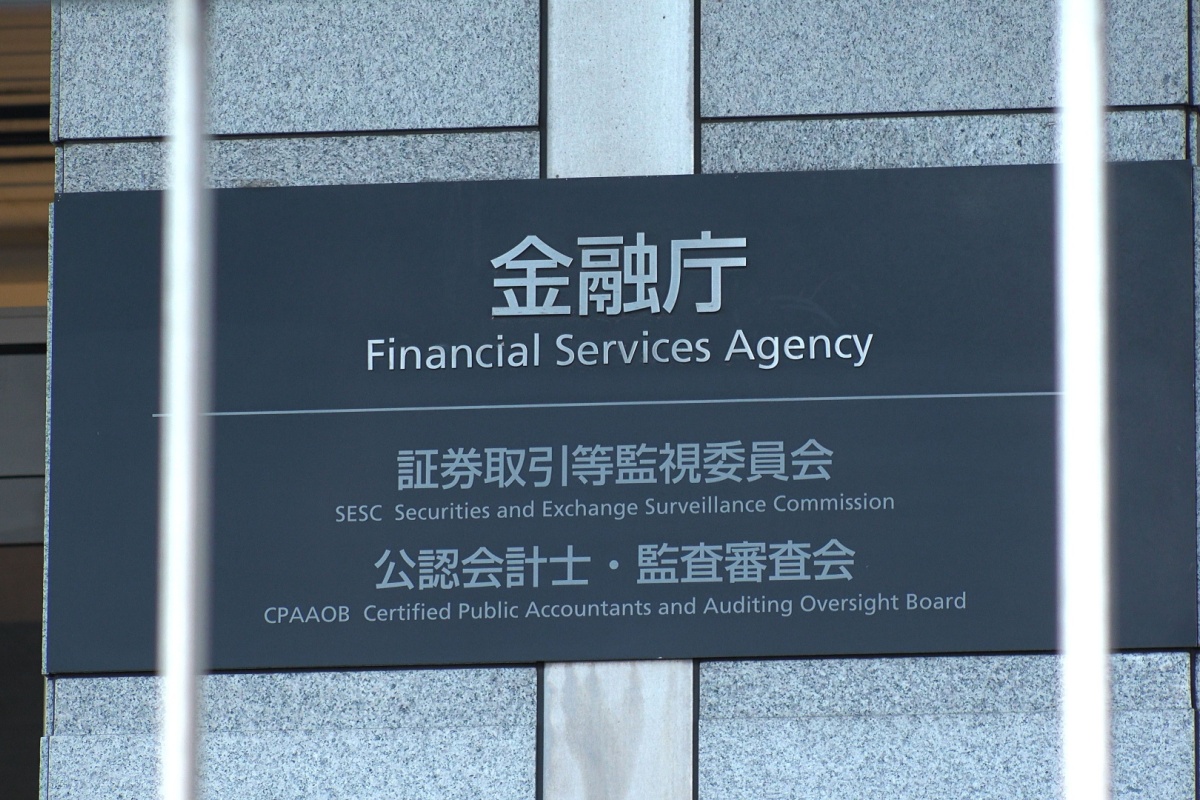
The Financial Services Agency's Working Group (WG) has presented several key points in its draft report to significantly update Japan's cryptocurrency system. At the heart of the system overhaul are ① enhanced user protection, ② improved market integrity, ③ advanced governance and security, with rules surrounding cryptocurrency exchanges being organized to align with capital market standards.
This section summarizes the overall picture of the proposed regulatory reforms and the collective response strategy of JVCEA, JBA, and JCBA.

A distinctive feature of this WG proposal is the clear direction to shift cryptocurrency exchanges from the 'Funds Settlement Act framework' to a 'Financial Instruments and Exchange Act-based discipline'.
The background includes cryptocurrencies (virtual currencies) beginning to exhibit characteristics similar to the securities market, not just as a means of payment but as investment objects, asset formation tools, and financial services including staking and lending.
The WG has organized the following points:
These areas could not be sufficiently regulated under the previous Funds Settlement Act regime, and the redesign responds to the market's strengthened financial market characteristics.

Currently, the screening process for listing crypto assets (virtual currencies) follows a two-step structure: individual exchanges conduct the initial review, and the Japan Virtual and Crypto Assets Exchange Association (JVCEA) performs a secondary check to ensure the appropriateness of the process.
However, as the required expertise has grown—covering areas such as project transparency, technical specifications, risk assessment, and the accountability of project operators—two major issues have come to the forefront: the need for more sophisticated reviews and ensuring neutrality.
In response, the JVCEA will implement the following reforms based on the Working Group’s recommendations:
By introducing third-party oversight, the transparency of the screening process for users will significantly improve, paving the way for industry-wide standards that do not rely on the judgment of any single exchange operator.

Unfair trading has long been considered one of the biggest vulnerabilities in Japan’s crypto asset market. Until now, each exchange managed its own trading data, making it difficult to conduct cross-market analysis. With the Working Group’s proposal and statements from industry organizations, a series of major reforms is now underway:
These reforms mark the first time Japan’s crypto asset market will move toward a full-scale surveillance regime comparable to that of traditional securities markets.

The topic that generated the most buzz on social media in response to the Working Group’s proposal was the introduction of reserve requirements. Some posts argued that such requirements would “push exchanges into bankruptcy” or trigger “a mass exodus from the market.” However, JVCEA Chairman Oda has emphasized that these claims are based on clear misunderstandings.
Key points clarified by the WG include:
Far from being a threat, the institutionalization of reserve requirements is expected to enhance the credibility of Japanese crypto exchanges by demonstrating that they operate on a sound financial footing. According to the WG, this could strengthen their appeal to overseas investors and potential business partners.

Given the highly speculative nature of crypto assets, the Working Group’s proposal calls for a stronger and more consistent application of customer suitability rules.
Key measures include:
While some exchanges are already implementing these measures, the JVCEA aims to standardize practices across the industry to eliminate inconsistencies in how suitability requirements are applied.

Cyberattacks in recent years have grown increasingly sophisticated, evolving from individual hackers to state-level actors. As a result, the security standards required of crypto asset service providers have risen dramatically.
The Working Group’s proposal and industry statements outline a three-tiered framework for enhancing security:
This three-layered “self-help, mutual support, public support” model is positioned as a long-term foundation for strengthening trust and security in Japan’s crypto asset market.

Regulatory reform is not driven by laws alone. The governance of the self-regulatory organization that operates on the front lines—the Japan Virtual and Crypto Assets Exchange Association (JVCEA)—is equally crucial. The JVCEA plans to advance several key initiatives:
A notable point is the JVCEA’s proactive stance: rather than waiting for new laws to take effect, the association is moving ahead with preparations in advance.

Crypto lending has become increasingly common in Japan. Under this scheme, exchanges borrow crypto assets from users and provide yield in return. However, concerns have been raised from a consumer protection standpoint: in some cases, essential information—such as the source of funds used for repayment, counterparty risks, or the financial health of the exchange—has not been disclosed sufficiently.
Meanwhile, staking services offered in Japan differ from the original concept of “earning rewards by participating directly in network validation.” Instead, most domestic services follow a delegated model, in which exchanges pool users’ assets and delegate them to validators on their behalf.
This model carries staking-specific risks, including:
Reflecting these realities, the Working Group is considering strengthening rules for both staking and lending, with a focus on user protection. Potential regulatory directions include institutionalized management of customer assets, mandatory establishment of appropriate internal controls, and conduct regulations for service providers.
Another common theme across both services is customer suitability. To prevent speculative use beyond users’ financial capacity, discussions include setting trading and holding limits and introducing restrictions based on user attributes. Such measures are expected to establish a regulatory foundation that enables yield-generating services to operate sustainably over the long term.
Importantly, this regulatory reform does not aim to suppress yield services themselves. Rather, it seeks to redesign lending and staking as transparent, explainable financial services. By acknowledging the inherent volatility and counterparty risks unique to crypto assets and enabling users to make informed decisions, the new framework aims to foster a healthier market environment. As a result, Japan may be laying the groundwork for sustainable growth of yield-related services in the years ahead.

The Working Group also highlighted the need to establish a clearer regulatory framework for brokerage services, an area that has recently attracted attention. In Japan, services have emerged that not only offer crypto trading through domestic exchanges but also indirectly provide access to other companies’ platforms or overseas exchanges.
However, under the current regulatory structure, the role and responsibilities of brokers remain ambiguous. In some cases, these services are offered without clear rules governing the scope of liability, risk disclosure obligations, or the level of user protection required.
The WG has indicated that brokers must have clearly defined responsibilities as service providers and that an appropriate registration and disclosure framework should be established. Specifically, brokers should ensure that users are not misled by clearly disclosing:
In addition, when brokers connect users to overseas services, they may be required to conduct certain checks regarding the foreign operator’s regulatory compliance, asset management standards, and governance practices.
From a user’s perspective, brokerage services offer convenience, but the unclear identity of the actual service provider can be a source of risk. Thus, formalizing the regulatory position of brokers is essential.
Regulations on brokerage services are expected to form a key institutional framework—one that not only enables new money flows and business models in Japan’s crypto market but also ensures robust consumer protection.
As discussions progress between the Financial Services Agency and industry groups, governance requirements and disclosure obligations for brokers are likely to be clarified and introduced in stages.

The Working Group’s draft report and the industry’s response represent far more than a simple legal amendment. Rather, they amount to a comprehensive upgrade designed to move Japan’s crypto asset market into its next stage of growth.
The reforms simultaneously elevate:
This all-at-once enhancement across regulatory, operational, and technical dimensions is the core essence of the reform package.

The proposed reforms outlined in this report merely set the direction, with no fixed dates yet for the enactment and implementation of the laws. However, both the Financial Services Agency and industry groups have emphasized the need to advance practical preparations, and the schedule for transitioning to the new system has accelerated more than ever before.
In the WG, following the draft report, the next stage involves drafting the legislation, preparing executive orders and Cabinet Office orders, revising JVCEA's self-regulatory rules, and reviewing operational systems of businesses. Normally, there is a significant period between legislative amendments and their implementation, but the distinctive feature of this cryptocurrency system reform is the need for early preparation, driven by market expansion and changing international trends.
Oda from JVCEA also clearly stated, 'It is crucial not to wait for legislative changes but to start preparing the system in advance,' and the industry has already begun taking concrete actions towards reform even before the system is finalized.

Regulatory reforms are expected to progress in phases, but there are clear points that exchanges need to prepare for early on.

● Review Process (Listing Procedures)
● Customer Suitability
● Monitoring Unfair Trading
● Security Measures
● Liability Reserves

Regulatory reforms may also bring changes to the trading environment for users.
● Stricter Account Opening Reviews
● Trading and Holding Limits
● Transparent Listing Reviews
● Reduction in Unfair Trading

Since regulatory reforms will have a significant impact on the entire market, it is essential for both operators and users not to be overly swayed by 'regulatory anxiety' and to correctly understand the intent of the regulations.
Especially for operators, as review and market surveillance become more sophisticated, greater emphasis will be placed on disclosure and accountability. Revising user FAQs and risk explanation materials to appropriately convey the content and impact of regulatory changes is required.
On the other hand, it is increasingly important for users to correctly understand the content of the regulations, taking into account the characteristics and volatility of cryptocurrencies, and the risks associated with investing. As the market matures, it is recommended to utilize educational and awareness-raising efforts by organizations such as J-FLEC (Japan Financial Literacy and Education Council) to enhance information literacy.
Overall, the current regulatory reforms are expected to progress 'in phases and ahead of schedule,' and while the legislative schedule is yet to be confirmed, the content of the regulations has already started to take effect.
These efforts are laying the foundation for Japan's cryptocurrency market to advance into the 'next decade,' with simultaneous updates in regulation, operation, and technology.
.jpg)
The draft report by the Financial Services Agency's Working Group (WG) merely outlines the 'framework of the system' to elevate the cryptocurrency market to a more mature financial infrastructure.
From here, a multi-layered market upgrade will proceed, involving legislative amendments, self-regulation, and operational improvements by businesses. This section summarizes the perspectives shared by the Financial Services Agency, industry groups, and Oda, the representative director of JVCEA, on the future market environment.
Following the compilation of the draft report, the Financial Services Agency is expected to transition to the next steps, which include:
These initiatives will not proceed in isolation but will be collaboratively advanced by the Financial Services Agency (public assistance), industry groups (mutual assistance), and exchange operators (self-help). The nature of financial legislation, which improves through use, suggests that multiple guidelines and rules will be updated progressively through 2025-2026.
The role of industry groups is also set to change significantly. JVCEA is expected to undertake the following 'structural reforms':
Particularly, the overhaul of the review system and the reconstruction of the market surveillance framework are crucial elements that will define the quality of Japan's future cryptocurrency market. It is expected that industry groups will evolve from merely nominal self-regulation to playing a substantial supervisory role.
'From what has been achieved to what should be achieved next.' In his note, Oda comments on the regulatory reforms as follows:
He views regulatory reforms not as a burden but as a necessary foundation for enhancing trust and continuing the industry's growth.
Regulatory amendments not only tighten standards but also encourage the evolution of operators themselves. The following four points will likely be required of operators by the fiscal year 2026:
● Continuous Security Upgrades
● Enhanced Market Surveillance through Data Utilization
● Increasing Importance of Reputation Management
As regulations become stricter, the transparency of operators will be crucial to their evaluation. As the industry matures, being recognized as a 'trustworthy operator' will become key to acquiring users.
Regulatory reforms will also benefit users' trading environments.
Although Japan has been known as 'the world's strictest in cryptocurrency regulation,' the current reforms are not merely about tightening but about upgrading towards a market with 'unmatched safety and transparency' globally.
This regulatory reform is significant not only in addressing domestic market issues but also in enhancing the international competitiveness of Japan's cryptocurrency ecosystem.
Japan introduced a clear legal framework for cryptocurrencies in 2017, the first in the world, and has since advanced regulations focused on security, such as mandating cold wallet management following incidents of unauthorized outflows.
These developments have established Japan's market as one of high safety internationally. Meanwhile, policies supporting Web3.0 and revisions in tax laws are progressing, along with an increase in token economy implementations, creating a new environment both in regulatory and practical aspects. As regulatory frameworks intensify globally, Japan's system is increasingly seen as a leading model, thanks to these past accumulations.
The Financial Services Agency's WG draft report outlines guidelines that could once again elevate Japan as the most well-regulated cryptocurrency market, highlighting governance, security, listing reviews, fraud monitoring, and customer protection as essential for maintaining high levels of transparency and safety internationally. These foundations must be in place for Japan's cryptocurrency market to sustain growth and pioneer new investment and industrial domains.
Regulatory reform is not an endpoint but rather a starting line. As the market matures, competition intensifies, and user demographics expand, the roles of the Financial Services Agency, industry groups, exchange operators, and users themselves are crucial in forming a healthy ecosystem.
By navigating this phase where system, operation, and technology layers are updated simultaneously, Japan's cryptocurrency market is set to move towards 'The Next Decade'.
This article is reconstructed based on the 'Cryptocurrency System Working Group Draft Report' published by the Financial Services Agency, official announcements by industry groups, and public comments by JVCEA Chairman Genki Oda (note article). For a comprehensive understanding of the regulatory reform, refer to the above materials and links.

