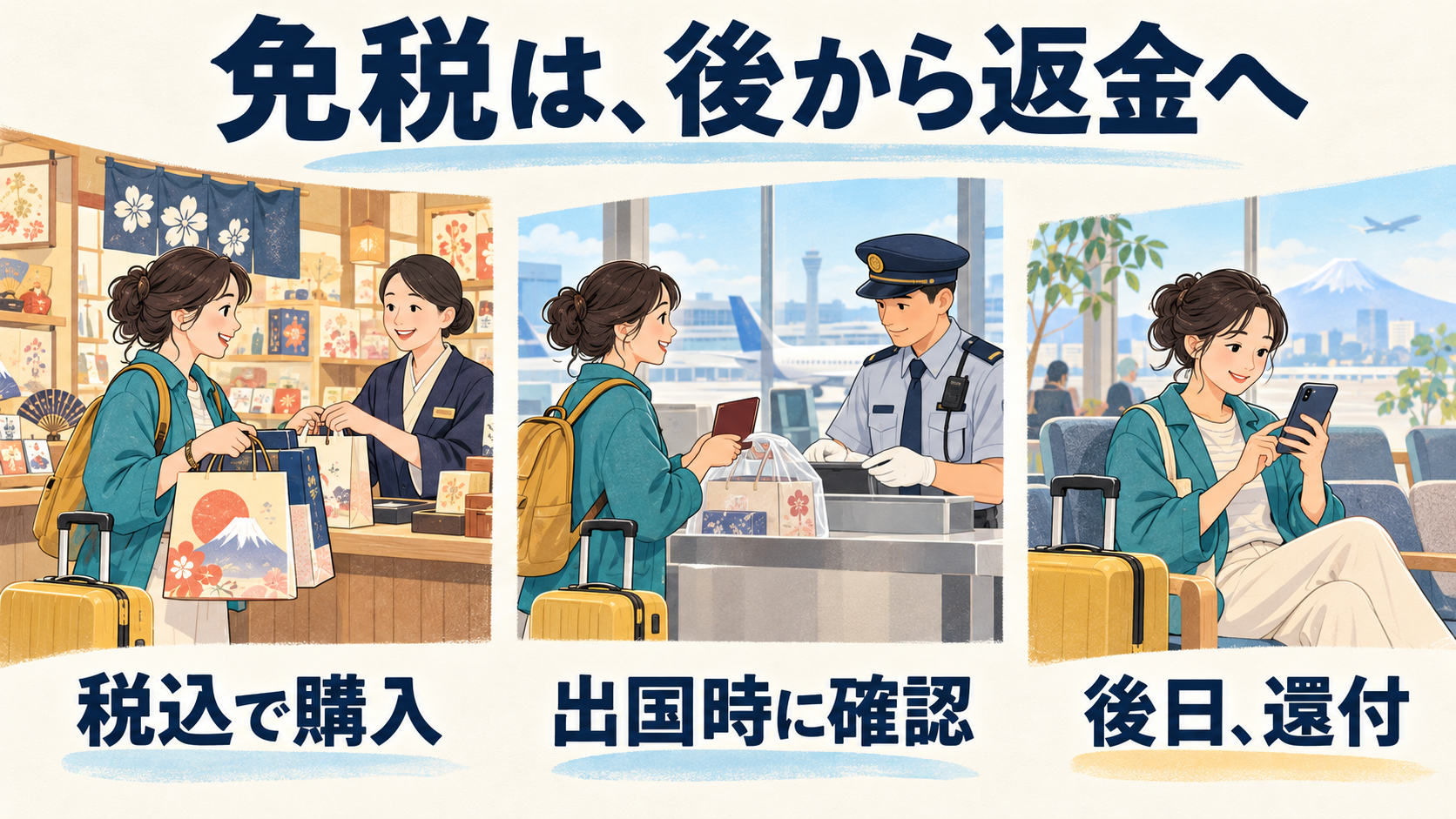
When inbound travelers purchase a camera worth 100,000 yen tax-free at a duty-free shop, they pay 110,000 yen at the register, including consumption tax. On November 1, 2026, Japan's tax-free system changed. In this example with a 10% consumption tax rate, if customs confirm the camera is taken out of the country upon departure, 10,000 yen becomes eligible for refund.
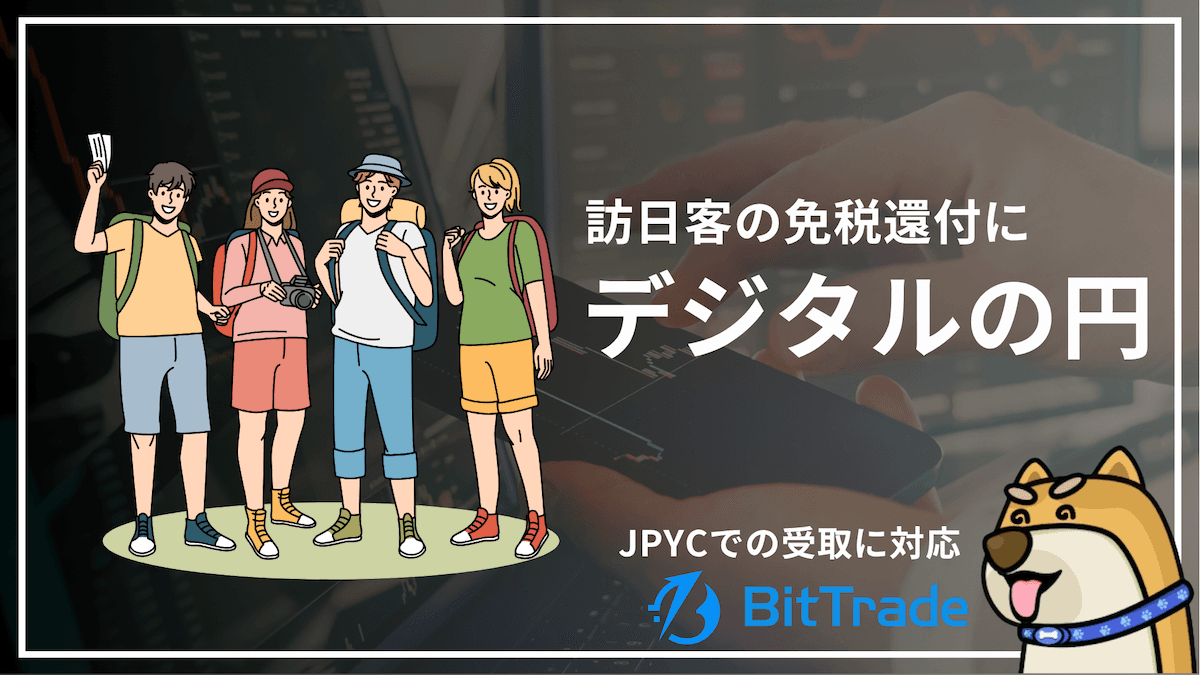
The method of receiving this refund now includes the yen-denominated stablecoin, JPYC. On October 29, Japan Tax-Free and UPBOND announced that JPYC can be selected as a refund option through the tax refund service 'JapanRefund.' This applies to tax-free purchases made on or after November 1.
JPYC Corporation, the issuer, classifies JPYC as an 'electronic payment instrument' under the Payment Services Act, distinguishing it from cryptocurrencies. Travelers who previously did not hold JPYC can now prepare a receiving account and obtain JPYC for the first time as a refund for purchases made in Japan.
Until October, travelers who met tax-free conditions could pay the tax-excluded price at the store. Under the 'refund method' starting in November, in principle, the equivalent amount of consumption tax is refunded by the duty-free store or an agent commissioned by the store after customs confirms the goods are taken out of the country.
The switch is based on the purchase date. For instance, if a traveler shops on October 31 and November 1 and leaves Japan on November 2, the new method applies to items purchased on November 1.
Travelers must have the tax-free items ready for customs inspection upon departure within 90 days of purchase. If the camera mentioned earlier is packed in a suitcase, the procedure must be completed before checking in the luggage at the airport. Customs will verify the export for each purchase transaction, so if multiple tax-free items are on the same receipt, all must be presented.
The change for stores is that they now have the task of delivering money to travelers after they have left the store. The National Tax Agency's Q&A lists examples such as bank transfers, remittances via cards or apps, and cash refunds at airports or ports upon departure. It is the responsibility of the duty-free store or the agent entrusted with refunds to prepare specific receipt methods.