


In the rapidly evolving fields of Web3.0 and AI, the 'TEAMZ WEB3/AI SUMMIT 2026' was held with the aim of capturing the latest trends and creating next-generation industries.
This event, which has been held annually as a major Web3.0-related event in Japan, took place in 2026 at Happo-en in Minato, Tokyo. Under the theme 'Tradition Meets Tomorrow,' the event featured a fusion of various aspects of Japanese traditional culture and next-generation technology.


Iolite, participating again as a media partner, will compile a report focusing on the sessions highlighted by the editorial team.
Opening the session was Finance Minister and Minister for Financial Services, Satsuki Katayama. Known for advocating the use of blockchain, she has shown a proactive stance on Web3.0 policies.
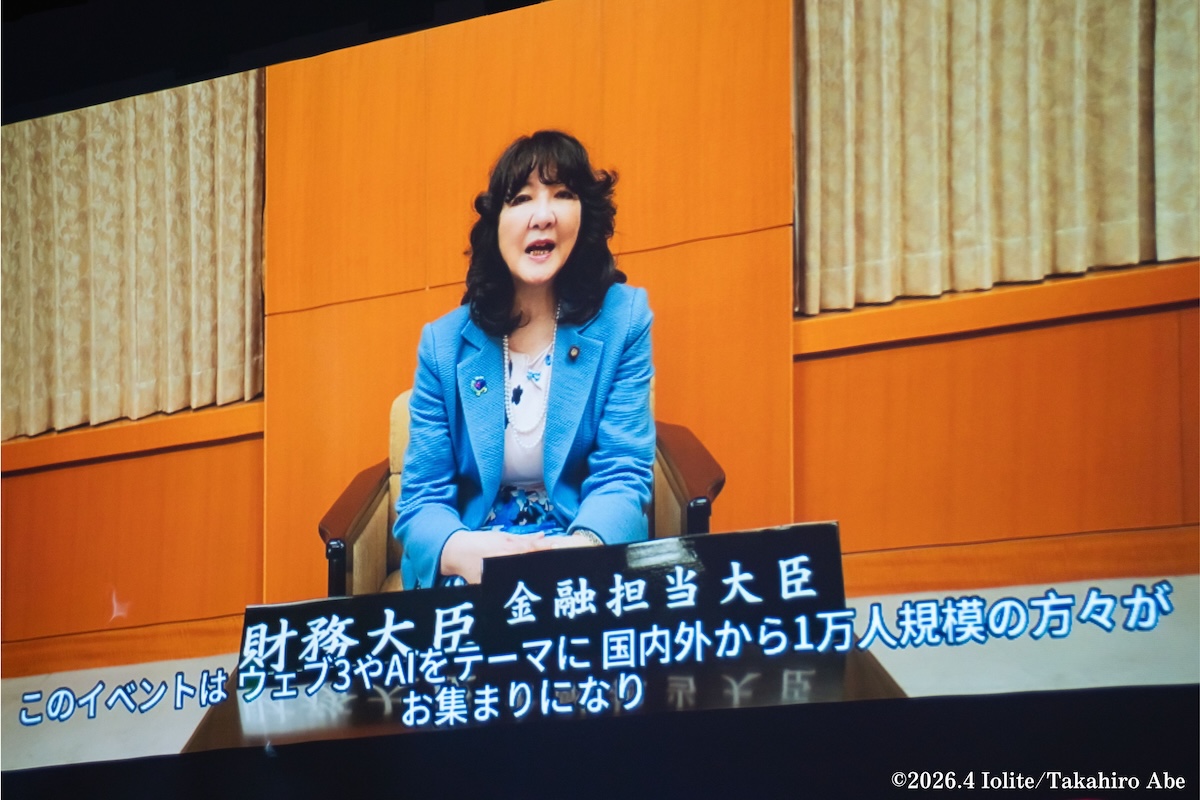
Katayama explained, "In financial transactions, the critical aspects are the analysis and judgment of information, and the recording and management of transactions. AI is responsible for the former, while blockchain handles the latter."
Regarding this structure, Katayama expressed that "both the brains and organs of finance are evolving." She particularly noted that blockchain is no longer an experimental technology but is becoming a realistic option as a new financial infrastructure.
In Japan, initiatives include the issuance of the first yen-denominated stablecoin in 2025, joint issuance trials by megabanks, and the exploration of tokenized deposits.
Amidst these developments, Katayama also mentioned pilot projects aimed at enhancing securities settlement. She explained that efforts are underway to manage securities rights on blockchain and integrate trading and settlement using stablecoins, which is expected to enhance the efficiency and sophistication of the entire securities trading process.
Furthermore, she highlighted trade finance as an application area for blockchain, discussing a system that shares cargo transport and customs information on blockchain, combined with stablecoins or tokenized deposits to link logistics and settlement. Such initiatives go beyond merely speeding up and reducing the cost of remittances, leading to a transformation of entire business processes.
Katayama also pointed out the potential for autonomous and efficient financial services through the integration of blockchain and AI. AI is transitioning from the consideration phase to the implementation phase, and the Financial Services Agency plans to support its healthy utilization moving forward.
In conclusion, Katayama stated that fields like blockchain and AI are in the midst of rapid technological innovation, where no clear answers exist. She emphasized the importance of bringing together diverse perspectives and experiences, expressing hope that new discussions and discoveries will lead to business creation, thus concluding her speech.
In a session featuring media artist Yoichi Ochiai and Norikazu Miyagi from the Macnica Group, the evolutionary project of the pavilion 'null²,' which garnered significant attention at the Osaka-Kansai Expo, was discussed.
The 'null²' project, themed around the fusion of digital and physical realms, depicted a world beyond human capabilities, attracting approximately 12 million visitors for its exterior alone and over 500,000 for the internal experience, marking one of the highest attendances domestically. The concept of 'null⁴' is envisioned as a 'rebirth' of 'null².'
'null⁴' is being prepared for the International Horticultural Expo scheduled for 2027. It aims to explore how humanity can rediscover its essence while coexisting with entities larger and more intelligent than humans. This project embodies such a futuristic vision.
The most distinctive feature is its 'moving architecture.' Designed to rotate, interact, and even 'speak' through AI control, the structure uses a mirrored design to reflect and continuously transform with the surrounding nature and garden landscapes. It is emphasized as an architectural sculpture that also serves as a device to reconstruct the environment itself.
According to Ochiai, the spatial design is also unique. By day, it functions as a static garden space integrated with flower fields, and by night, it transforms into a dynamic venue for DJ live performances. This duality in design is highlighted as a response to the question of 'how humans will exist in the AI era.'
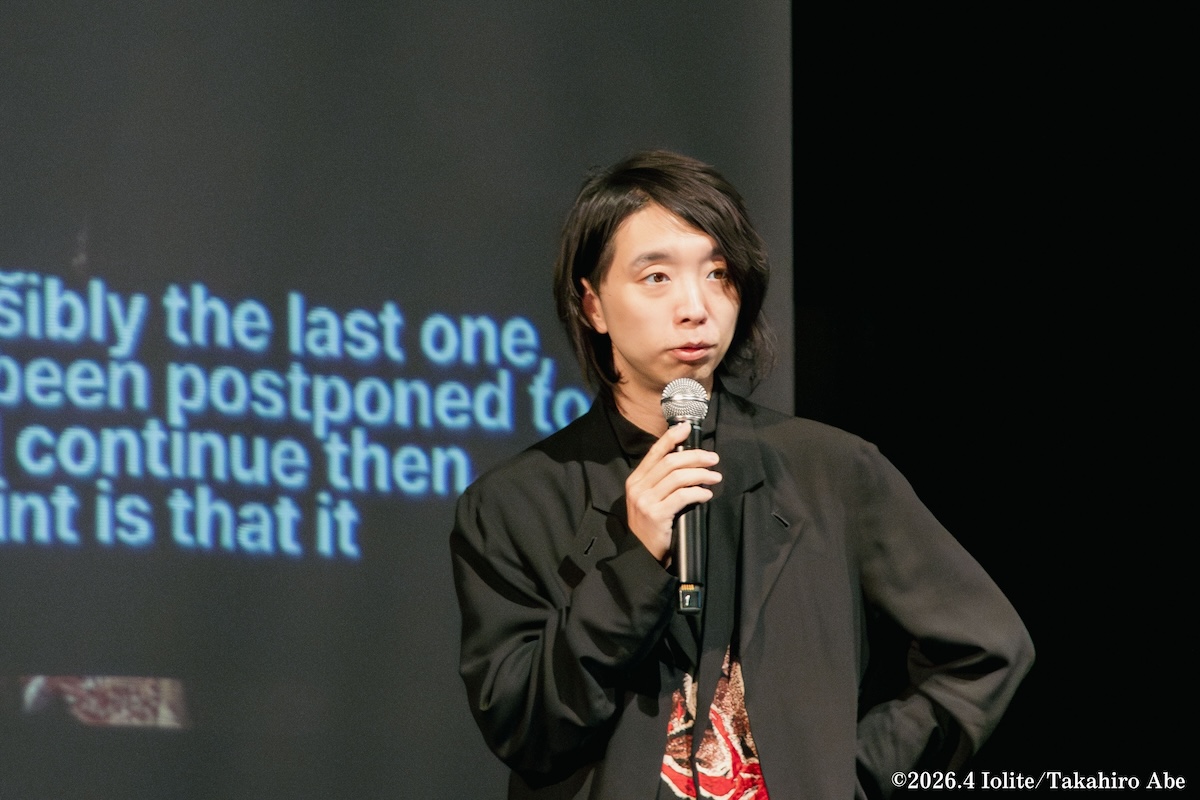
Additionally, it was revealed that a permanent museum theater, 'null²ⁿ (null nexus),' will open in 2026 within Yokohama's Minato Mirai Landmark Tower. This immersive space, utilizing large LEDs, is set to become a hub that carries forward the legacy of the Osaka Expo into urban spaces.
In conclusion, Ochiai emphasized the goal of creating new value originating from Japan by merging technology, art, and culture. In a world increasingly divided, the challenge of constructing content that fosters harmony has been reignited.
In a session titled 'AI × Web3: Reconstructing Future Society — Vision and Reality,' economist Yusuke Narita and Takeshi Chino from Binance Japan took the stage, with Chino serving as the moderator.
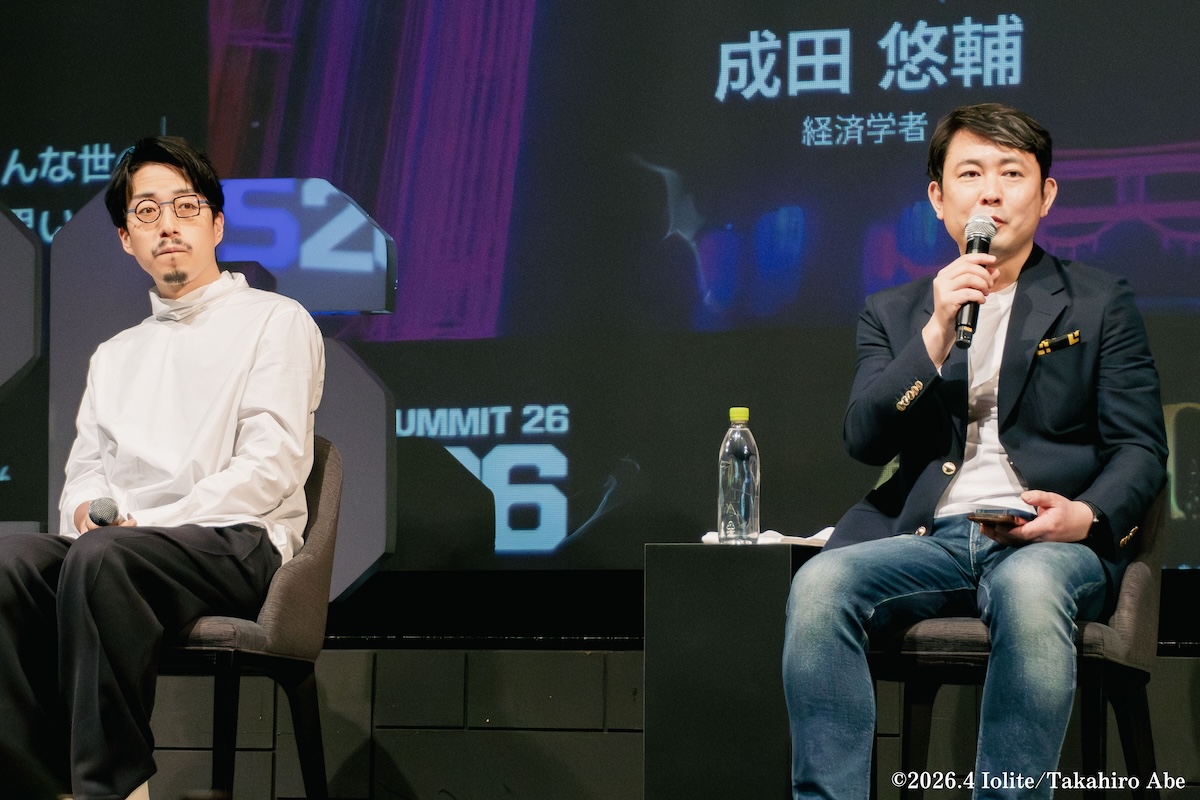
At the beginning of the session, Narita expressed a very severe outlook on short-term changes over the next two to three years. He pointed out that the advancement of AI could 'intensify the structure where those in weaker positions suffer even more.' Particularly, white-collar workers and younger generations, who have been considered stable, are more susceptible to impact, potentially widening the gap with capitalists and vested interests.
On the other hand, in the medium to long term, he also mentioned the potential for AI to dramatically enhance individual capabilities. However, he simultaneously noted that 'intellectual labor such as writing and programming will lose value,' emphasizing that 'the ability to move people will become the most important skill.'
What lies ahead is the polarization of society: the masses engulfed by AI and information, and those who detach from it. In such a society, 'living in a way that distances oneself from schools, companies, capital, and power to focus on basic needs like food, clothing, and shelter becomes one option,' Narita stated.
The discussion also extended to Web3.0. Narita pointed out that the general perception remains as 'suspicious scams,' attributing this to the lack of communication about what can be achieved.
In response, Chino acknowledged the difficulty in conveying value to users, explaining that 'starting with straightforward experiences like points and rewards is important.' He noted that practical applications, such as cryptocurrency-based reward services, are being promoted.
Furthermore, Narita mentioned the potential for the fusion of AI and Web3.0 to bring about 'unconscious finance.' By having AI make decisions on behalf of individuals, he suggested a future where a new form of 'indirect finance' emerges.
Conversely, he also warned about the expansion of AI-driven fraud. 'The most advanced AI finance today is investment fraud,' he stated, highlighting the presence of new risks that are difficult to address with existing regulations.
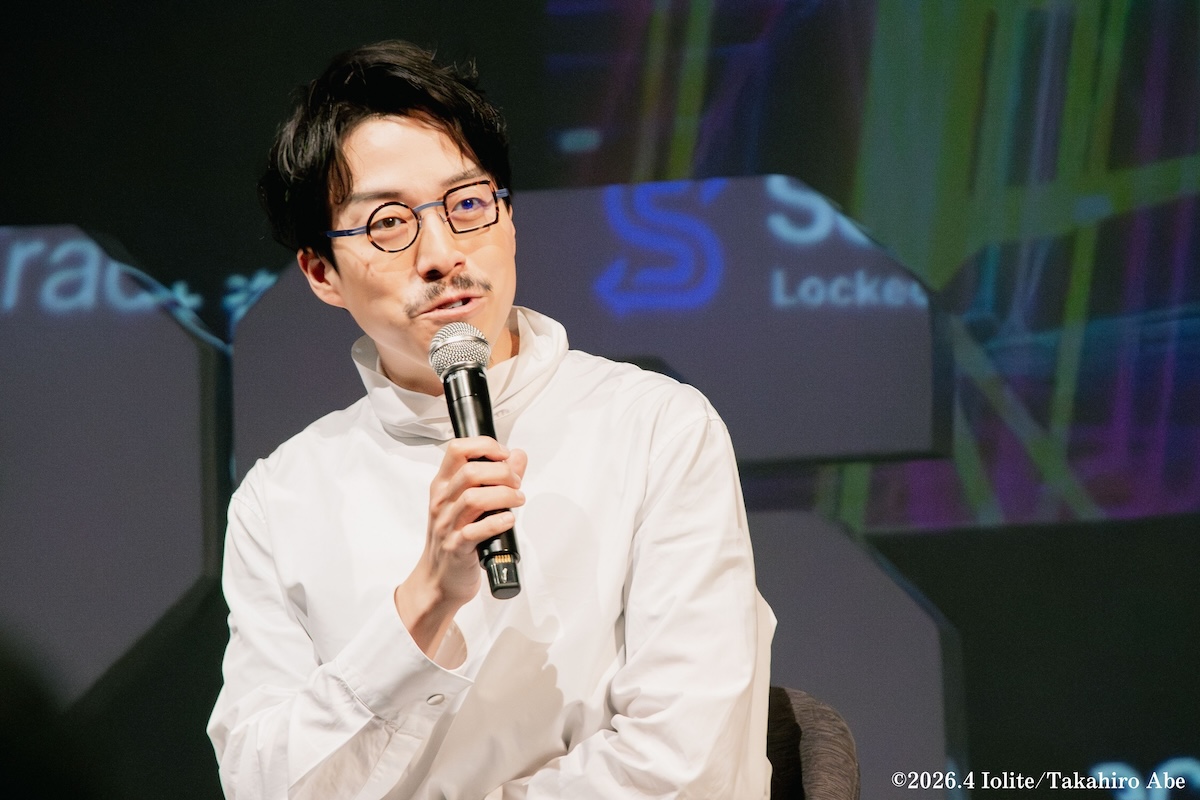
AI and Web3.0, while encompassing both convenience and risk, are transforming the very structure of society. As technological evolution accelerates, the question of which position people will choose and how they will live has been brought into sharp relief by this session.
Hideto Kawasaki, a Parliamentary Vice-Minister for Digital Affairs from the Liberal Democratic Party, spoke about Japan's AI and blockchain strategy.
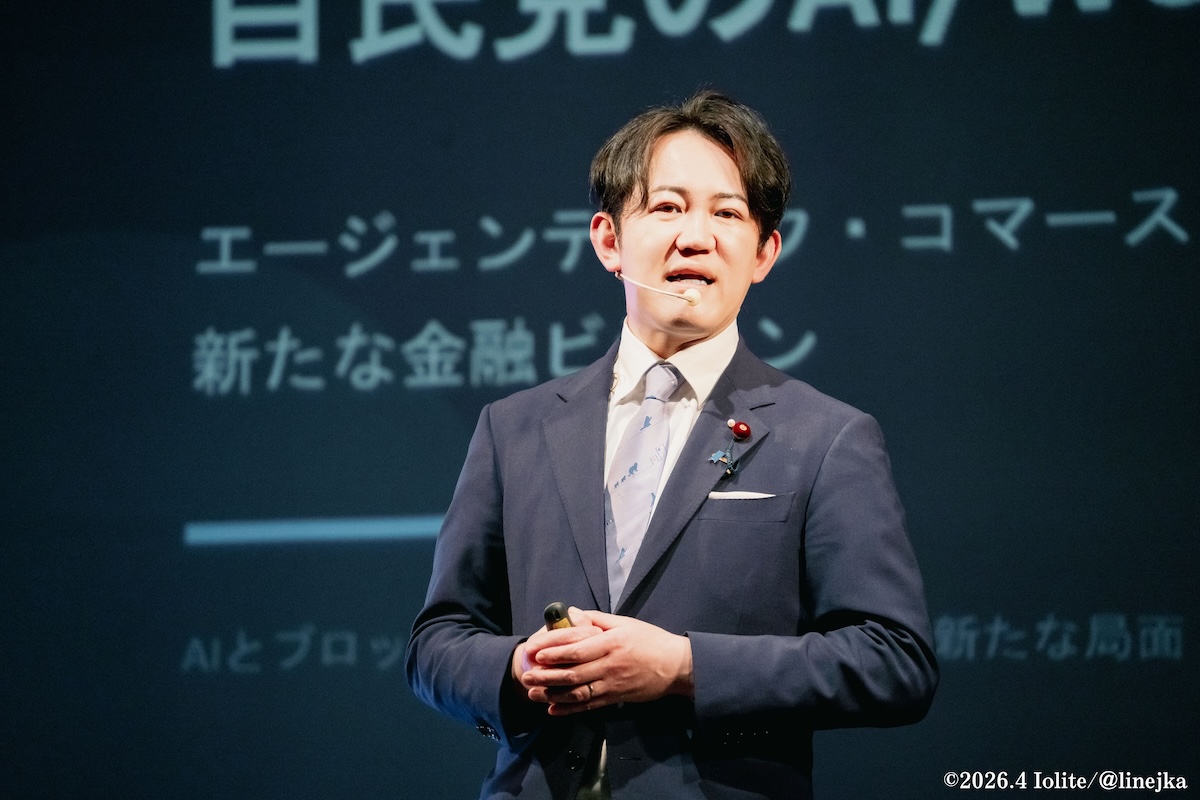
He first addressed the absence of Web3.0 from government policies following the transition to the Takai administration, pointing out the misconception that Japan has become reluctant towards Web3.0. He emphasized that the disappearance of the term does not equate to a retreat in efforts.
The government's fundamental policy is to realize a "Japan that can grow and compete globally even amid population decline." To achieve this, it is necessary to flexibly utilize advanced technologies such as AI and blockchain as "means," and Kawasaki strongly advocated for advancing effective policies without fixating on specific terms.
As concrete initiatives, two new project teams have been established within the Liberal Democratic Party. One is the "Next-Generation AI On-Chain Financial Concept Project Team," which envisions a future financial system utilizing AI and blockchain. The other is the "Payment Innovation Promotion Project Team," responsible for developing the legal framework to realize this vision.
Kawasaki identified "outdated systems and delays in development" as challenges Japan faces. Despite its cultural appeal and safety, he expressed a strong sense of urgency about the current situation where legal systems are not keeping pace with the speed of innovation.
To overcome this situation, he stated that it is necessary to simultaneously promote "a sense of urgency," "a future vision," and "execution capability," explaining that the current project teams are structured for this purpose. By advancing vision formulation and legal amendments in parallel, the aim is to overcome the previously criticized slow pace of policy decision-making.
Finally, Kawasaki expressed his eagerness to launch a new financial model combining AI and blockchain from Japan, calling on the players gathered at the event to accelerate Japan-originated innovation, thus concluding his speech.
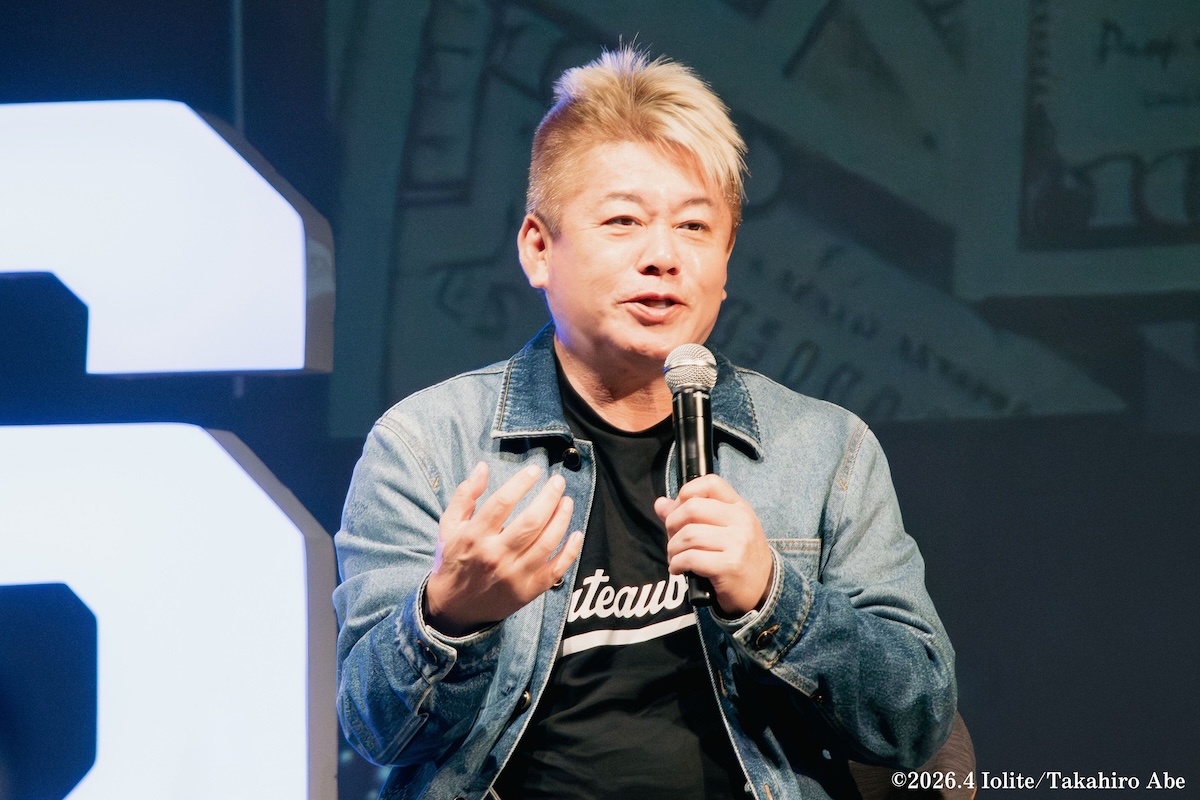
The session with Takafumi Horie and Hironao Kunimitsu proceeded in a free-talk format without a moderator, covering a wide range of topics from the early days of cryptocurrencies to the present and future.
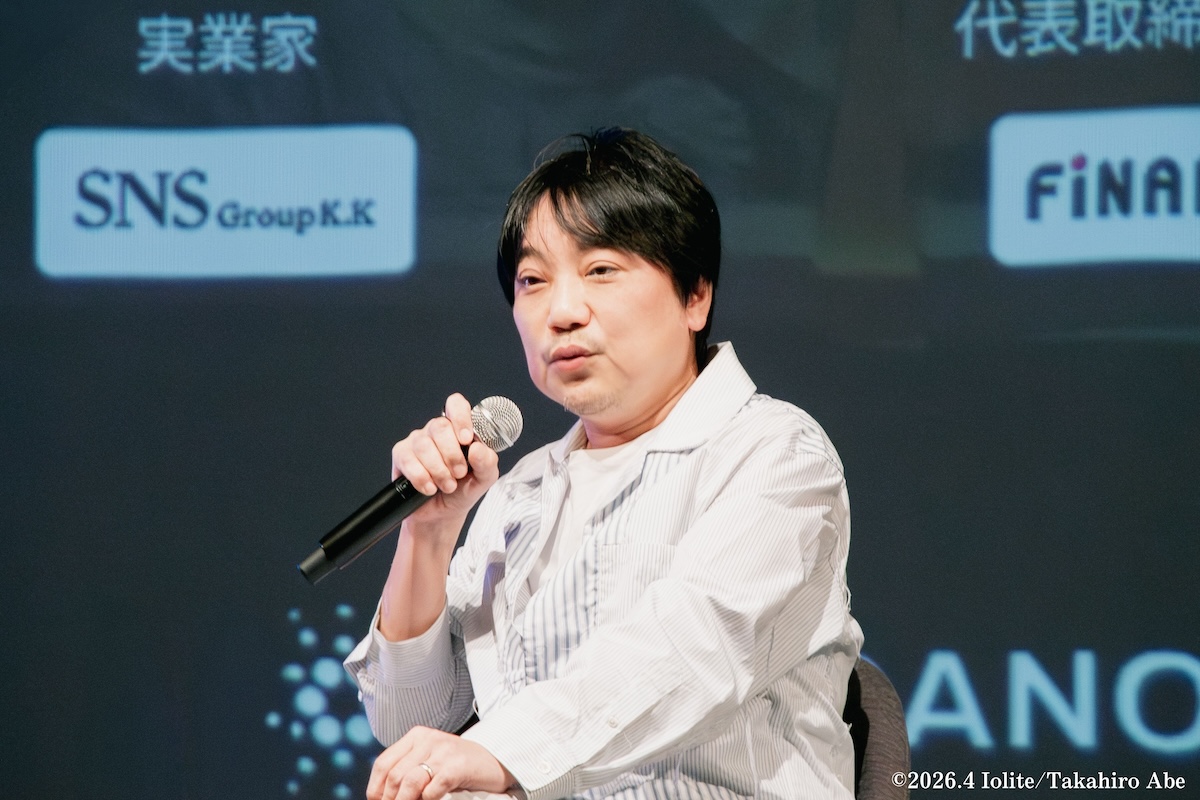
Initially, Horie shared his experiences of receiving Bitcoin in a tip-like manner during its early days and participating in Ethereum's crowd sale.
Particularly striking was the episode where he lost access to his early Ethereum wallet. Due to password issues and technical bugs, he couldn't withdraw his assets for a long time, but recently, with the help of the Ureru Net Advertising Group, he successfully recovered them. This incident rekindled his interest in crypto, Horie remarked.
He also mentioned the Japanese hardware wallet 'OpenLoop,' highlighting it as a domestic product with high functionality, including multi-signature and multi-currency support, suggesting that Japan possesses sufficient technological prowess.
Regarding stablecoins, he touched on the yen-based stablecoin JPYC, evaluating it as a potential means to enhance the yen's international value and discussed its potential to capture market share globally.
The discussion further expanded to Web3.0 fundraising models. Horie pointed out the potential for large-scale projects like space communication infrastructure to attract funding through DAOs and tokens, noting, "The technology is already there, but what Japan lacks is speed and capital."
Additionally, he cited Japan's strength in retaining talented individuals domestically due to language barriers, suggesting that advancements in AI translation technology could further bolster this advantage.
Conversely, he addressed challenges such as scam advertisements and misinformation, emphasizing the importance of information literacy in the AI era. He reiterated his expectations for domestic products, concluding the session.
A panel discussion titled 'The Future of On-Chain Finance' was held with Startale Group CEO Sota Watanabe and SBI VC Trade's Tomohiko Kondo. The session focused on Japan's position and strategy in the global competition, centered around the Japanese yen stablecoin.
Watanabe emphasized the rapid advancement of on-chain finance and the critical role of stablecoins at its core. He noted that in the U.S., regulatory bodies are actively involved, and the digitization of finance is irreversibly progressing from paper to online, and now to on-chain.
Currently, about 90% of on-chain currencies are denominated in U.S. dollars, with other currencies having limited presence. Incorporating the Japanese yen on-chain is crucial not only for maintaining and enhancing currency value but also from the perspective of international competitiveness. In fact, there is already demand for Japanese yen stablecoins in overseas markets.
In response, Kondo highlighted practical challenges from the perspective of the Japanese market. While the presence of yen-denominated stablecoins is indispensable as the foundation of on-chain finance, there are significant regulatory constraints.
Specifically, there is a 1 million yen cap on fund transfer-type and overseas-issued stablecoins, posing practical barriers. He suggested that 'trust-type' stablecoins, which can circumvent this restriction, will become the foundation of future financial products.
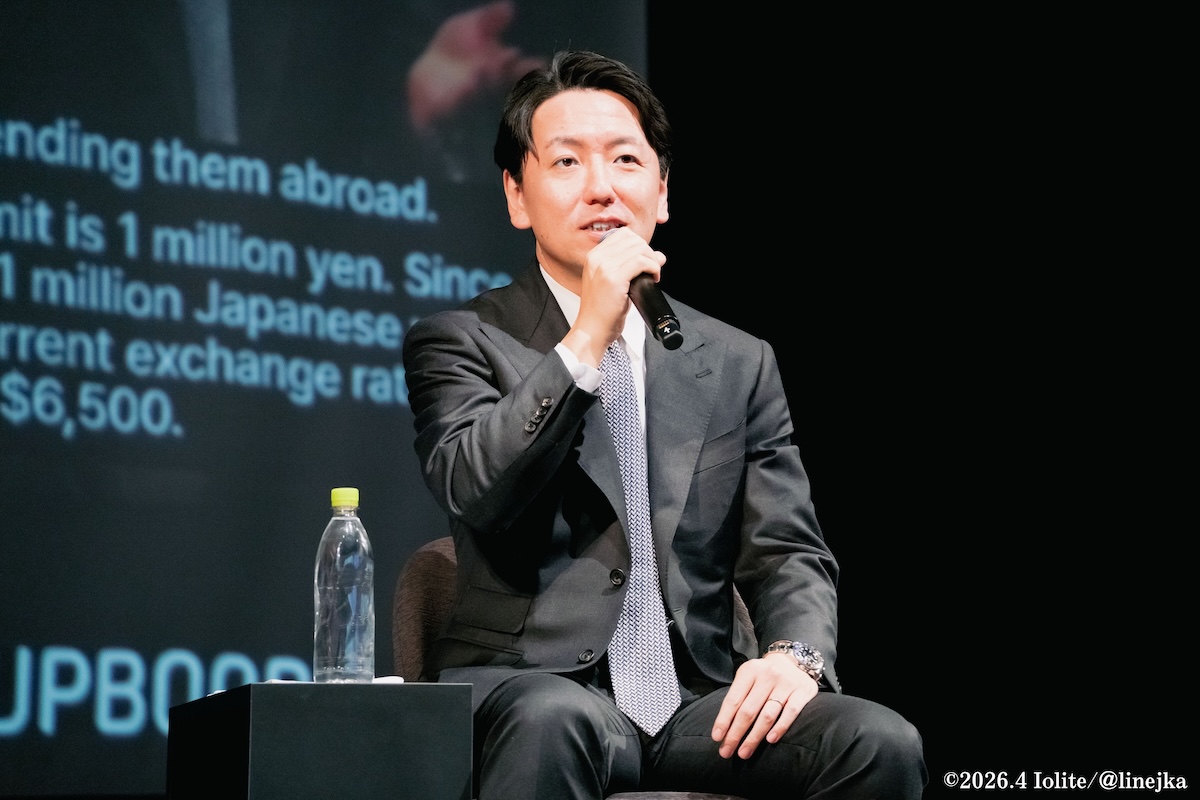
Moreover, the role of stablecoins extends beyond payments. Watanabe mentioned their potential use in asset management. In the U.S., there is a movement to allow stablecoins to be recorded on balance sheets, leading to increased holdings by financial institutions. Converting yen assets into stablecoins significantly enhances the efficiency of remittances and swaps.
The biggest challenge for widespread adoption is UX. Traditional wallets have been hindered by the complexity of managing private keys, but advancements in account abstraction (technology that replaces cumbersome account rules with programmable smart contracts) are enabling user experiences similar to Web2.0. It is anticipated that 'super apps' integrating securities, banking, and wallets will emerge, with stablecoins at their core.
The discussion further expanded to the tokenization market and infrastructure strategy. Watanabe pointed out that the tokenization of stocks and real assets is inevitable, and in the U.S., this is already progressing at a national policy level. He stressed that Japan cannot afford to lag behind this trend.
The key to this is 'vertical integration'. By integrating various layers such as exchanges, wallets, chains, and stablecoins, overall optimization can be achieved. Players like Coinbase are already ahead, and it is becoming difficult for standalone businesses to compete.
Kondo also highlighted SBI Group's strength in deploying cross-functional services using multiple licenses. By combining functions such as banking, securities, and trust, it is possible to handle both issuance and distribution, and the addition of Startale's technology enhances competitiveness.
Both agreed that partnerships are essential for targeting the global market from Japan. Watanabe positioned the collaboration with SBI as 'the foundation for competing in the global market', while Kondo expressed expectations for Startale's technological prowess and overseas expansion capabilities.
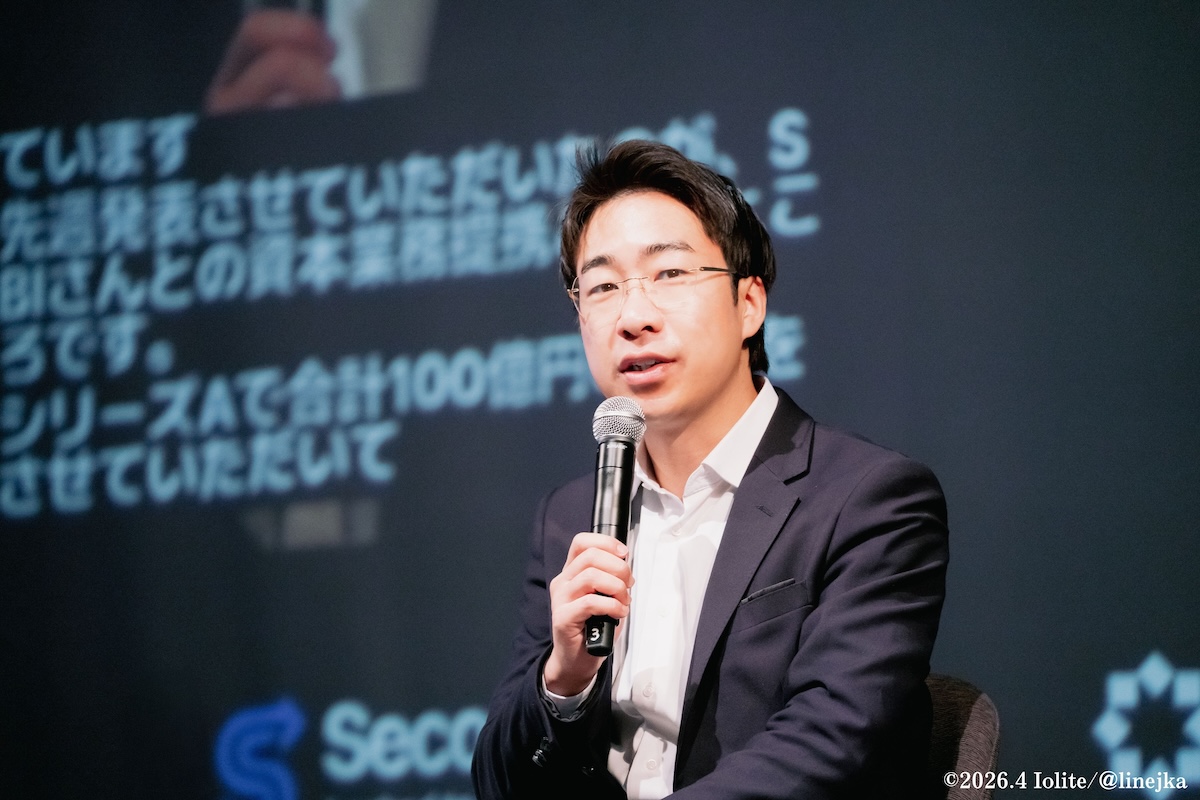
On the other hand, SBI's financial foundation and execution capabilities are also significant strengths, highlighting a complementary relationship that creates a competitive advantage.
In the era of on-chain finance, a comprehensive strategy that includes technology, regulation, infrastructure, and partnerships is essential. Initiatives centered on the Japanese yen stablecoin are becoming a crucial factor influencing Japan's presence in the global market.
Akihisa Shiozaki, a member of the House of Representatives from the Liberal Democratic Party, shared his views on policy initiatives amid the convergence of AI and Web3.0, and the future of finance. The session was moderated by Seihaku Yoshida from HashPort.
Shiozaki first addressed the changes in policy discussions within the Liberal Democratic Party. While AI and Web3.0 policies have been treated separately, the reality is that the involved lawmakers overlap, and the fields are rapidly converging.
Particularly as AI evolves from chatbots to autonomous decision-making agents, the integration with Web3.0 in the financial sector becomes inevitable. In response to this, an 'AI-Web3 Subcommittee' was established to facilitate integrated discussions across both domains.
The discussion also touched on the achievements of the 'EXPO 2025 Digital Wallet.' Yoshida praised the project for surpassing one million downloads, describing it as having 'crossed the chasm.' Designed under a consortium led by Sumitomo Mitsui Banking Corporation, the project focused on next-gen cashless payments, enhancing experiential value by integrating payment and behavioral data.
Additionally, by utilizing SBTs (Soulbound Tokens), digital certificates were issued for each visit and experience, leading to the issuance of around 10 million tokens. The insight gained was that the reasons for the lack of wallet adoption can be individually addressed, and removing barriers such as UX and gas fees could expand usage.
However, a noted challenge was the lack of stablecoin implementation. Yoshida pointed out that if stablecoins had been introduced before the expo, the results could have been even more significant. Currently, payment trials are underway in restaurant chains, and due to the ease of implementation with just QR codes and the effect of reducing fees, the potential for widespread adoption is high.
In response, Shiozaki discussed the impact of USD-denominated stablecoin adoption on Japan's monetary sovereignty. While the convenience could give a dollar-based system an advantage, he emphasized the need for balance through monitoring and institutional design rather than simple regulatory suppression.
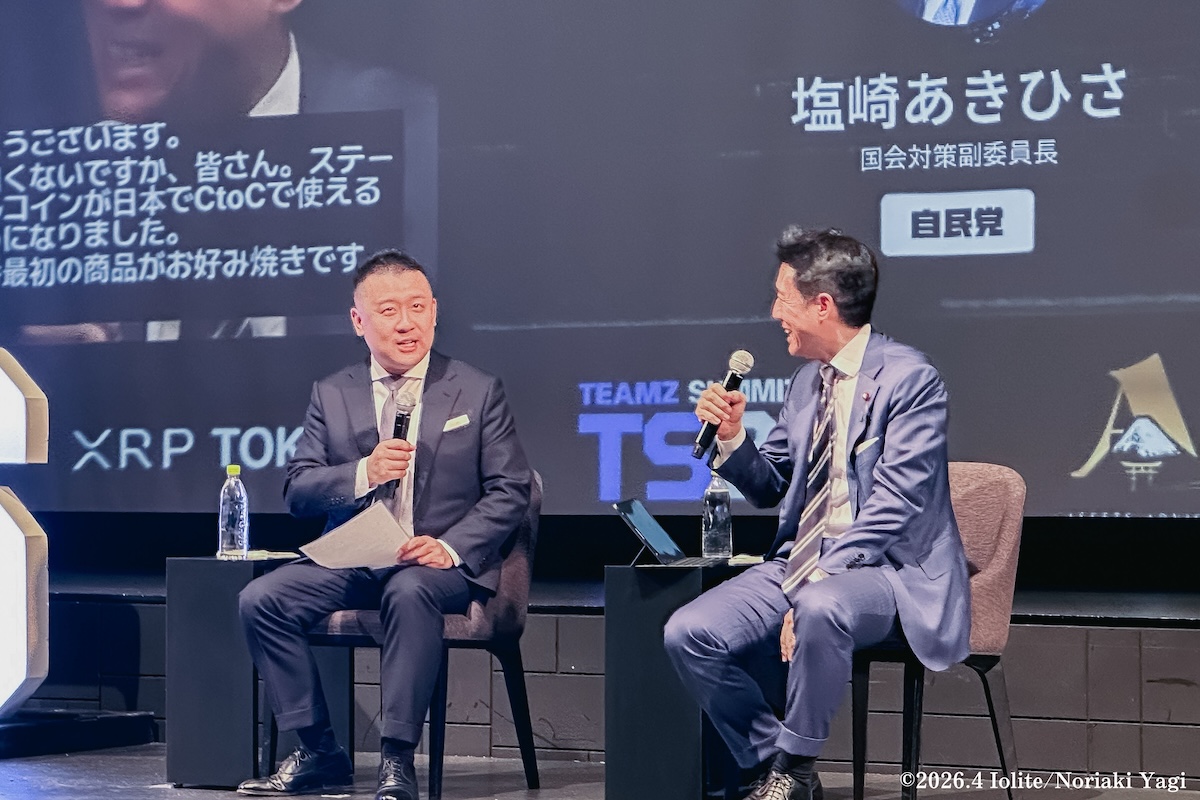
Furthermore, Shiozaki pointed out the necessity of three paradigm shifts in future policy design.
First is 'AI Sovereignty,' which requires designs that avoid excessive dependence on specific companies or nations. Second is the 'Redefinition of Human Roles,' clarifying where humans hold responsibility in an era where AI makes decisions. Lastly, 'Trust Design' is essential, involving not only regulation but also technical guarantees and user literacy in a trinity.
Regarding future business opportunities, he emphasized the growth potential in vertical AI domains. Industries with unique Japanese data or those heavily regulated, such as finance, healthcare, caregiving, administration, and defense, were highlighted as promising areas.
Finally, Shiozaki stated that technology should permeate society to the extent that the term 'Web3.0' becomes unnecessary, indicating that we are nearing that stage. He stressed that what matters is not the strength of regulation but its 'clarity.' When a country's direction is clear, companies can confidently proceed with investment and development.
He also touched on the upcoming AI White Paper 2.0, advocating for Japan to clearly articulate its strategy and align it with private sector initiatives. The importance of public-private collaboration in building next-gen finance where AI and Web3.0 intersect was reaffirmed.
Moderated by Shun Mizuoka, CEO of UPBOND, a discussion was held on the current state and future outlook of on-chain finance. The panel included Yuugo Takino from eole, Hideo Mitsuki from Osaka Digital Exchange (ODX), and Shinsuke Sato from Slash Vision Labs.
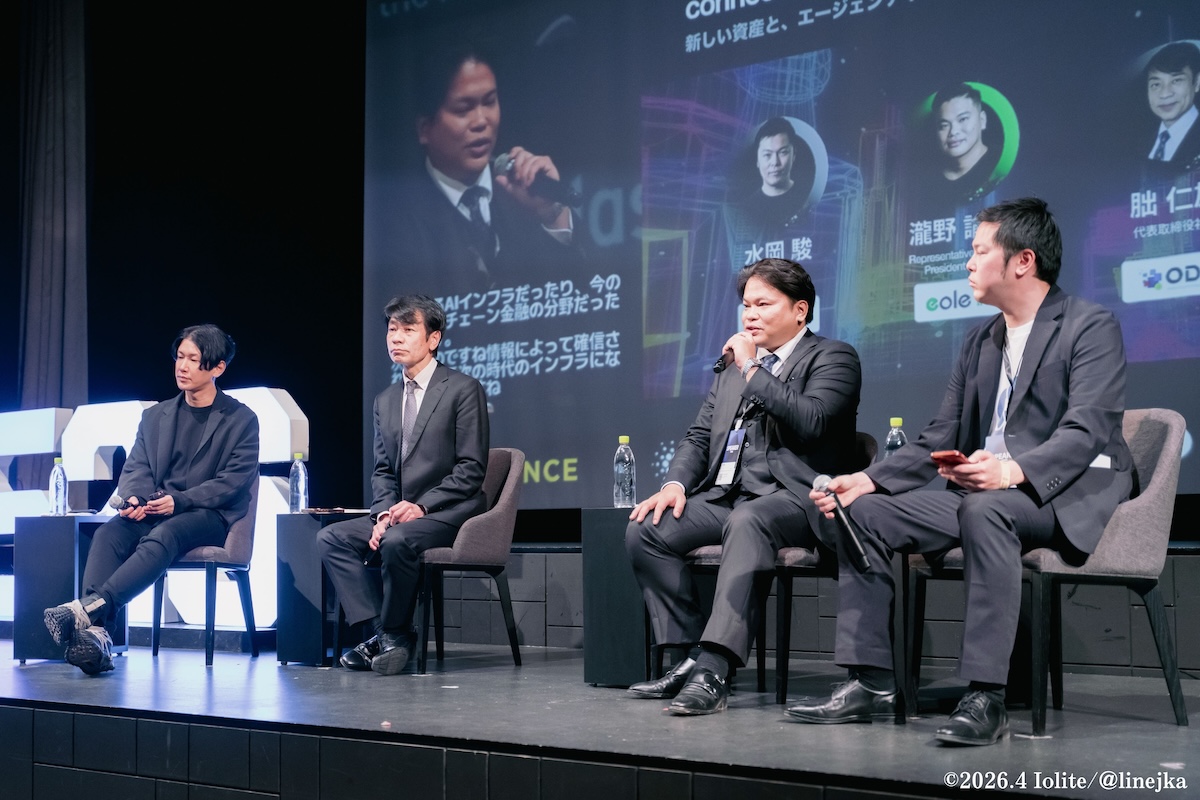
The session explored the potential and challenges of expanding on-chain finance from institutional to consumer domains from multiple perspectives.
The initial point of discussion was the current state of on-chain integration in existing finance. Mitsuki noted that blockchain use in the securities sector remains predominantly on private chains. Due to challenges such as anti-money laundering measures, tax processing, and dividend management, the transition to public chains is limited.
Conversely, the tokenization of assets like real estate and corporate bonds is steadily advancing, with market size expanding. Utilizing stablecoins for settlements between securities firms could enhance efficiency, although the phase where general users directly participate has not yet been reached.
Globally, BlackRock's tokenized MMF 'BUIDL' was highlighted as a symbolic example. Backed by U.S. Treasuries and issued on a public chain, this product connects with DeFi, accelerating capital inflows. The flow of moving assets from cryptocurrencies to stablecoins, MMFs, and further to tokenized stocks is becoming common overseas. Although the gap with Japan remains significant, the consensus was that this trend is irreversible.
The focus then shifted to whether on-chain finance will be accessible to general users. Takino pointed out that the high barrier for individuals to engage in advanced financial operations is a factor in Japan's lag. Understanding risks and regulations to make optimal decisions is not easy, and he proposed AI agents for operational optimization as a solution.
In his lending business, Takino offers an annual return of about 8% on Bitcoin, managing assets worth approximately 5 billion yen. By combining multiple assets behind the scenes, users can benefit from advanced financial services without being conscious of it. There are also plans to tokenize investment opportunities in unlisted companies and open them to general investors.
From the perspective of consumer adoption, Sato emphasized the importance of an approach from the payment domain. Currently, stablecoin recognition in Japan is low, perceived as unrelated to individuals. To break this perception, he is pursuing a strategy to generalize stablecoins through the familiar interface of credit cards.
Regarding the adoption of USDC, Sato explained it as a differentiation from existing yen payments. With cashless payments already widespread domestically, providing new value requires experiences like foreign currency use. Looking ahead, he envisions an environment where multiple currencies can be freely chosen.
Risk discussions were also a crucial point. Mitsuki highlighted the significant difference in investor protection perspectives between the securities industry and DeFi. While the securities market has stringent regulations and compensation systems, DeFi faces liquidity and smart contract risks. To broadly popularize on-chain finance, it is essential to appropriately explain these risks and design sound products.
At the session's conclusion, each panelist addressed the changes that will be brought to general users. Sato aimed to make stablecoins something 'commonly usable,' striving for the integration of operations and payments. Mitsuki emphasized the need to build a system where everyone can benefit, considering both risks and possibilities. Takino mentioned the potential of AI and blockchain to reduce information and asset management disparities, enabling a society where users can enjoy benefits unconsciously.
In summary, Mizuoka stated that while the technology is already in place, the next phase involves addressing regulations and risk management to deliver value to general users. The question of whether on-chain finance will be truly implemented in society hinges on the design of regulations, UX, and trust.
Yuichiro Tamaki, leader of the Democratic Party for the People, discussed the current state and future direction of Web3.0 and cryptocurrency policies in Japan. The party has historically supported Web3.0-related businesses through policy measures, and Tamaki has consistently worked to collaborate with the industry.
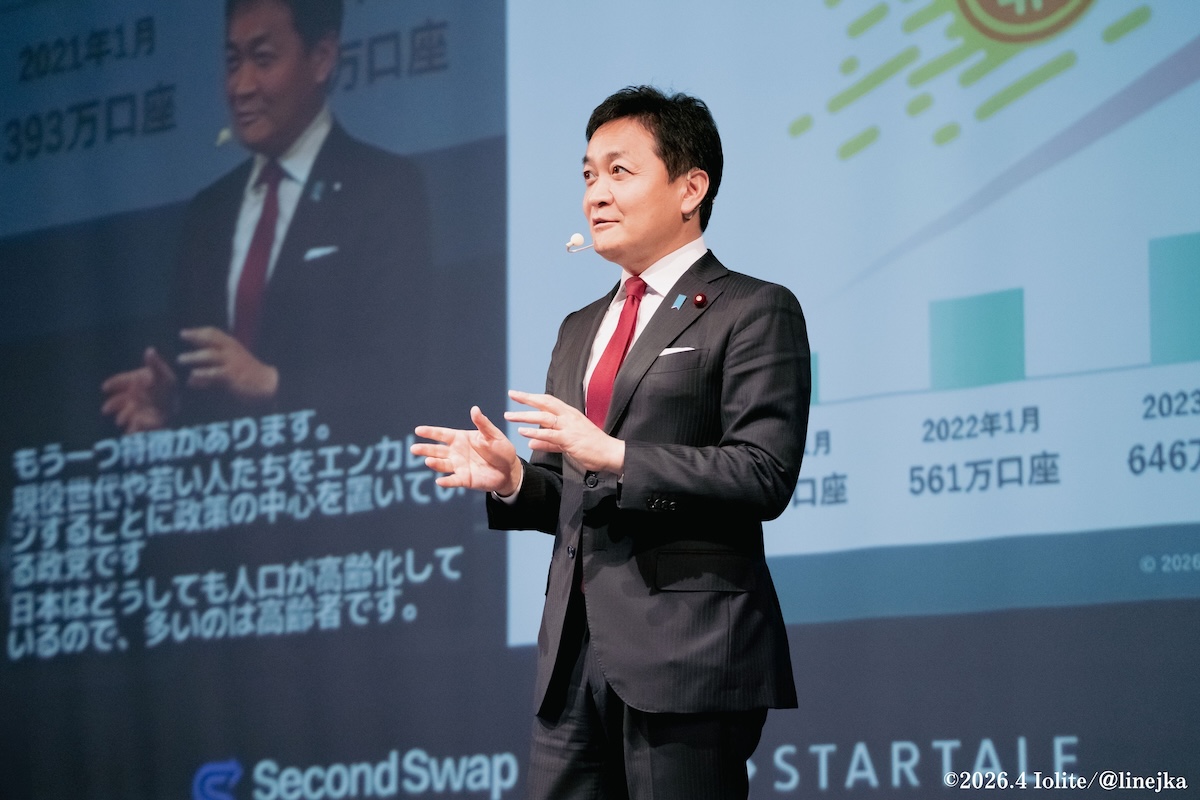
Tamaki first characterized the current environment as an exciting era. In the U.S., related legal frameworks are advancing, and the Clarity Act is at a critical juncture. Meanwhile, in Japan, there is a plan to revise the taxation on cryptocurrency gains from the current maximum of 55% to a separate 20% tax, similar to stocks.
However, Japan's competitiveness has significantly declined compared to the past. In 2017, about half of Bitcoin transactions were conducted in Japan, but now it is only a few percent. Tamaki pointed out that high tax rates, complex tax systems, and the lack of ETF infrastructure are institutional challenges. To address these issues, he explained that he is working on legal reforms in collaboration with the ruling party.
On the other hand, he identified "the slow execution of policies" as the biggest challenge. Even if legal reforms are enacted in 2026, their actual implementation is expected in 2028, which he emphasized is too slow to compete internationally.
He argued that implementation could ideally start in 2027, advocating for an acceleration of the system. He also mentioned the need to lift the ban on ETFs and review leverage regulations, suggesting that the current individual leverage limit of 2x should be increased to around 10x to improve the business environment.
Additionally, he addressed the perception issue with the term "cryptocurrency," proposing a name change to "digital assets" to foster broader societal acceptance.
From a mid- to long-term perspective, he noted that "on-chain finance" is an inevitable trend. Just as the internet brought transactions online, finance itself will transition to blockchain, citing examples like Hyperliquid, which generates high profits with a small team, to highlight new market possibilities.
Tamaki also touched on his experience with the corporatization of the Tokyo Stock Exchange and the introduction of PTS, noting that "market efficiency and digitalization will become increasingly important." He recognized that on-chain finance could alter the roles of securities firms and banks, potentially leading to a restructuring of market structures.
He emphasized viewing these changes not as risks but as "growth opportunities." Currently, Japan has over 13 million cryptocurrency accounts, with about one in ten people owning them. He analyzed that real assets like real estate and energy could also be tokenized, developing into a massive market.
The key is not to suppress these movements through regulation but to appropriately support them. While acknowledging that Japanese policies tend to lag, he advocated for a proactive stance of "anticipating the future and setting rules in advance."
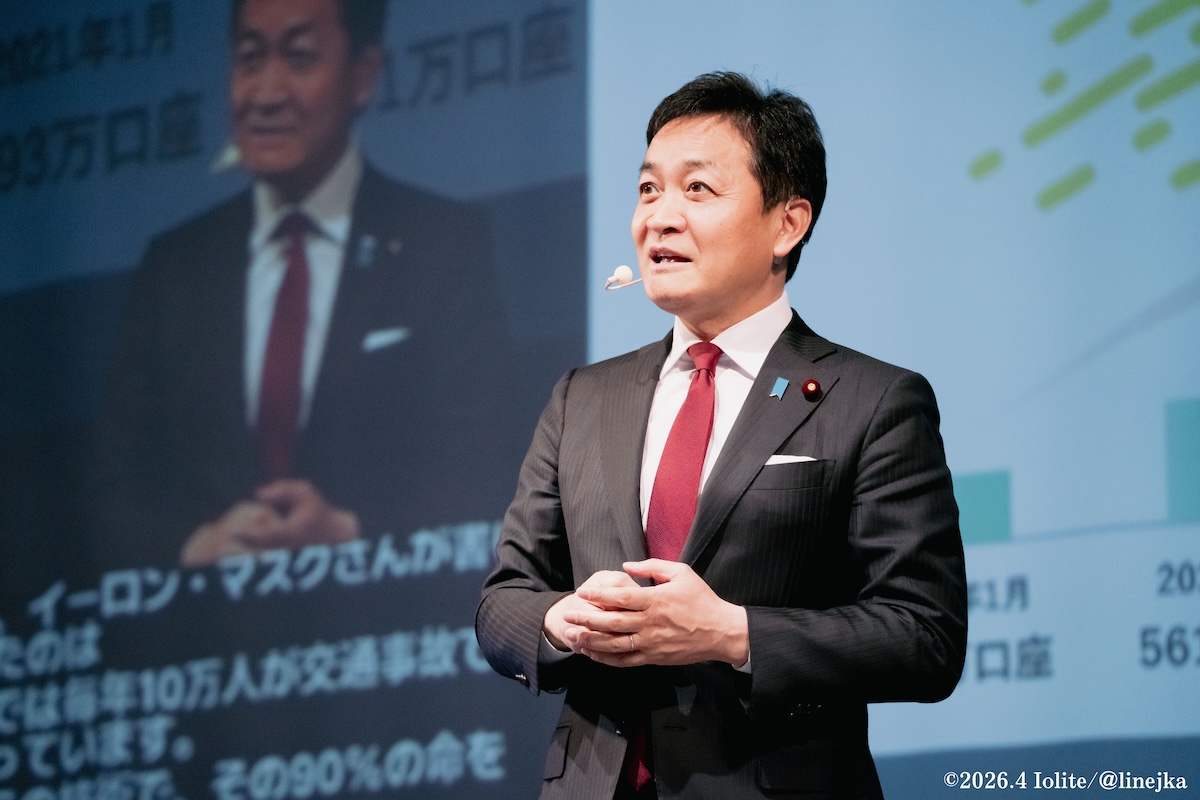
He also addressed the risks associated with new technologies. Citing Elon Musk's remarks, he expressed the view that "if the overall benefits outweigh certain risks, they should be adopted." He pointed out that in Japan, even small risks can halt implementation, which would hinder growth.
Finally, he highlighted the party's characteristics of quick decision-making and flexibility, emphasizing a proactive approach to new fields. He also touched on policies that prioritize the active and younger generations, stating, "Investing in the generation that will shape the future leads to Japan's growth."
Regarding the Web3.0 and cryptocurrency sectors, he noted that if talent and businesses that had moved overseas return to Japan, lowering tax rates could ultimately lead to increased tax revenue. He concluded by expressing a desire to achieve Japan's economic regrowth by supporting the challenges of the younger generation.
In the closing session, Tianyu Yang, CEO of TEAMZ Inc., took the stage. He conveyed a message encouraging attendees to make meaningful use of the connections made at the 'TEAMZ WEB3/AI SUMMIT 2026' and announced the next event. The upcoming summit is scheduled for April 6th and 7th, 2027, to be held at Happo-en, just like this year.

The 'TEAMZ WEB3/AI SUMMIT 2026' strongly emphasized that Web3.0 and AI have entered the practical phase as social infrastructure, set against the backdrop of Happo-en, where tradition and cutting-edge technology merge.
Through multifaceted discussions ranging from government policy proposals to trends among institutional investors and new announcements from various businesses, the essence of the technology was highlighted. Symbolized by the metaphor of AI as the 'brain' and blockchain as the 'internal organs,' the domestic implementation of stablecoins, securities settlement, and trade finance is accelerating.
This event demonstrated that technological innovation has ushered in a new phase, fundamentally updating Japan's industrial structure.
Image: Iolite
Event Report on Japan's Largest Global Summit 'TEAMZ WEB3 SUMMIT'

