


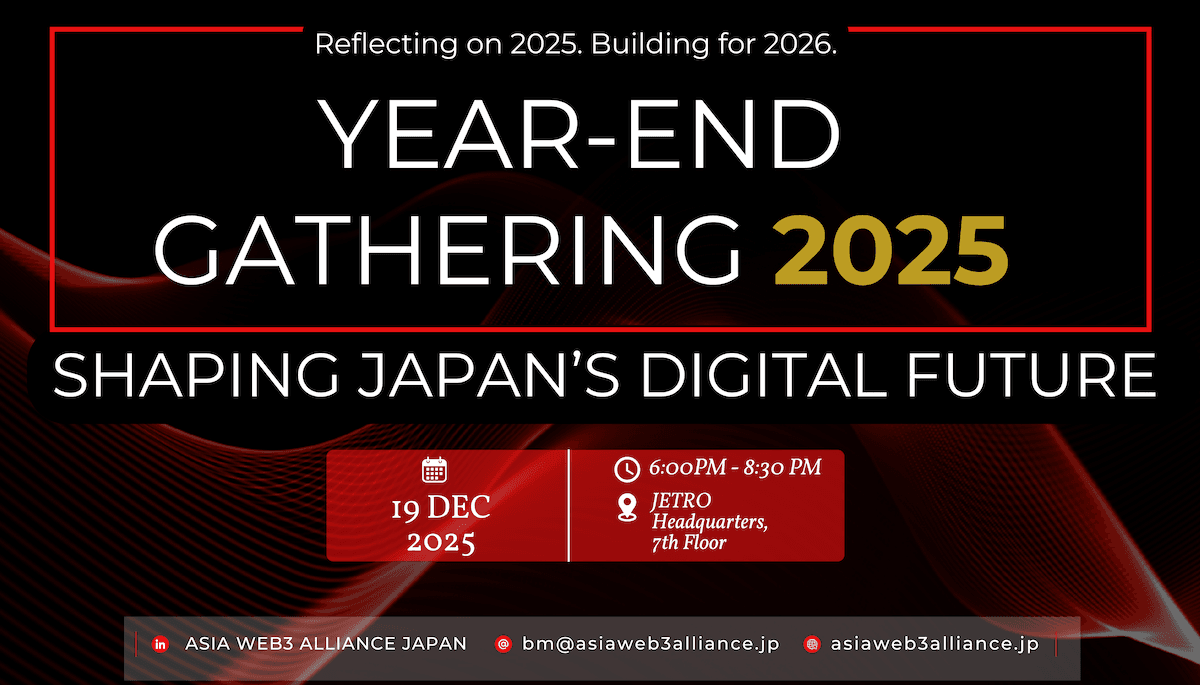
On December 19th, a year-end networking event brought together numerous entrepreneurs and investors at the JETRO Tokyo headquarters, hosted by Web3 Salon. The event, by invitation only, featured discussions on the year 2025 in review and the vision for 2026.
This article will summarize the discussions and the atmosphere of the event day.
Web3 Salon is a strategic initiative promoted by the non-profit organization Asia Web3 Alliance Japan (AWAJ) in collaboration with JETRO (Japan External Trade Organization), aimed at fostering innovation within the Web3.0 ecosystem, creating investment opportunities, and strengthening global partnerships. With JETRO's support, it invites VCs from around the world to assist in the growth and international expansion of Japanese Web3.0 startups.
Web3 Salon serves as a platform to connect Web3.0 startups, venture capitalists, and institutional investors, thereby accelerating innovation and collaboration. Its mission is to enhance Japan's stature in the blockchain and Web3.0 sectors. Through its initiatives, it aims to bring together like-minded innovators to forge global collaborations, generate new ideas, and pave the way for a future of decentralized innovation.
Asia Web3 Alliance Japan is an organization comprising over 260 companies and individuals from across Asia, aiming to bridge international business opportunities with the Japanese market, including government and corporate sectors. It promotes cooperation, growth, and innovation in the Web3.0 industry in Asia and Japan, providing opportunities for strategic partnerships, market entry support, and activities related to the regulation and education of the Web3.0 sector.
The organization also focuses on company establishment, business growth, and cross-border synergies, offering insights into regulations and cultural understanding. Additionally, it provides customized solutions to expand the market, keeping in mind the interests of Web3.0 companies in Asia and Japan.
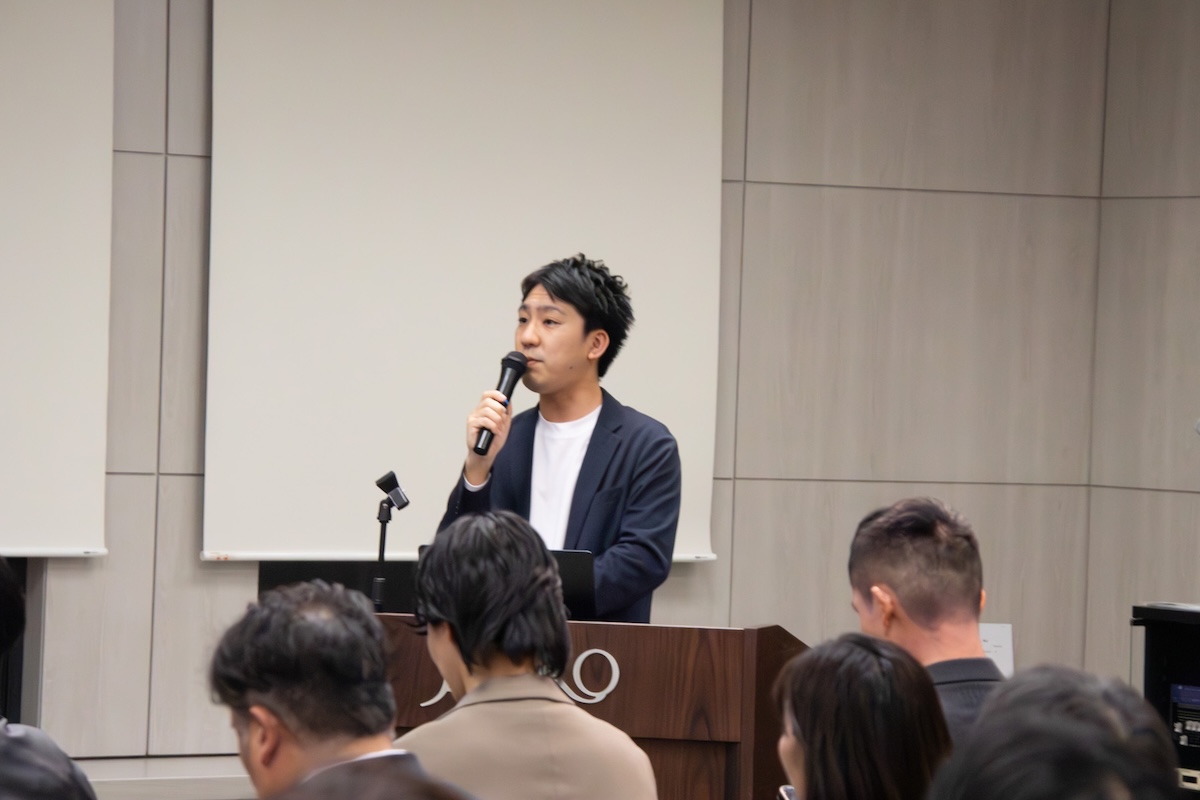
At the opening, Ms. Erika Suzuki, in charge of JETRO's startup support, delivered the opening remarks.

The reason JETRO continuously hosts the Web3 Salon lies in the perceived need for cross-sectoral information sharing among startups, investors, and corporations within the Web3.0 domain.
Particularly, JETRO’s startup support is structured around three main pillars: 'Global Acceleration Hubs for individual mentoring', 'network introductions', 'sector and region-specific acceleration programs', and 'branding and network support through international exhibitions and conferences'. The emphasis was placed on building a 'startup-driven Japanese ecosystem', targeting not only Web3.0 but also AI and deep tech sectors.
Next, Hinza Asif, the representative of Asia Web3 Alliance Japan and Web3 Salon, spoke about their initiatives.
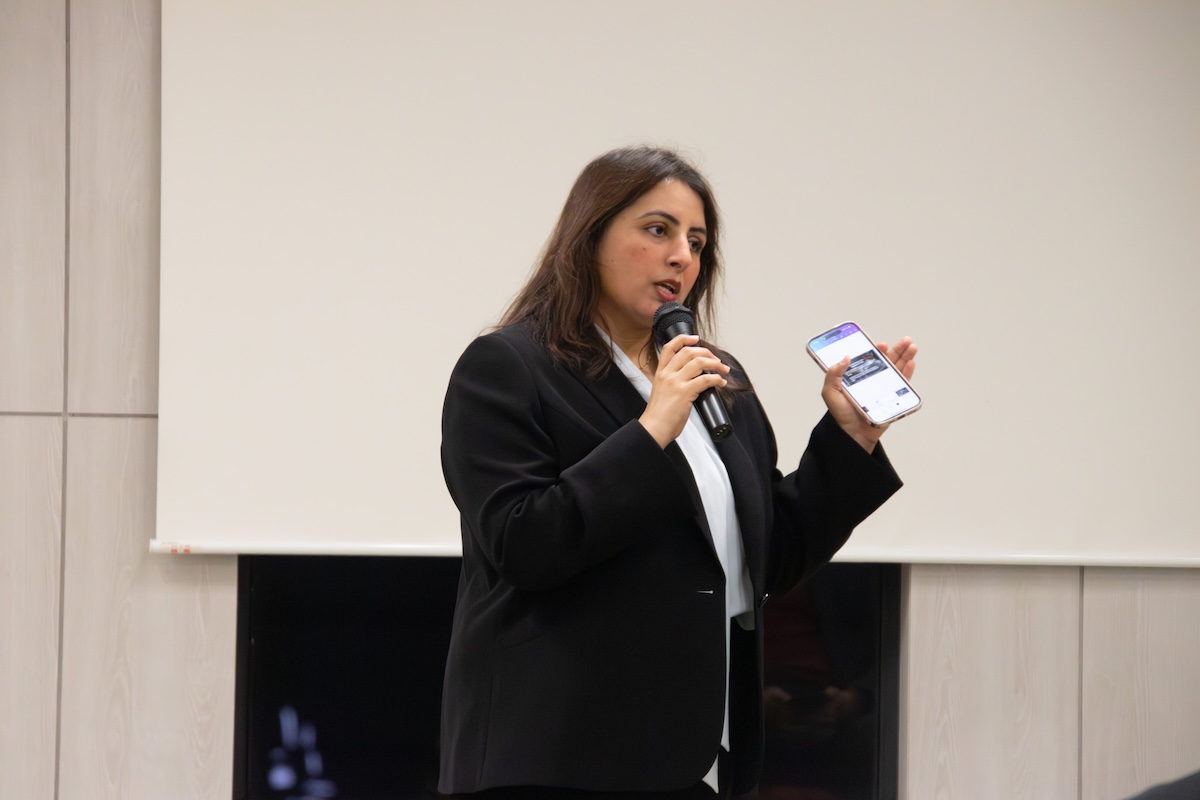
Since its full-scale launch in 2025, Web3 Salon has been supporting the growth and international expansion of Web3.0 startups, serving as a platform connecting startups with investors and partner companies.
As part of its 2025 initiatives, it first introduced a pavilion called 'Japan Hub' at 'TOKEN2049' held in Singapore, marking a first-time endeavor. Additionally, the partnership with Ripple and the personal and professional achievements of Asif were candidly discussed.
Particularly striking was the attitude of 'sharing not only successes but also failures.' Real stories of failures, such as being rejected by overseas accelerators and unanticipated challenges in international expansion, were shared, emphasizing the importance of continuing to challenge despite setbacks. This attitude reveals the sincere nature of Web3 Salon, which not only celebrates success but also learns from failures to expand into new areas of challenge.
During the middle of the event, a startup panel focusing on international expansion took place. The speakers were Mr. Ken Komatsu from GOLFIN, Mr. Junji Yoshimeki from MEC Labo, Mr. Yusuke Hirota from Laplace, and Mr. GOKI KATO from ANDLAW, all of whom have been advancing their businesses in Singapore and UAE.
The discussion highlighted that Singapore remains a hub for information and talent accumulation, yet there is a growing cautious stance in the Web3.0 and cryptocurrency sectors regarding regulations.
On the other hand, in UAE, there is room to co-create new financial rules in dialogue with regulatory authorities, and an increasingly favorable environment for piloting projects in RWA (Real World Assets) and DeFi sectors.
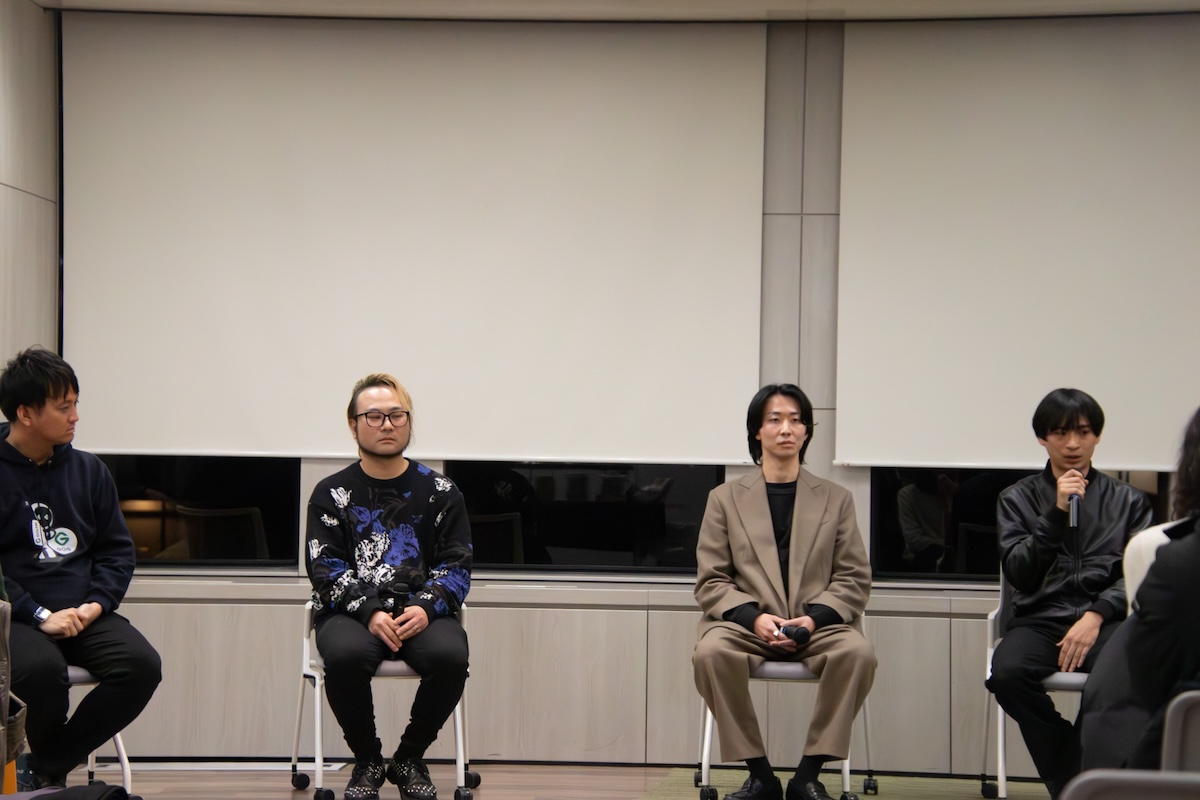
There were notable remarks from each speaker. Mr. Komatsu from GOLFIN shared his experience of hosting a golf tournament in Singapore related to TOKEN2049, where he rented a golf course, rumored to have membership fees around 100 million yen, for a day and offered free participation—a bold move that initially was a significant cost burden.
However, this led to an expansive network from Singapore to the UK and the Middle East, and upon returning to Japan, the story of how he managed to rent such a venue itself became a hook, leading to investment and business collaboration opportunities.
Mr. Komatsu emphasized the importance of designing memorable experiences before even introducing the product overseas, viewing events not just as costs but as branding investments.
Furthermore, Mr. Yoshimeki from MEC Labo mentioned that his trip to Singapore was aimed not at fundraising but at branding and validation.
Large events like TOKEN2049 attract a diverse crowd including Web3.0 stakeholders, entertainment, investors, and family offices. The direct demonstration of their design and production capabilities and the candid feedback received were the greatest gains, leading to regular meetings initiated from TOKEN2049 activities after enhancing his LinkedIn and boosting English communications.
Mr. Yoshimeki also noted that the same self-introduction elicits completely different responses before and after visiting abroad, highlighting how exposure can raise the initial trust level.
Mr. Hirota from Laplace discussed the challenges of fundraising and market discovery in UAE, where VCs demand globally competitive returns more stringently than in Japan, expecting one in a hundred investments to yield several hundredfold returns.
Thus, pitches must quickly explain why the project will scale in the future and why it needs to be based in UAE, beyond just technological superiority.
On the other hand, one distinctive characteristic of the UAE market is that projects able to clearly articulate how they contribute to Dubai tend to be evaluated more favorably. At Laplace, the team is proactively engaging in dialogue with local regulators, conducting lobbying efforts to convey startup needs and advocate for regulatory development.
By sourcing real estate assets from around the world and positioning them in a way that contributes to the UAE’s broader growth strategy, Laplace has highlighted this global-to-local value proposition as one of its unique strengths.
Lastly, Mr. GOKI from ANDLAW introduced a perspective for comparing Singapore and UAE, breaking down the market into five elements: people, money, goods, information, and regulations. The strategy of not relying on a single country for all needs—hiring from Southeast Asia, funding from UAE or Singapore, and gathering information at global events—is crucial.
Especially emphasized was the proximity to regulatory authorities in UAE. In the fields of DeFi and finance, there is room to co-create new frameworks in dialogue with regulators, a significant difference from Japan.
'Success abroad requires a deep understanding of local culture, religion, and legal systems, more so than English proficiency or a superficial global sense.'
This statement resonated deeply with many attendees.
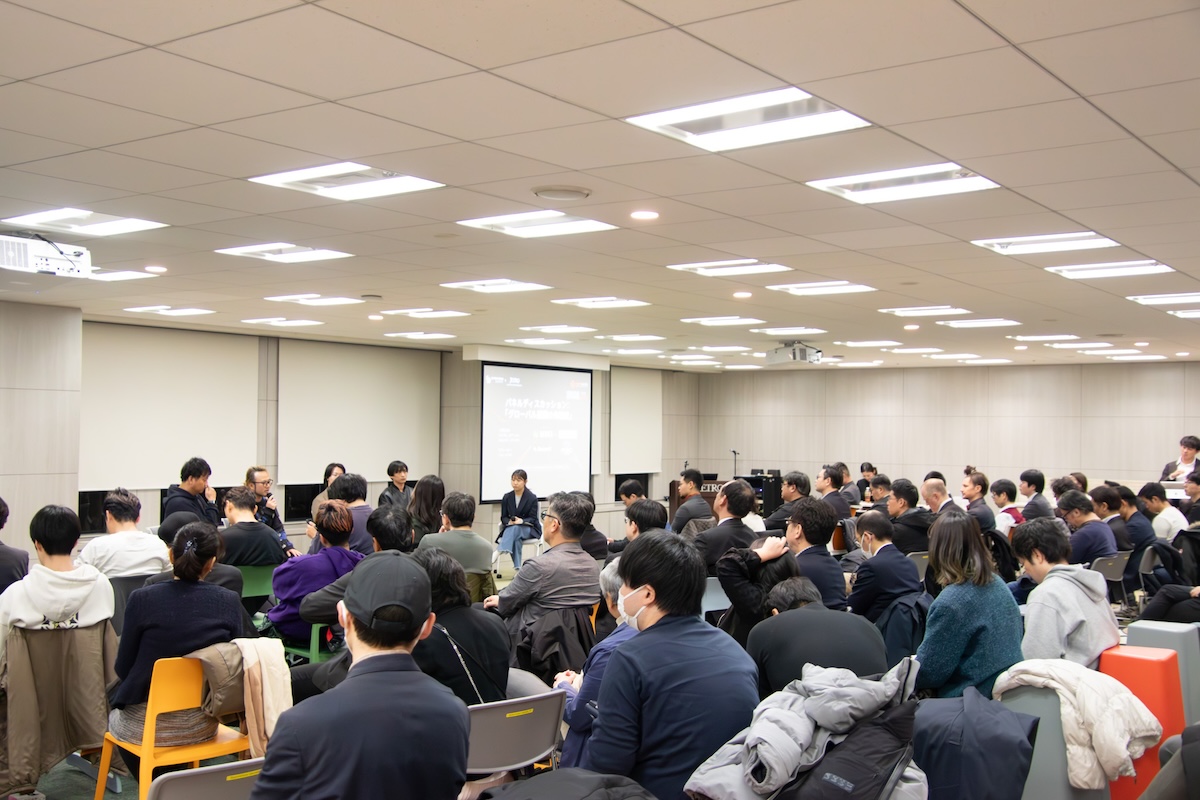
This session candidly discussed the realities of global markets, such as the difficulty of fundraising and the differing levels of returns investors demand. Without clear answers to why a particular country and what value can be returned to it, neither funds nor partners can be secured. The importance of grounded strategic planning in international expansion was highlighted, beyond just its glamorous aspects.
In the latter part of the event, a presentation was given by Iolite and J-CAM, providers of the cryptocurrency lending service 'BitLending'. BitLending is an investment service that offers yields by depositing cryptocurrencies, and its security measures utilizing Fireblocks were highlighted.
In the final stages, the 'Japan Financial Infrastructure Innovation Program' was announced. This program is a multi-month innovation initiative aimed at creating Web3.0 projects in the DeFi and FinTech sectors originating from Japan, with a focus on regulatory compliance.
What sets it apart is its 'ecosystem-based' design, involving not just funding and mentoring, but also regulatory authorities, financial institutions, corporations, technology partners, and experts. Partners such as Ripple, Toyota Blockchain Lab, SMBC Nikko Securities, and Securitize are participating, with startups engaging in prototype development on the Ripple Mainnet.
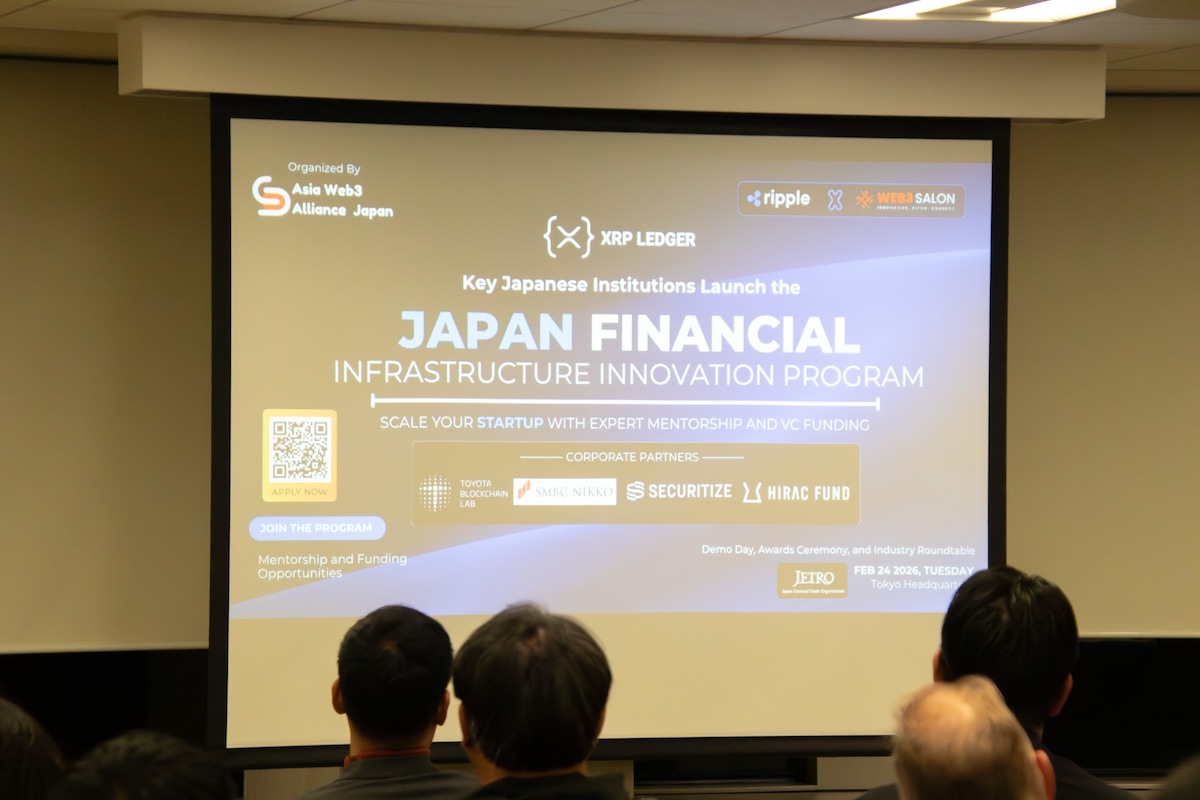
The key areas highlighted were stablecoins, next-generation payments, RWA tokenization, trade finance, and credit creation using digital assets. These are sectors within Japan's Web3.0 industry that are seen as having great potential, yet have been challenging to implement, making the demonstration of the intersection between regulation and technology significantly meaningful.
After the session, networking took place, with high-quality communication evident until the very end.
The year-end networking event hosted by Web3 Salon was not just a social gathering, but a venue that indicated the direction for Japan's Web3.0 to move into its next phase.
Challenging overseas markets while simultaneously rebuilding financial infrastructure in compliance with domestic regulations requires a dual approach. For this, co-creation that spans public-private sectors and crosses national borders is essential.
If 2025 was a year of 'challenges and trial and error', 2026 could be the year of 'implementation and collaboration'. The movements stemming from Web3 Salon could represent a practical solution for Japan's Web3.0 to transition from the 'conceptual phase' to the 'implementation phase'. The extent to which these discussions will translate into concrete projects and business creation remains a focal point.
Image: Iolite (Shogo Kurobe)
Japan's Promising Startups Converge at 'Web3 Salon – VC Connect' Event

