


1. A Significant Shift from 'Investment Target' to 'Financial Infrastructure'
The conference reported on the accelerating entry of institutional investors, with XRPL ranking in the global top 10 in the RWA (Real World Asset) tokenization market. Its practicality as the 'next-generation financial infrastructure' supporting payments and liquidity management was emphasized.
2. The Foundation of a New Economic Zone Brought by 'AI×Finance'
Looking ahead to a future economic zone where AI agents autonomously conduct transactions, XRPL and various stablecoins were discussed as potentially playing a crucial role as the 'financial layer (settlement infrastructure)' supporting these automated transactions.
3. Barriers to Full-Scale Implementation and Two Breakthroughs to Overcome Them
Regulations, security, and competition with existing systems were identified as reasons why implementation in existing finance stops at PoC (Proof of Concept). It was concluded that 'accumulating practical use cases' and 'appropriate partner collaboration' are essential for advancing full-scale implementation.
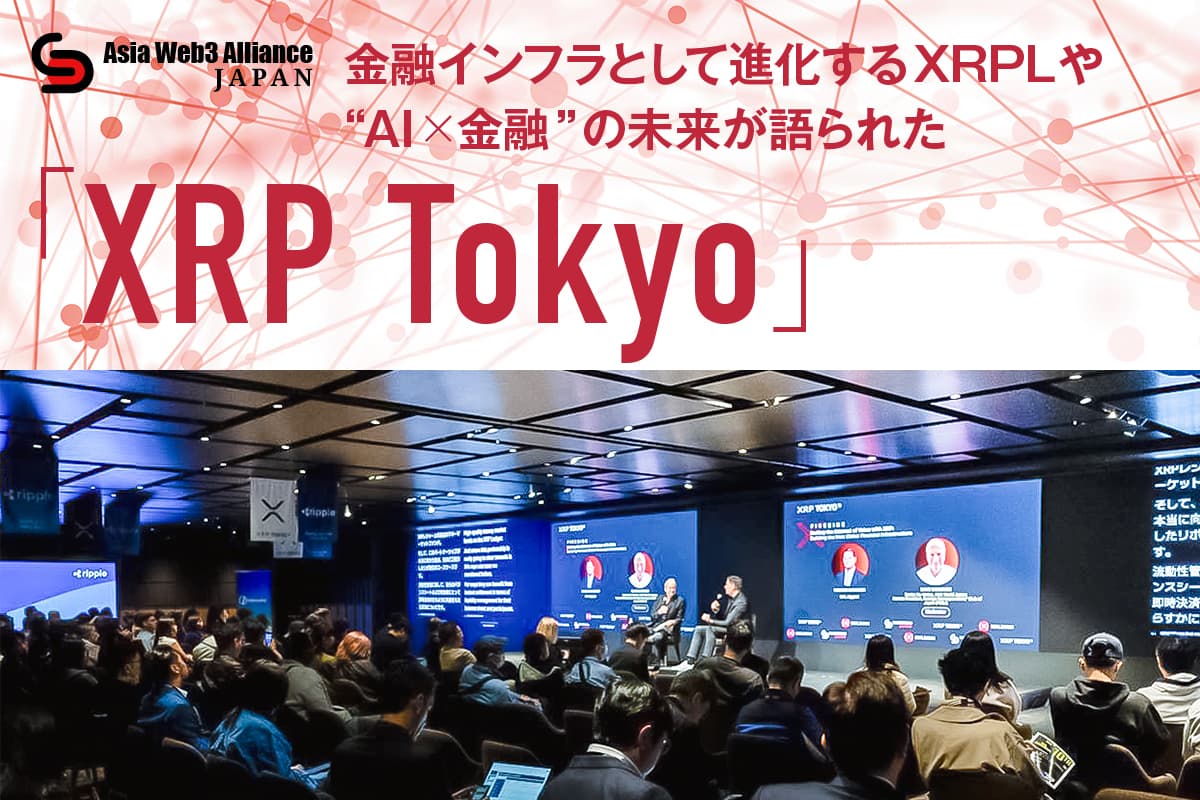
In April 2026, the specialized conference 'XRP Tokyo 2026' focused on the cryptocurrency XRP was held at Happo-en in Tokyo. The event was organized by 'XRPL Japan,' a community promoting the adoption and utilization of the public blockchain XRP Ledger (hereafter, XRPL) in Japan, with Asia Web3 Alliance Japan participating as a managing partner.
Positioned as Japan's largest XRP conference, it brought together companies, developers, and investors from both domestic and international spheres to discuss the evolution of financial infrastructure centered on XRPL and its application in the real world.
The event commenced with a greeting from Mai Furukawa of XRPL Japan. She expressed, 'There are many such events, but we didn't want this to be just another one. Despite being a small team, we have prepared with great energy,' receiving warm applause.
In a notable session, Marcus Infanger, Senior Vice President of RippleX, discussed the current status and future prospects of XRPL, as well as its use cases in financial institutions. Infanger first acknowledged the central role XRP has played in its adoption through regulatory development and early adoption. He then highlighted the use cases of XRPL in financial institutions, particularly in payments, liquidity management, and its growing use in the repo market.
He also pointed out that the practical application of financial infrastructure is accelerating through Ripple's initiatives in stablecoins like RLUSD and tokenization. Furthermore, he suggested the potential for constructing a new economic zone through integration with AI, indicating an expanding role for blockchain.
This session also left a strong impression with the statement, 'Cryptocurrencies are beginning to be recognized as financial infrastructure rather than just investment targets. As regulatory frameworks advance, the shift towards practicality is progressing.'
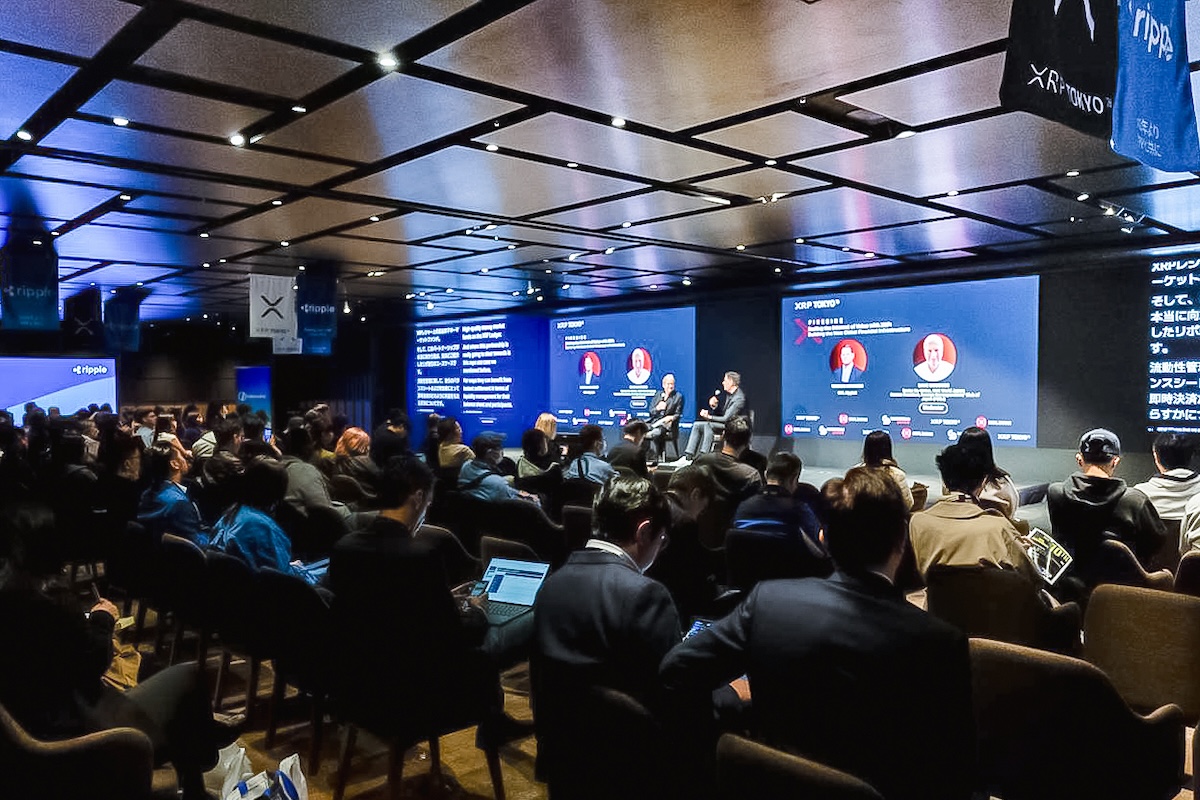
In another session, growth strategies for the ecosystem centered on XRPL were discussed. Christina Chan, Senior Director at Ripple, took the stage in this session.
Currently, the use of XRPL is expanding in the DeFi domain, and in the RWA domain, it has reached the top 10 in market size for tokens issued on blockchain used for tokenization, emphasizing the accelerating entry of institutional investors.
Additionally, she mentioned the potential for XRPL to become the financial foundation in anticipation of a new economic zone where AI agents conduct transactions, stating, 'We believe XRPL will become the financial layer of the AI agent economy.'
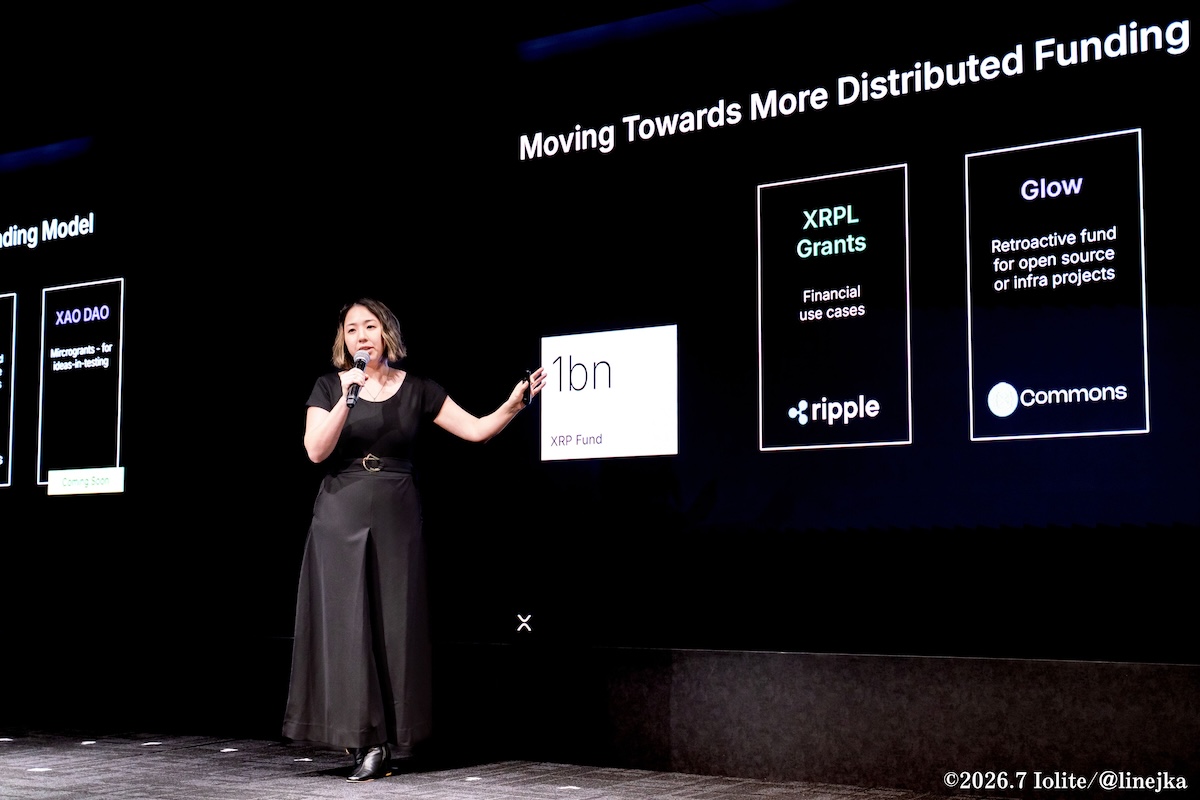
Looking ahead, the further promotion of XRPL utilization in the APAC region, including Japan, was indicated, along with the emphasis that ecosystem expansion contributes to the intrinsic value enhancement of XRP.
The evolution of financial infrastructure is epitomized by the discussions surrounding stablecoins. The event featured sessions on the proliferation of stablecoins.
In a session featuring Noritaka Okabe from JPYC, the issuer of the Japanese Yen stablecoin 'JPYC,' and Tomohiko Kondo from SBI VC Trade, which aims to handle RLUSD, it was highlighted that key factors for widespread adoption include wallet design, benefits for both users and merchants, and increased awareness.
Furthermore, the potential for the expansion of the AI agent economy to drive demand for stablecoins was discussed, alongside the rapid development of payment infrastructure.
Additionally, the importance of yen-denominated stablecoins in the Japanese market was emphasized from the perspectives of regulation and currency sovereignty, drawing attention to the future development of the ecosystem including XRP and RLUSD.
On the other hand, regarding the utilization of emerging technologies such as blockchain, while Proof of Concept (PoC) projects are increasing, there are cases where they do not reach full-scale implementation. Hiroshi Onozawa from GMO Aozora Bank and Tsuyoshi Makino from Fireblocks, a security platform provider, shared their views on why implementation is not progressing and potential 'breakthroughs' to accelerate it.
Reasons cited for the lack of full-scale implementation in existing finance include 'unclear necessity,' 'competition with existing systems,' and 'ambiguity of responsibility.' Additionally, several speakers pointed out that security risks, regulations, and lack of experience are significant barriers.
From this situation, the need to 'accumulate practical use cases' and 'collaborate with appropriate partners' to open breakthroughs was particularly emphasized. Moreover, the potential for AI advancements to accelerate the transformation of financial infrastructure was mentioned, indicating a turning point towards the practical application of blockchain.
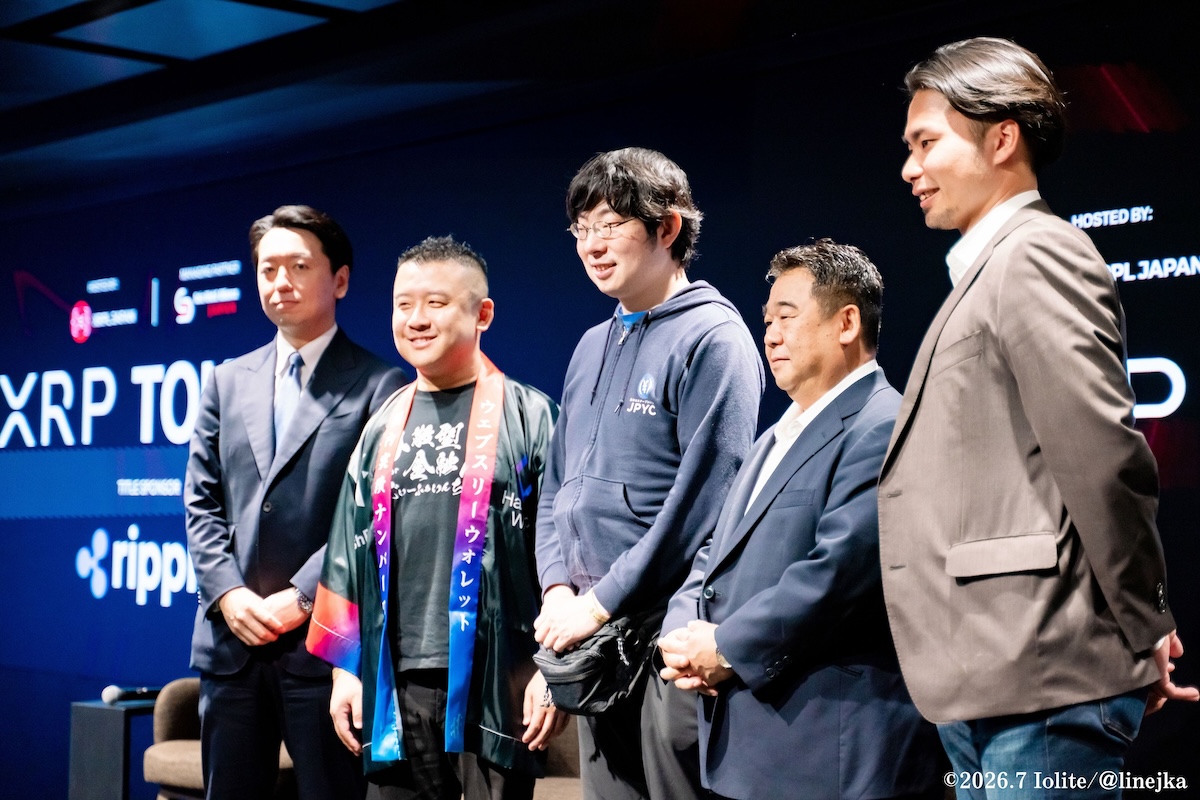
In addition, the utilization and challenges of Web3.0 both domestically and internationally were highlighted, with meaningful sessions conducted. It became clear that XRPL is expanding its presence into new financial areas such as the tokenization of RWA and DeFi.
Considering this background, the event served as a platform to showcase the current state of 'next-generation financial infrastructure,' strongly suggesting the potential for Japan-originated use cases to become global standards.

XRP TOKYO was established as a venue where the XRPL communities of Japan and the world can connect, facilitating exchanges in technology, business, and people. We believe that value is created not just from information, but from dialogue between people. Through this event, we hope that new encounters and discoveries will lead to the next wave of innovation.

As a managing partner, AWAJ was involved in the operation of 'XRP Tokyo,' bringing together key figures from banks, securities, payment operators, and regulatory authorities. Through institutional design, compliance, and implementation use cases related to blockchain, we aim to lead major corporations to fully adopt XRP and accelerate its implementation as part of Japan's financial infrastructure.
The Potential of Next-Generation Finance Highlighted at the 'Japan Financial Innovation Program'

